Which Rentals Perform Best In Cumberland County?
January 1, 2026
January 1, 2026
Thinking about buying a rental in Cumberland County but not sure which properties actually perform? You are not alone. With Fort Liberty shaping demand and constant PCS moves, the right strategy can feel complicated. In this guide, you will learn which rental types tend to work best here, where to focus your search, the key numbers to track, and the real-world risks to plan for. Let’s dive in.
Fort Liberty is the engine of the local rental market. Active-duty service members, civilian employees, contractors, and military families keep demand steady year-round, with leasing activity typically peaking in late spring through summer during PCS cycles. This seasonality matters when you plan renovations, marketing, and lease start dates.
Healthcare employers, education, retail, and logistics add secondary demand. Still, base staffing levels carry outsized influence compared with larger metros. Expect higher turnover in areas closest to the base, and budget for re-marketing, cleaning, and minor repairs more often.
Small multifamily and single-family rentals near main gates tend to experience lower vacancy because of consistent demand. Your underwriting should reflect both the strength of that demand and the higher turnover costs tied to military moves.
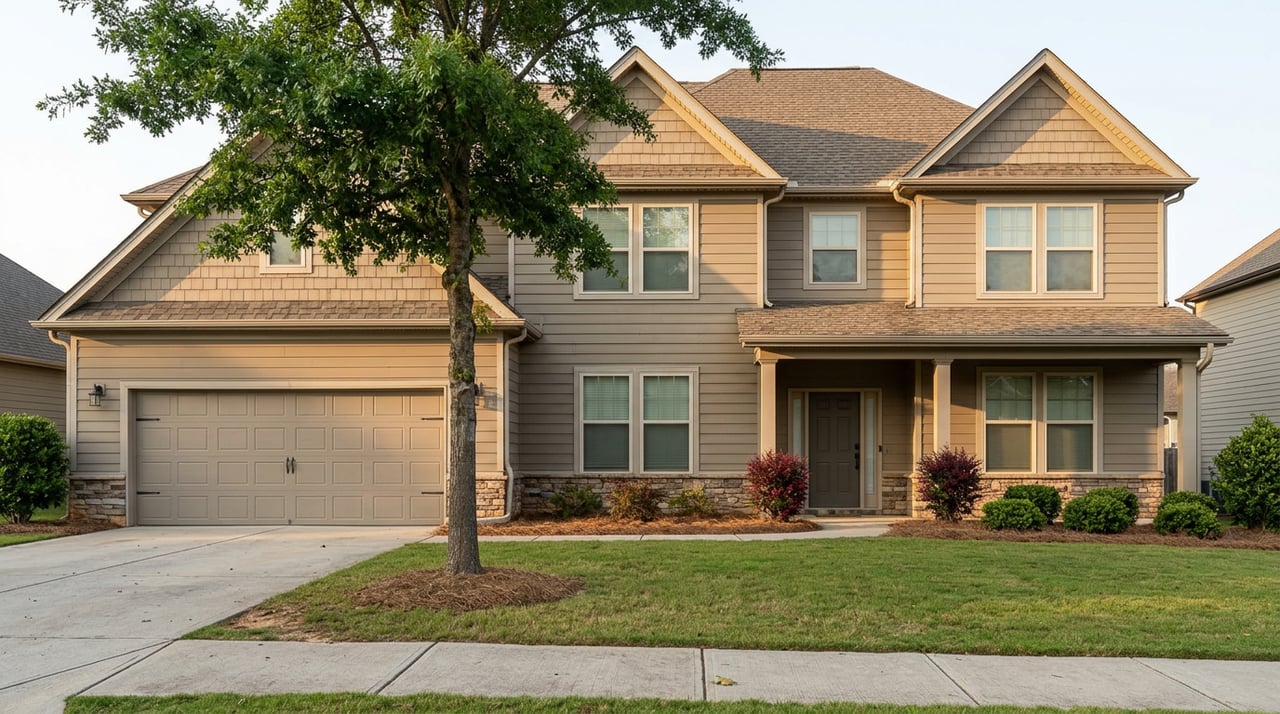
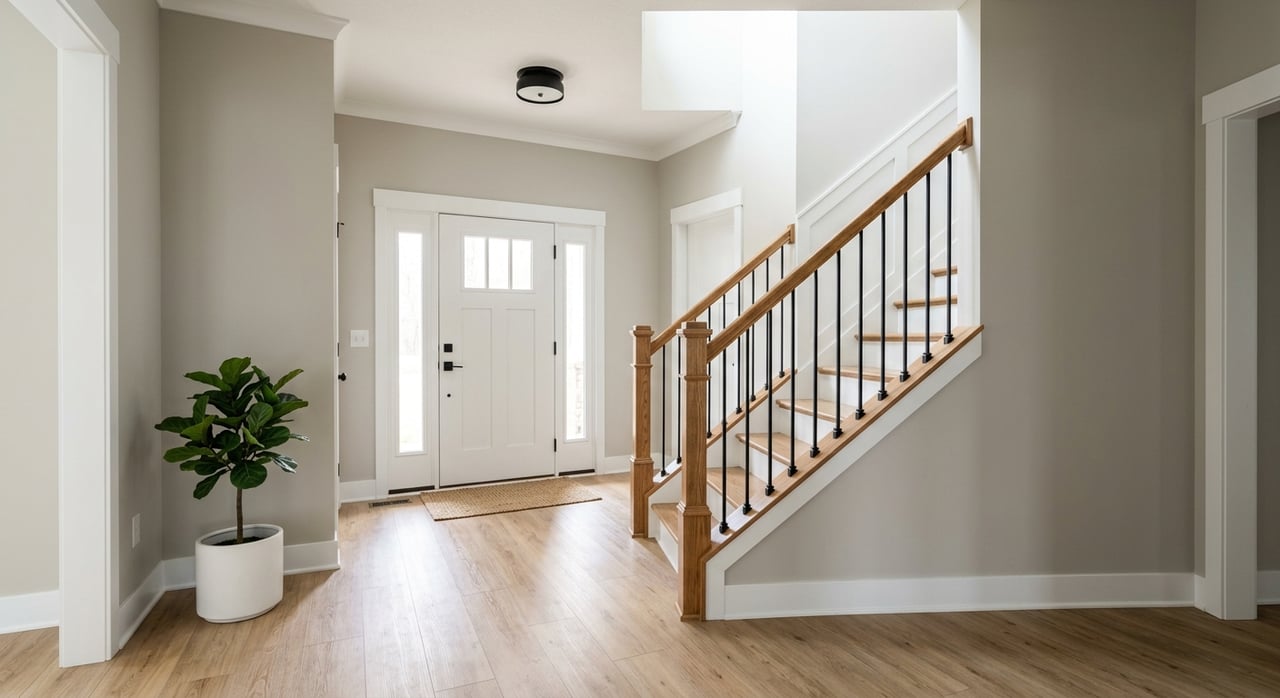
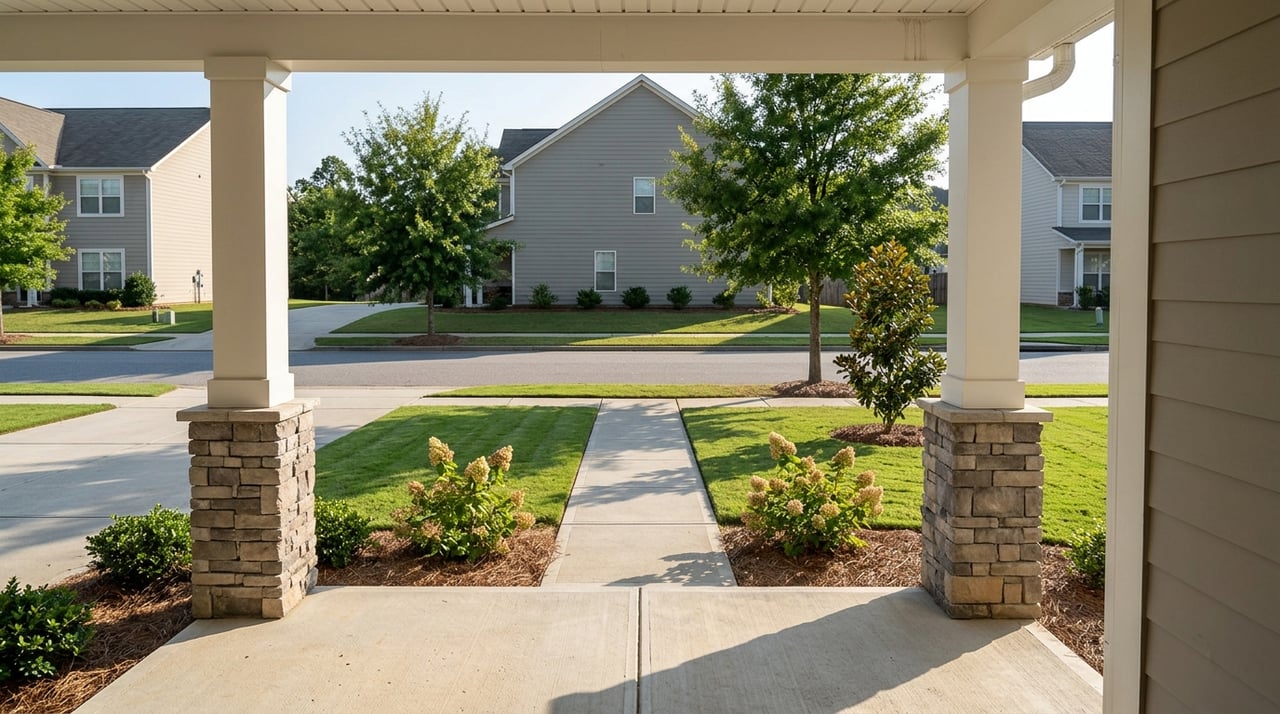
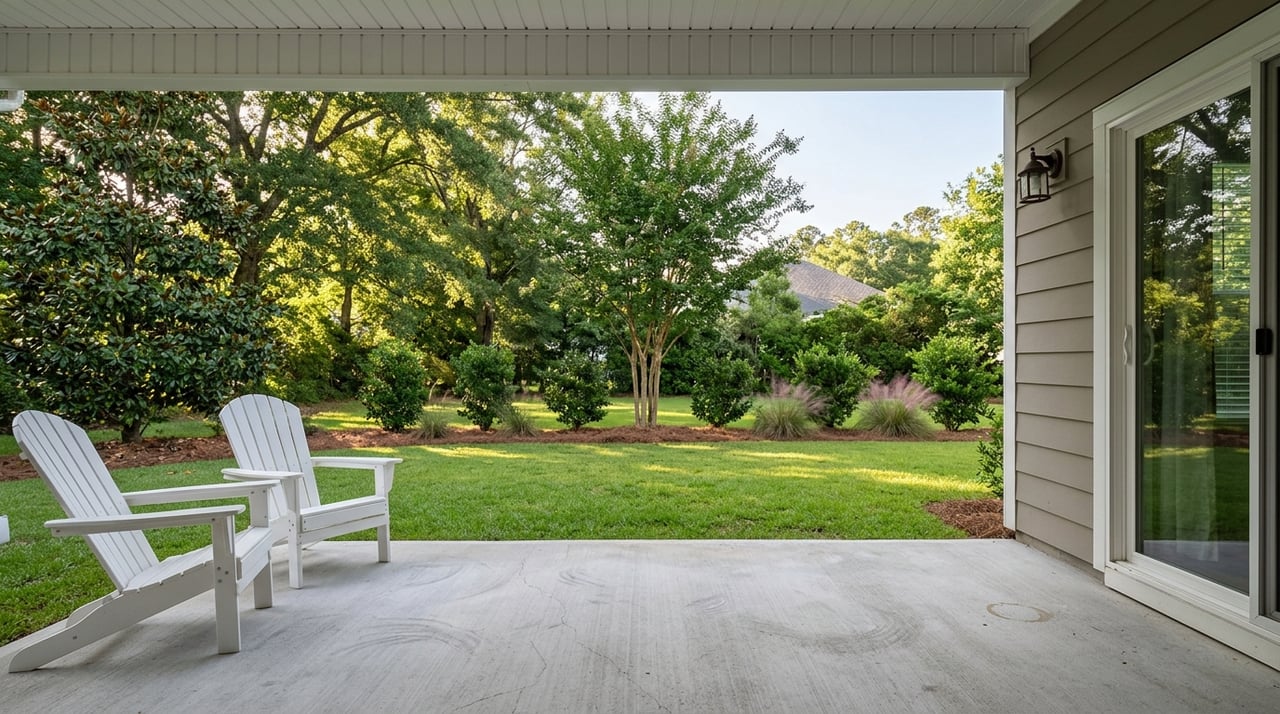
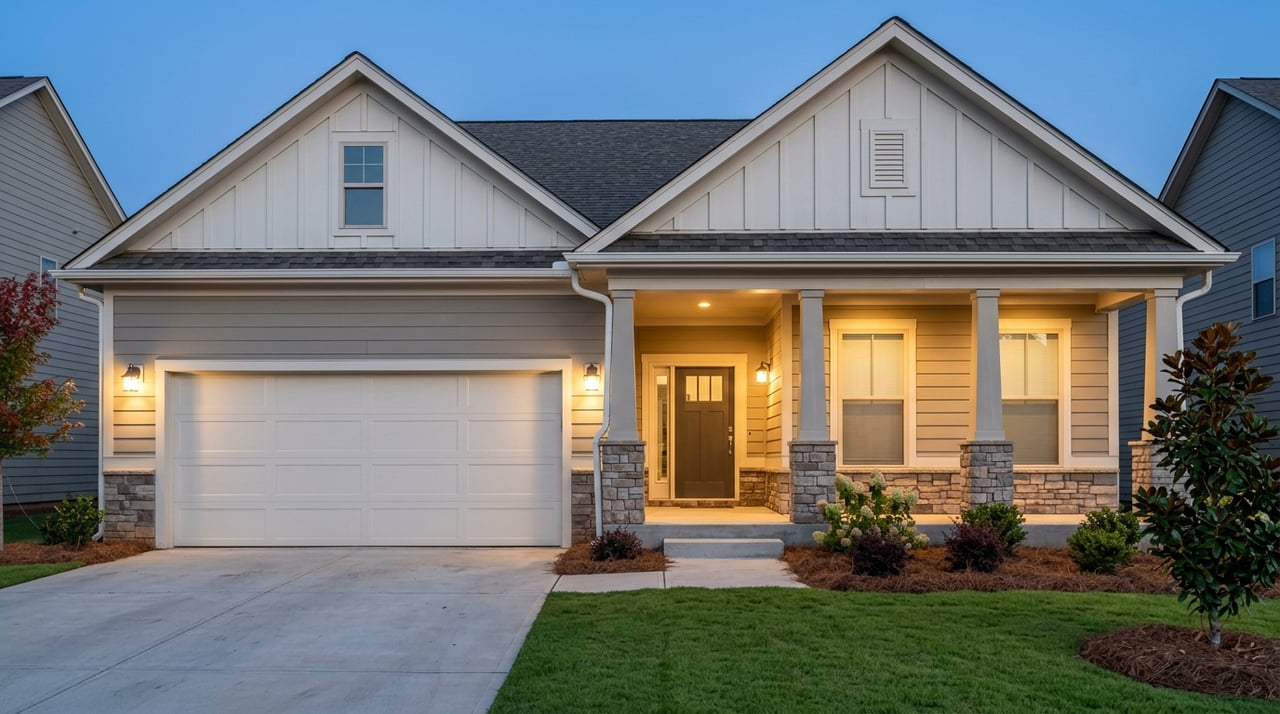
Single-family rentals in family-friendly neighborhoods within a short commute to the gates are a strong fit for military households. These homes often lease faster and command higher per-unit rents than comparable small multifamily. Yards, garages, and practical floor plans matter to tenants who move with household goods and pets.
On the flip side, SFRs carry per-door vacancy risk and longer repair timelines between tenants. You will want a plan for quick turns and reliable vendors. Many buy-and-hold investors choose SFRs for steady cash flow plus potential appreciation.
Duplexes, triplexes, and quadplexes in central Fayetteville and nearby towns like Hope Mills and Spring Lake can deliver balanced cash flow and manageable oversight. You benefit from shared systems, more efficient maintenance, and simpler rent collection across several units.
Lenders treat 5+ unit properties as commercial, so financing can be more complex. If you are comfortable managing multiple tenants and want economies of scale, small multifamily can offer attractive cap rates per dollar invested.
Townhomes and condos appeal to single professionals and mid-career renters who prioritize convenience and lower exterior maintenance. HOA coverage of certain exterior items can reduce your day-to-day workload.
Watch for HOA rental restrictions and monthly dues that affect net cash flow. Read HOA documents carefully and confirm rental caps or minimum lease terms before you buy.
Short-term rentals can work only in specific pockets and face regulatory uncertainty. They are typically not the strongest play in a military-dominant market. Purpose-built student housing is also niche because base-driven demand outweighs campus-driven demand here. If you pursue either, verify local ordinances and HOA rules first.
Commute time drives leasing speed. Properties within roughly 10 to 20 minutes of main gates often rent faster to military personnel. Identify which gate your likely tenant will use and map that commute during peak hours.
Proximity to Cape Fear Valley Health System, major employers, and retail corridors helps stabilize occupancy. Central Fayetteville and established suburban pockets tend to offer a consistent renter base and steady activity.
Parts of Cumberland County include flood plains. Flood insurance can change your math, so confirm flood status and premiums early. Also track where new apartments are delivering, since heavy new supply can pressure rents and raise vacancies nearby.
Use this quick checklist before you offer:
Strong rentals in Cumberland County balance yield with dependable occupancy. Focus on these metrics:
Local property management for single-family and small multifamily commonly runs about 8 to 12 percent of collected rent for full service, with separate leasing fees. Maintenance reserves of 5 to 10 percent of rents are a baseline, and older homes may require more. Build in realistic turn costs given the higher frequency of military moves.
VA and FHA loans can help owner-occupants get in with lower down payments. Some investors buy a duplex, triplex, or fourplex and live in one unit to meet occupancy rules. Conventional loans typically require higher down payments for non-owner-occupied purchases. DSCR and portfolio loans are options if you prefer asset-based underwriting or plan to scale.
Work with lenders who know the Fort Liberty market. Ask about appraisal standards for small multifamily, reserves, and how they treat rental income from units with limited operating history. Confirm insurance early, especially if a property falls within a flood zone or requires higher liability coverage.
Turnover speed is your profit lever. Plan for professional cleaning, quick paint and flooring refreshes, and pre-marketing during notice periods to reduce vacancy days. Align lease expirations with PCS season when possible.
Standardize finishes and vendors across units to simplify maintenance. Durable flooring, easy-care landscaping, and reliable appliances reduce headaches and help control costs over time.
Know your risks and how to respond:
You deserve a local advisor who understands military timelines and investor math. As a veteran-led boutique team, we help you define the right strategy, identify on- and off-market options, pressure-test the numbers, and navigate negotiations with discipline. Whether you are buying your first duplex or weighing a hold-versus-sell decision on a single-family rental, our one-to-one service and market insight will keep you a step ahead.
Ready to evaluate opportunities in Fayetteville, Hope Mills, Spring Lake, or Eastover? Connect with HIVE Realty Group by LPT Realty for a focused plan and next steps.
HIVE Realty Group by LPT Realty