PCSing to Fort Liberty and eyeing Hoke County? You are not alone. Many military families choose Hoke for its extra space, small-town feel, and access to post. The challenge is sorting out commutes, HOAs, rural tradeoffs, and timing your move with orders. This guide gives you a clear, practical playbook so you can choose the right home with confidence. Let’s dive in.
Where Hoke County fits for Fort Liberty
Hoke County sits just south of Cumberland County, home to Fort Liberty and Fayetteville. The county seat is Raeford, with a mix of small towns, new subdivisions, and rural acreage. Commute time depends on where you land in the county and which gate you use to access post.
Hoke often offers a value advantage compared to larger North Carolina markets. Many buyers find options that work well with BAH-based budgets. Exact pricing varies by proximity to main roads, lot size, age of the home, and neighborhood amenities. For current numbers, use a local MLS search with your agent and county sale records to compare recent activity.
If you want extra elbow room and a quieter pace without being too far from services, Hoke can be a strong fit. Just be sure to map drives to your specific work site on post and weigh that against your daily schedule.
Commute strategies from Hoke County
Expect a range of drive times depending on address, gate, time of day, and traffic. Some homes near main corridors will feel like a typical suburban commute, while deeper rural properties take longer.
Map your route like a pro
- Ask your gaining unit about recommended gates and peak patterns during in-processing.
- Test-drive routes from any prospective address to your assigned work site and to key Fort Liberty gates, such as All-American and Womack. Do this during realistic peak hours.
- Factor in gate queues. Morning and late afternoon peaks can shift your total travel time.
Peak-time tips
- Have two route plans. One may favor state routes; another might use county roads to avoid bottlenecks.
- Watch for seasonal impacts like summer roadwork or weather-related slowdowns.
- If carpooling, agree on a gate and departure window that fits everyone’s schedule.
Transportation options
Public transit coverage in Hoke County is limited. Most families rely on private vehicles. For official gate information and on-post updates, check the Fort Liberty installation housing office.
What you will find in Hoke County housing
Hoke County offers a wide range of property types. Your short list depends on your budget, commute preference, and how you want to live day to day.
Common home types
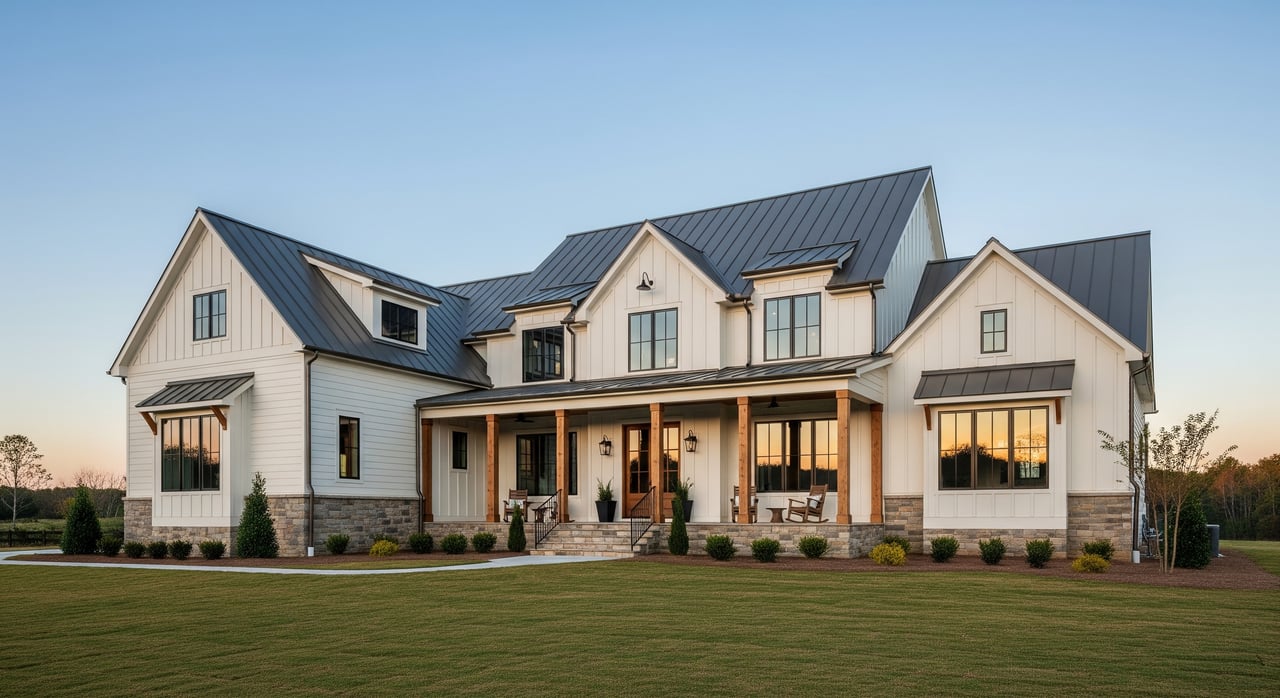
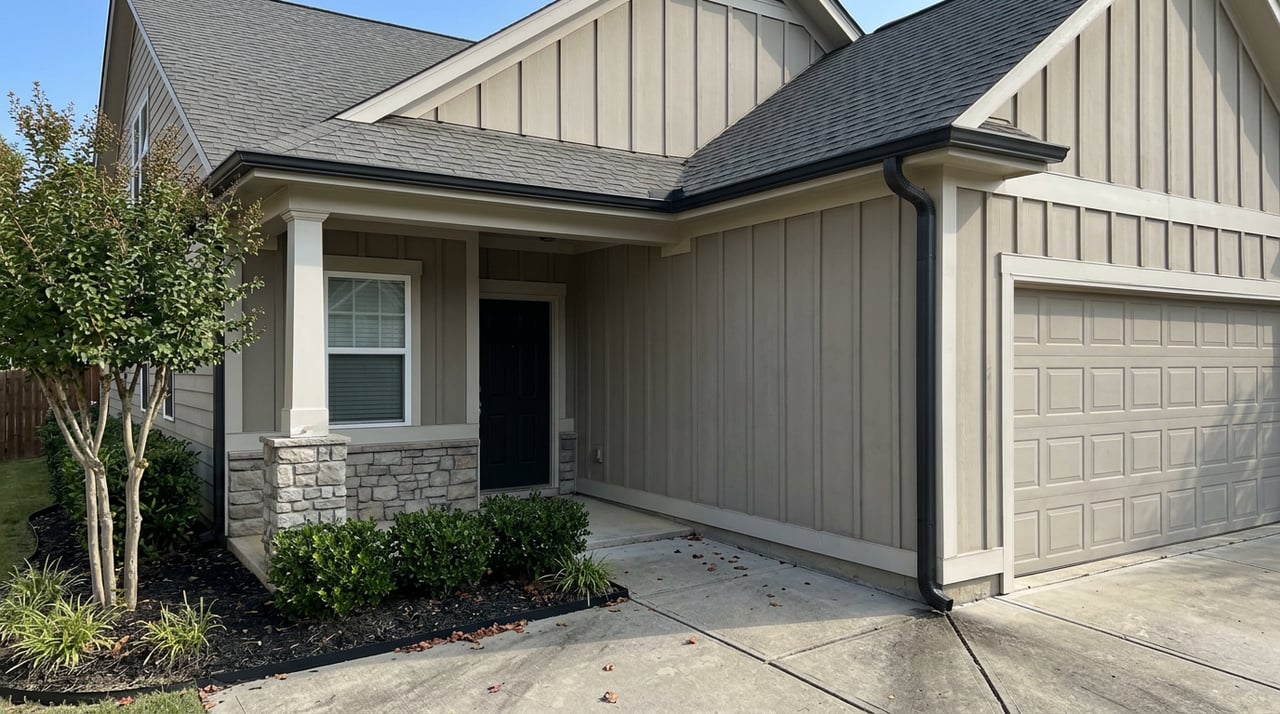
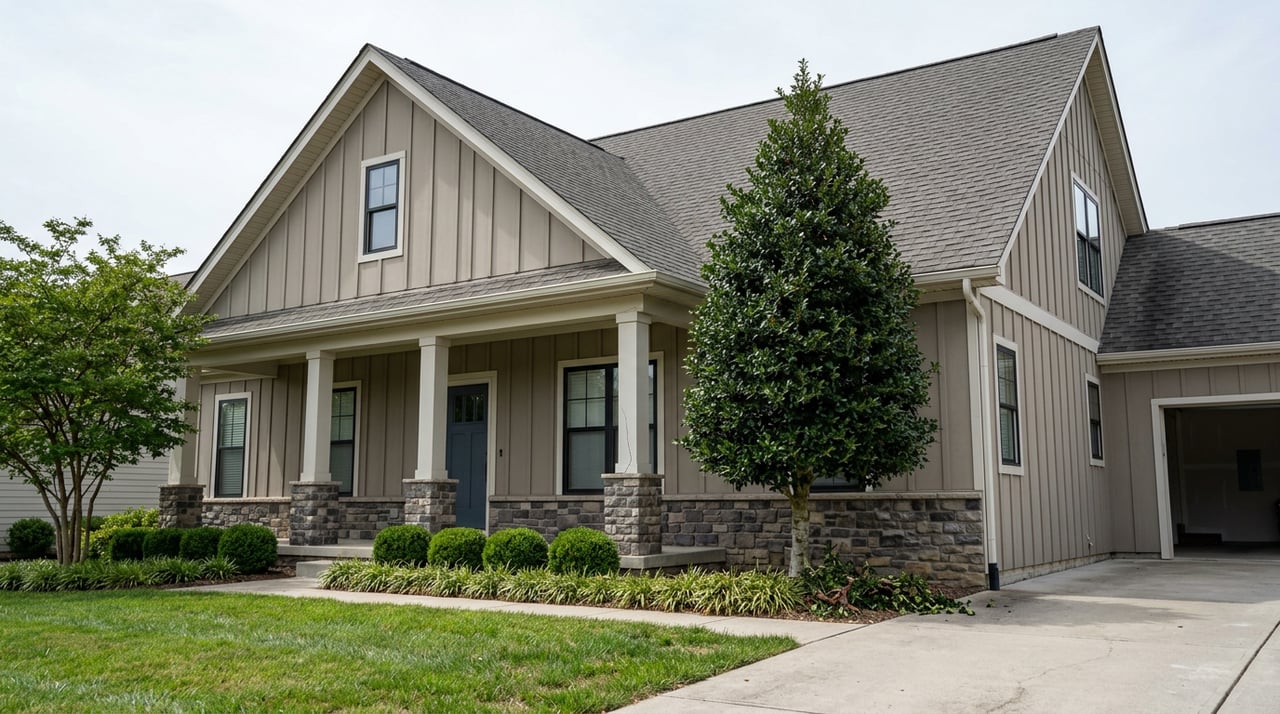
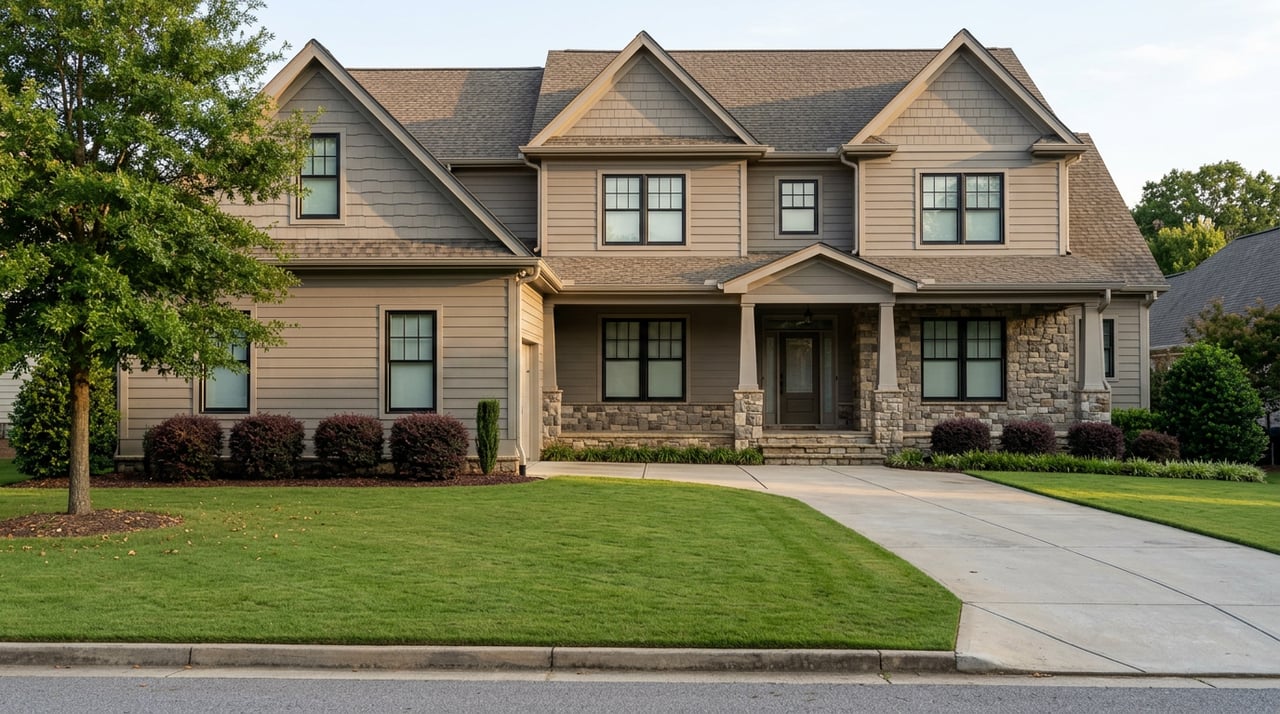
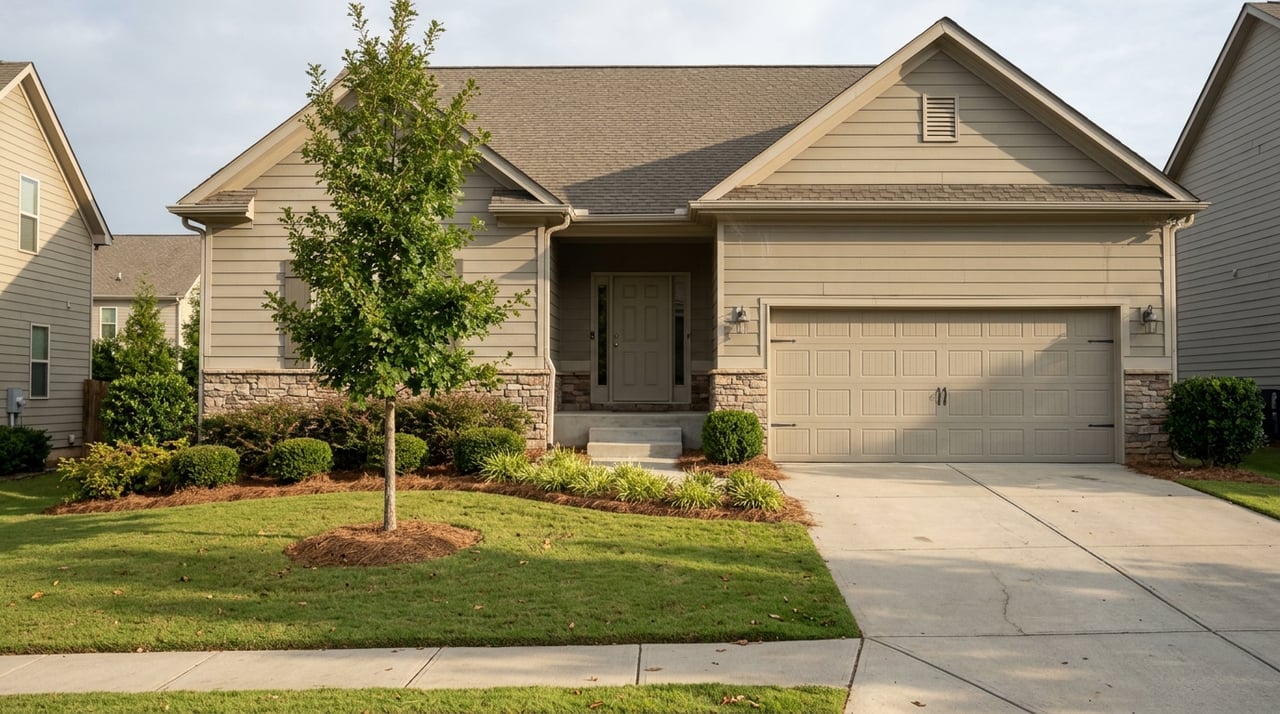
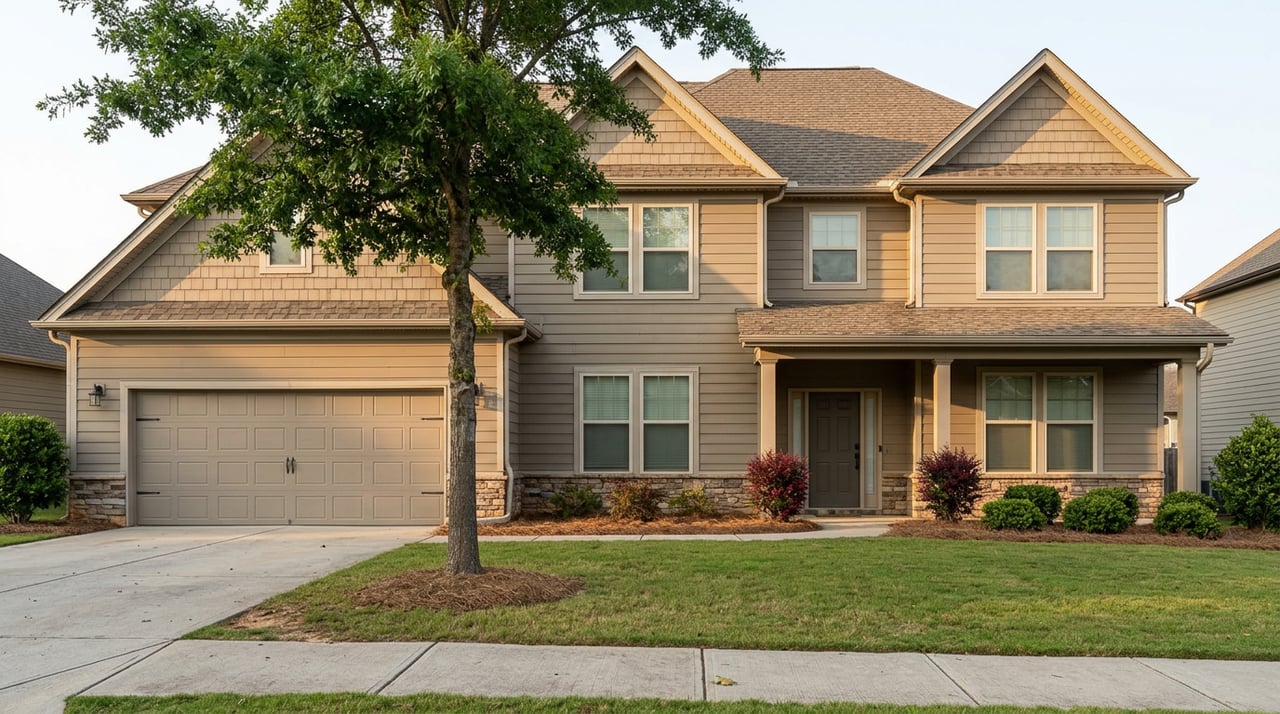
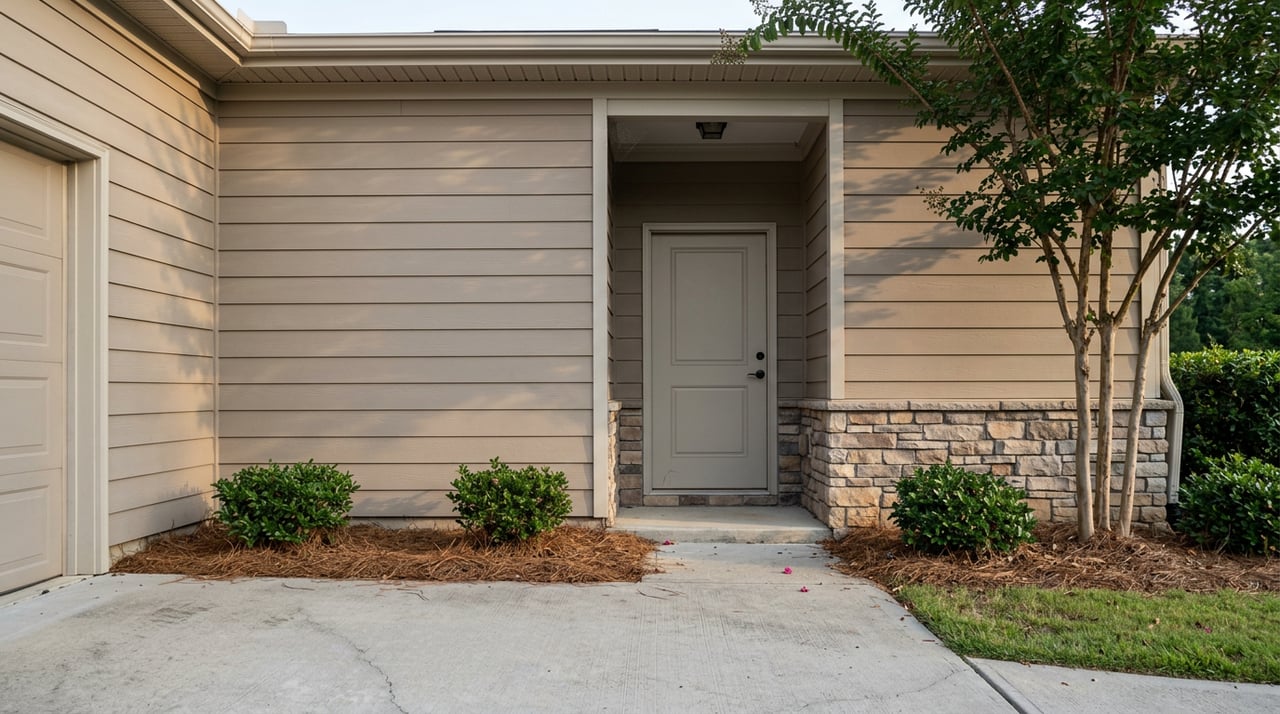
- Suburban single-family homes. Newer subdivisions near Raeford and main corridors, with 3 to 4 bedroom ranch or two-story floor plans and smaller yards.
- Older small-town homes. Brick ranches and mid-century builds in Raeford and nearby communities.
- Rural acreage and farm properties. Larger lots with more privacy and room for projects or recreation.
- Manufactured and modular homes. Typically lower entry price, but confirm park rules, financing, and insurance.
- New construction. Builders often cluster near main roads and utilities. These neighborhoods commonly include HOAs.
Condition and inspection focus
Older or rural properties may need closer review of major systems. Build these checks into your offer and due diligence:
- Septic and well: verify capacity, permits, service history, and water quality.
- Roof and HVAC: confirm age, service records, and remaining life.
- Drainage and floodplain: evaluate grading and any known water issues.
- Easements and road maintenance: confirm who maintains private roads and shared driveways.
HOA expectations in Hoke subdivisions
Many planned communities in Hoke have HOAs. The level of involvement varies by neighborhood.
- Minimal HOAs. Often cover common-area care and basic architectural guidelines.
- Active HOAs. May offer amenities like a pool or clubhouse, with stricter design controls and higher dues.
Before you commit, request and review:
- CC&Rs, bylaws, fee schedules, and enforcement policies.
- Financials and reserve studies to assess long-term health.
- Any transfer fees, rental rules, or short-term rental restrictions.
Rural vs suburban tradeoffs
Choosing between space and convenience is personal. Here is how to weigh it.
Rural living
- Benefits: more land, lower density, privacy, and potential for recreational or agricultural use.
- Considerations: longer commutes, fewer sidewalks and municipal services, possible well and septic systems, more upkeep, and limited broadband in some pockets.
- Zoning: rural parcels can be less restrictive, but always confirm local ordinances before planning outbuildings or a home-based business.
Suburban living
- Benefits: closer to services, generally shorter commutes, newer systems, and neighborhood amenities.
- Considerations: smaller lots, HOA rules, and potentially higher prices near main commuting corridors.
Insurance, utilities, and broadband
Plan ahead for the practical side of homeownership.
- Home insurance: discuss wind and hail coverage with your carrier. Rural properties may have different replacement-cost considerations.
- Utilities: subdivisions near towns often have municipal water and sewer. Rural homes often rely on well and septic. Confirm system age and maintenance.
- Broadband: availability varies. Verify service options at each address and compare speeds from cable, fiber, DSL, or fixed wireless providers.
- Property records and taxes: the Hoke County government website is a helpful starting point for parcel and tax information.
PCS timing, financing, and logistics
The earlier you start, the smoother your move.
- Start early. Many families begin 60 to 120 days out, based on orders and BAH start dates.
- Use virtual tools. Video walk-throughs and live tours help you shortlist homes before you arrive. Try to see the property in person before closing if possible.
- Temporary housing. Line up on-post transient lodging, hotels, or short-term rentals while you close or wait on household goods.
- Entitlements and counseling. For PCS policies and support, visit Military OneSource.
Align your budget and BAH
BAH depends on rank, dependent status, and duty location. Verify your exact rate with your finance office, then compare against local rents and mortgage estimates for your target neighborhoods. Your agent can help you sanity-check numbers against current listings and typical utility costs.
VA loans in this market
Many active-duty and veteran buyers use VA financing. A local VA-experienced lender can guide you through eligibility, the funding fee, and the appraisal process. Review official guidance on the VA home loan program.
Closing timelines in North Carolina
Typical closings run about 30 to 45 days depending on lender, inspections, and appraisal. If you are on a tight PCS schedule, tell your agent early so your offer and due diligence timelines match your report dates and household goods delivery.
On-post housing and waitlists
Some families choose on-post living during house hunting or long-term. Fort Liberty’s privatized housing is managed through the installation’s provider and housing office. Contact the Fort Liberty installation housing office for current availability, waitlist steps, and transient-lodging options. BAH policies differ when you live in government housing, and BAH is often not paid in that scenario. Confirm details with the housing office before you decide.
Schools, healthcare, and daily life
Hoke County Schools serve most addresses in the county. Assignments are address-based and bus routes vary by area. Families should verify boundaries, enrollment requirements, and transportation directly with Hoke County Schools before registering.
For healthcare, you will find primary and urgent care options in Raeford and a broader range of specialty care and hospitals in Fayetteville. When comparing neighborhoods, check provider availability for your family and any special medical needs.
For shopping and services, Raeford covers daily essentials. For larger retail and specialty options, many families shop in Fayetteville. If you enjoy the outdoors, rural parts of Hoke offer room for hobbies like gardening and weekend projects, and day trips to the coast are doable with some planning.
PCS buyer checklist for Hoke County
- Verify your duty address and assigned unit. Map drives to your work site and preferred gates.
- Confirm BAH and compare to current local rents and mortgage estimates with your agent.
- Choose a local agent experienced with military relocations and Hoke neighborhoods.
- Request HOA documents early for any subdivision home.
- Order inspections for septic and well, plus roof, HVAC, and pest on rural properties.
- Confirm school assignments with Hoke County Schools before enrollment.
- Plan temporary lodging and coordinate your household goods timeline with closing.
Choosing where to live is a mission you do not have to run alone. With veteran-led guidance, neighborhood insight, and disciplined negotiation, you can land the right home on your timeline and budget. When you are ready to talk neighborhoods, routes, and a clear PCS plan, connect with HIVE Realty Group by LPT Realty.
FAQs
How long is the commute from Hoke County to Fort Liberty?
- Commute time varies widely by address, gate choice, and time of day, so test specific routes to your assigned work site during peak hours and factor in gate queues.
Is Hoke County more affordable than Fayetteville or on-post housing?
- Hoke County often offers a value advantage across many segments, but compare your BAH to current listings and on-post options to decide what fits your budget.
What should I know about HOAs in Hoke County subdivisions?
- Many newer communities have HOAs with varying rules and fees, so review CC&Rs, financials, and any rental restrictions before you make an offer.
Can I get reliable internet on a rural Hoke County property?
- Broadband options vary by address, so verify available providers and speeds in advance, especially if you need high bandwidth for work or school.
How long do North Carolina home closings take for VA buyers?
- Many transactions close in about 30 to 45 days, but timelines depend on lender, appraisal, and inspections, so coordinate early if you have tight PCS dates.
How do I start the on-post housing process at Fort Liberty?