Leave a Message

By providing your contact information to HIVE Realty Group by LPT Realty, your personal information will be processed in accordance with HIVE Realty Group by LPT Realty's Privacy Policy. By checking the box(es) below, you consent to receive communications regarding your real estate inquiries and related marketing and promotional updates in the manner selected by you. For SMS text messages, message frequency varies. Message and data rates may apply. You may opt out of receiving further communications from HIVE Realty Group by LPT Realty at any time. To opt out of receiving SMS text messages, reply STOP to unsubscribe.

Thank you for your message. We will be in touch with you shortly.

Single-Family vs Townhome In Cumberland County

February 5, 2026

Trying to choose between a single-family home and a townhome in Cumberland County? You’re not alone. With steady demand from Fort Liberty moves and a mix of urban and suburban neighborhoods, both options can make sense depending on your lifestyle and budget.

In this guide, you’ll learn the key differences in maintenance, privacy, HOA rules, financing, insurance, and resale potential. You’ll also get a simple checklist for touring homes and tips tailored to Cumberland County. Let’s dive in.

Single-family vs townhome at a glance

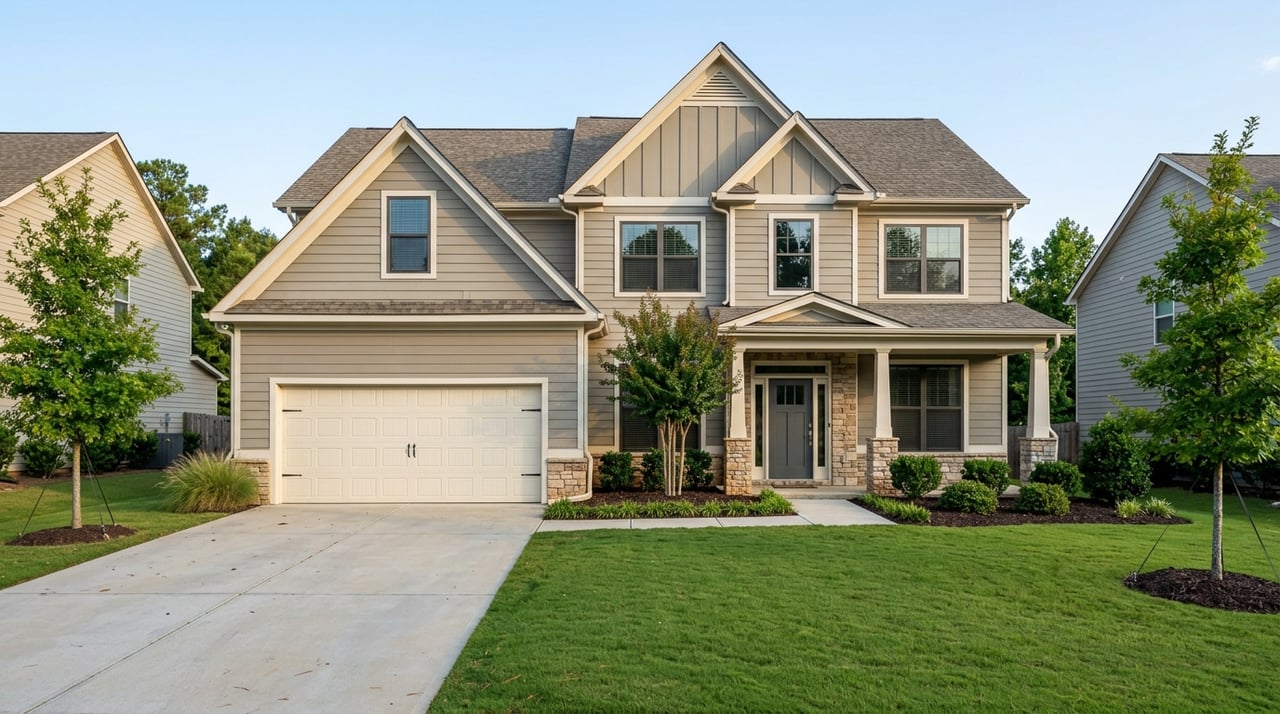
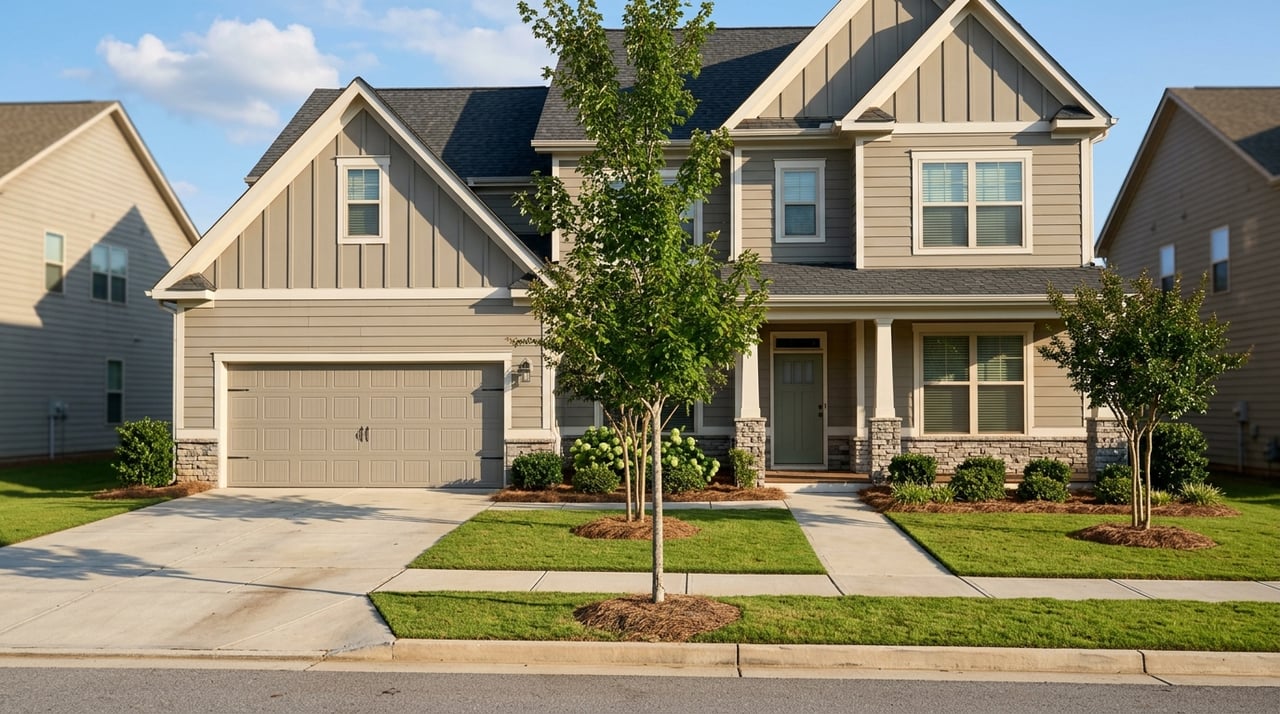
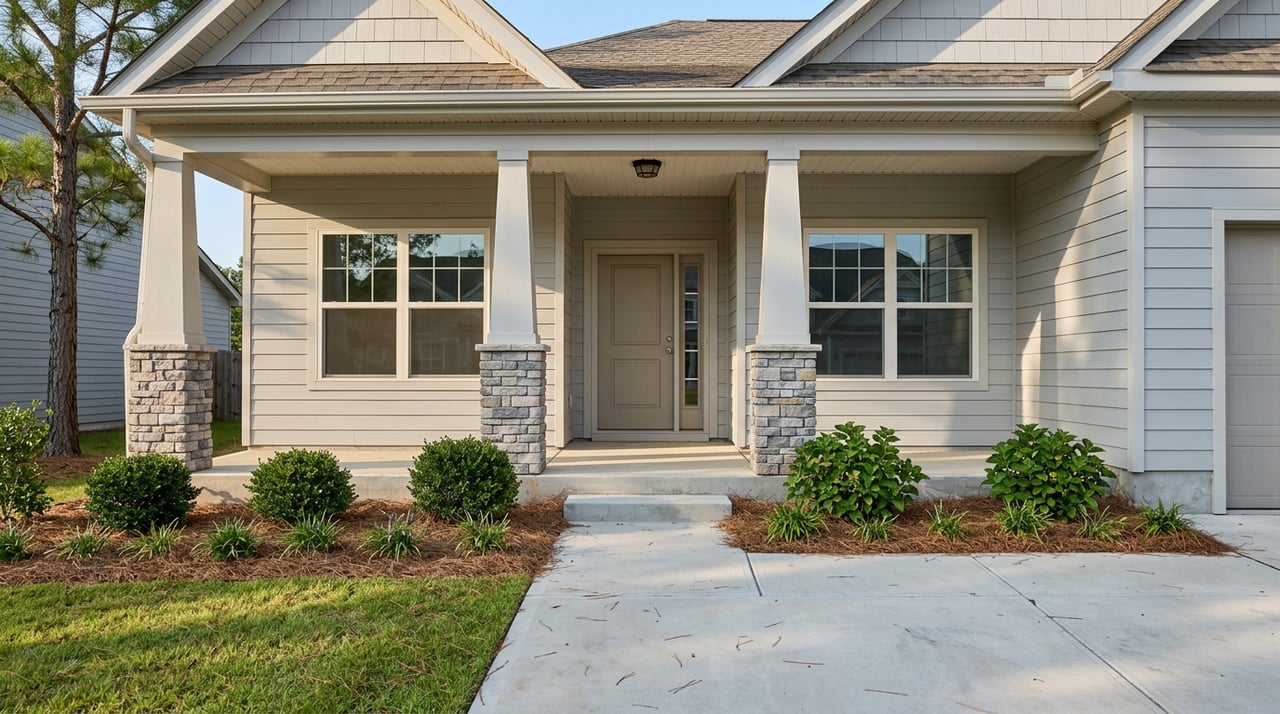
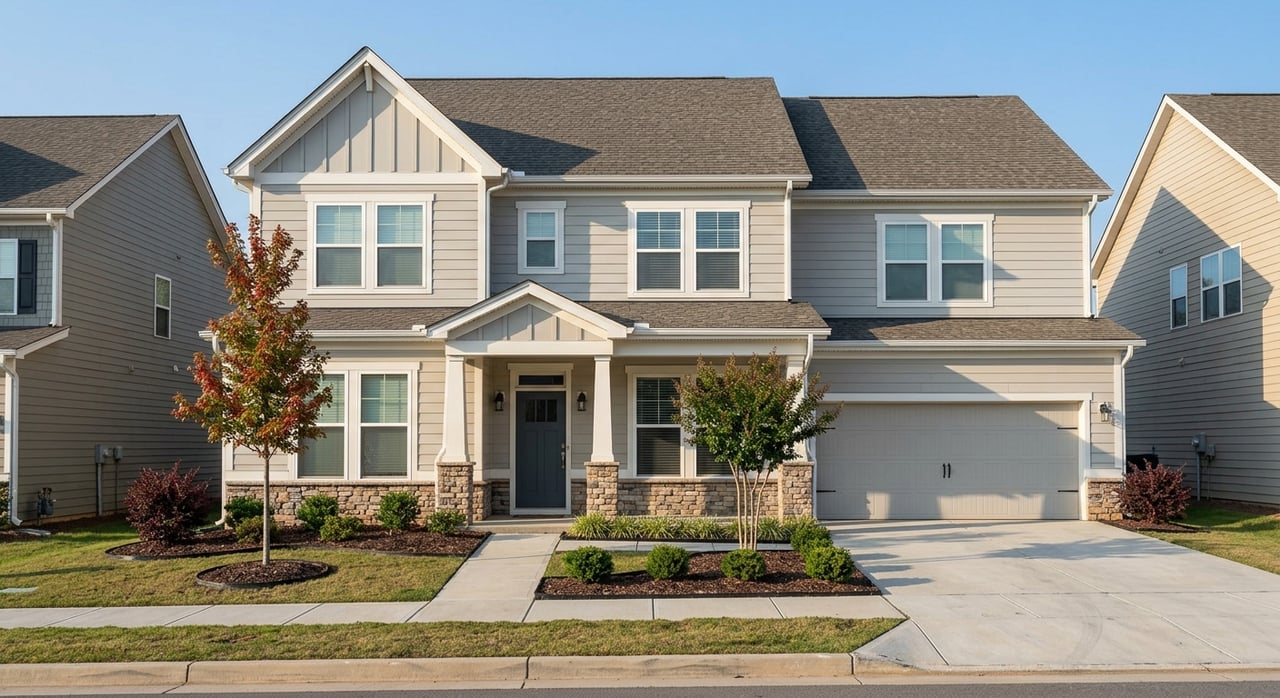
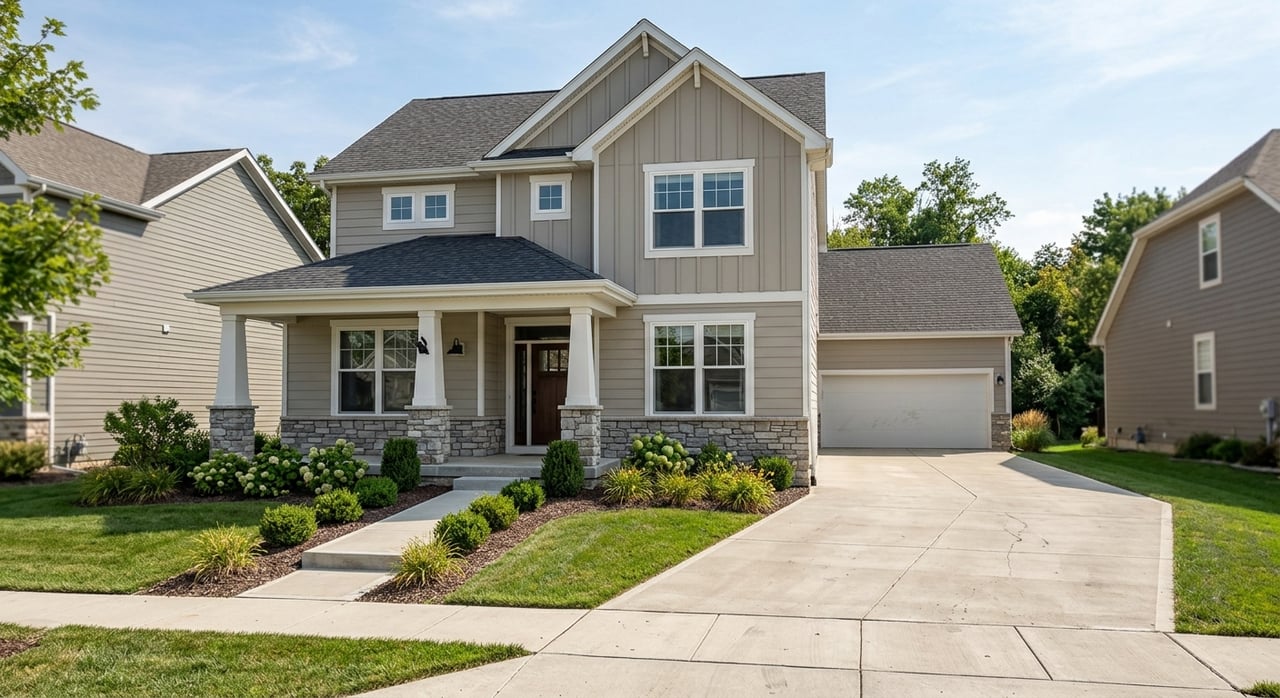
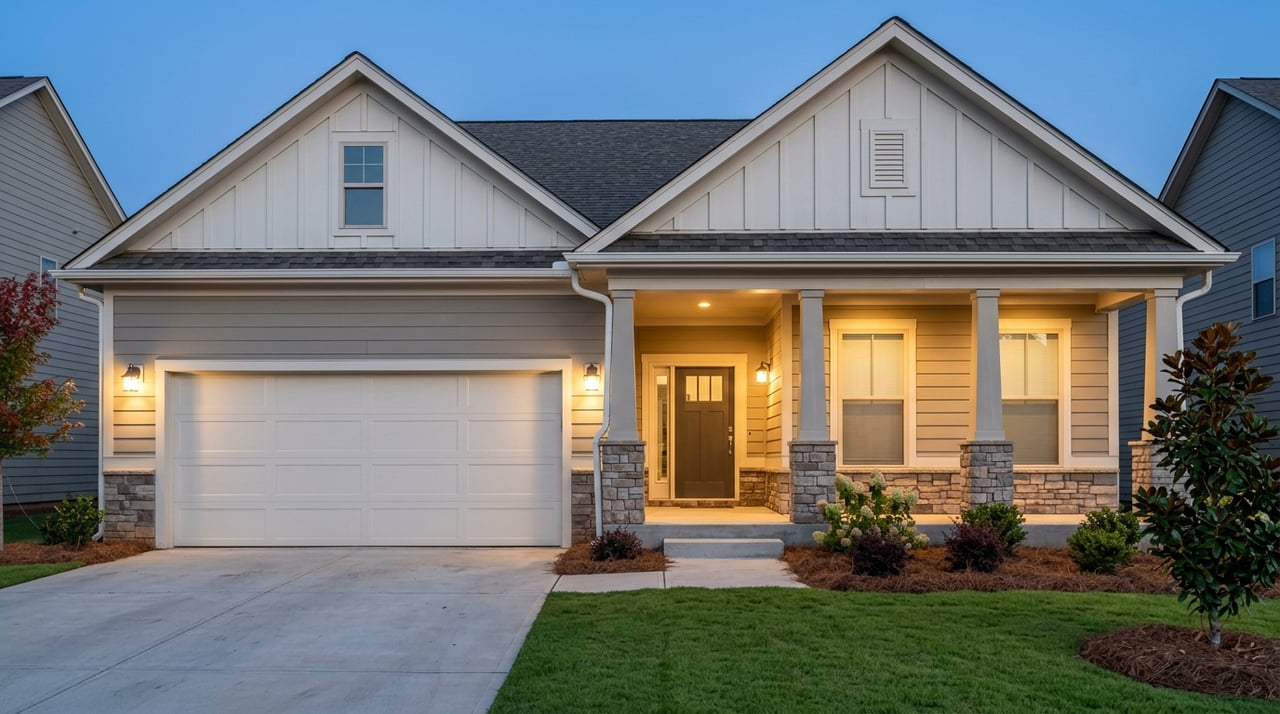
Single-family homes are detached properties on their own lots. You typically get more yard space, greater privacy, and more control over exterior changes.

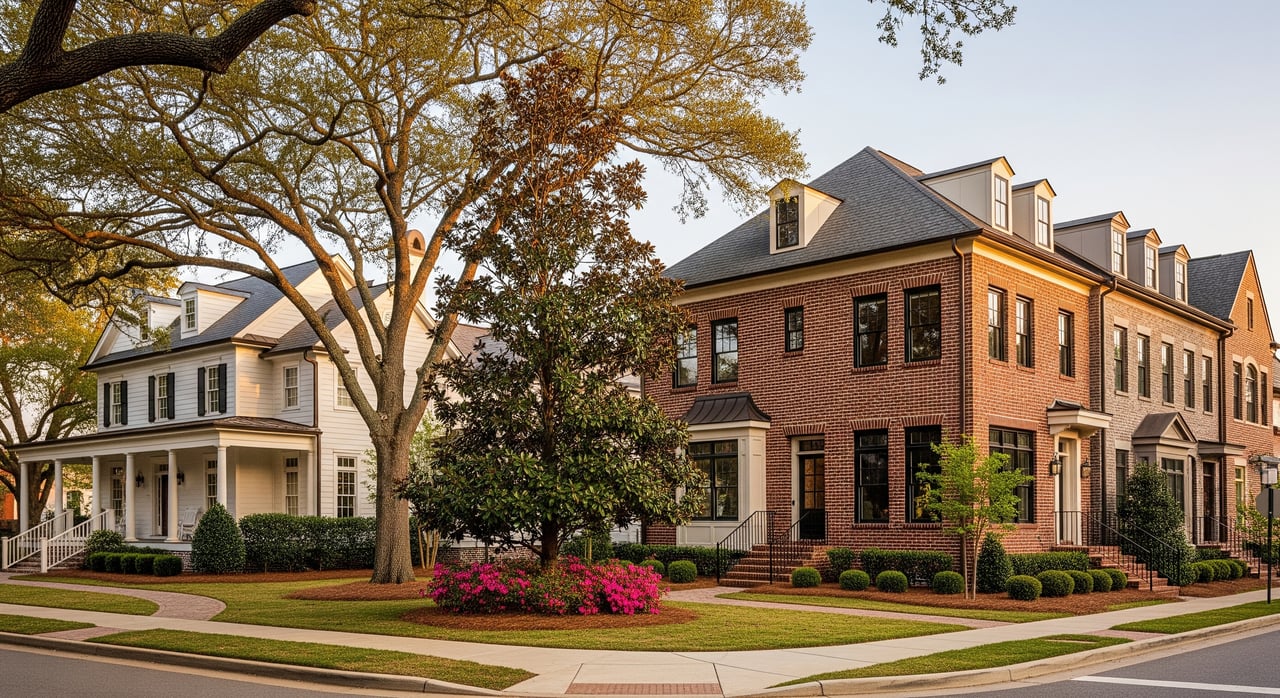
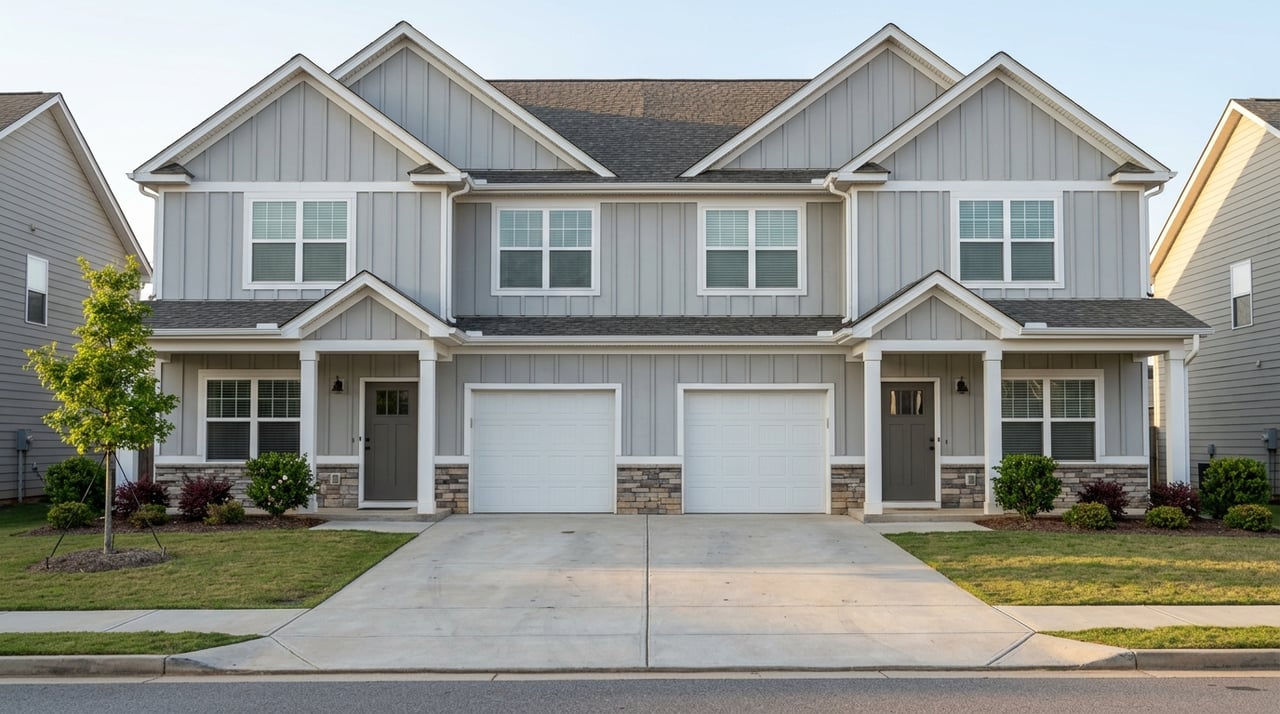
Townhomes are attached units that share one or more walls. Many come with a homeowners association (HOA) that handles exterior upkeep and common areas, which can reduce day-to-day maintenance.

In both cases, value depends on location, condition, and demand. In Cumberland County, proximity to major employers, schools, highways, and amenities plays a major role in pricing and resale.

Cumberland County factors to weigh

  • Fort Liberty drives consistent relocation activity and rental demand, which can support both owner-occupants and investors.
  • Submarkets vary. Central Fayetteville offers convenient access to urban amenities, while areas like Hope Mills, Spring Lake, and Eastover often feature different community layouts and price points.
  • School zones can influence buyer interest. Keep school references neutral and focus on commute, amenities, and your needs.
  • For current trends and pricing, review local Realtor market stats, such as the Fayetteville Regional Association of Realtors, and confirm recent comparable sales before you write an offer.

Lifestyle and maintenance differences

A single-family home gives you freedom to add features like a shed, garden, or fence, subject to local zoning and any HOA rules. You also have more space for outdoor activities and storage.

A townhome with an HOA often includes landscaping, exterior maintenance, and upkeep of common areas. Responsibilities vary by community, so always verify what is covered and what remains yours.

Privacy and noise

Single-family homes offer more separation from neighbors. You’ll have fewer shared walls and better buffers for outdoor space.

Townhomes share walls, which can increase noise transfer. Construction quality and neighbor behavior matter. During showings, notice sound levels and traffic patterns.

Parking and storage

Single-family homes often include a driveway, garage, and more room for tools and gear.

Townhomes may limit guest parking, have smaller garages, or assign spaces. Review HOA parking rules to avoid surprises.

Costs to compare

Your monthly costs depend on the property, not just the type. Compare these line items:

  • Property taxes. Taxes are based on assessed value and local rates. Townhomes are not taxed differently just because they are attached. Review the latest information from the Cumberland County Tax Administration.
  • HOA fees. Many townhomes have monthly fees that can cover exterior maintenance, reserves, and sometimes insurance for the building shell. Ask for a breakdown of exactly what is included.
  • Utilities. Smaller yards and HOA-covered services can reduce some costs, but multi-story townhomes may have different heating and cooling patterns. Request average utility bills when possible.

Insurance basics in North Carolina

Insurance depends on how the community is structured and what the HOA covers.

  • Single-family home: You’ll typically carry an HO-3 policy that covers the entire structure and your liability.
  • Townhome or condo: If the building operates as a condominium, the association usually has a master policy that covers the exterior and common elements. You would carry an HO-6 policy for interior elements, personal property, and liability. If it’s a townhome in a planned community, coverage can vary. Always get the master policy summary and clarify who covers the roof, exterior, and common areas.

Ask about the master policy deductible and whether special assessments have occurred for major claims.

Financing, VA/FHA, and project approvals

Most single-family homes qualify for a wide range of loan programs. Attached units can add extra steps.

  • VA and FHA loans: If a townhome is legally a condominium, the project may need to appear on the VA or FHA approval lists. Check the VA home loan resources and HUD’s FHA condominium resources.
  • Lender requirements: Some lenders have added rules for attached units, like reserve requirements or limits on the percentage of rental units. If you plan to use VA or FHA, confirm approval status early to avoid delays.

Military buyers often appreciate townhomes for their lower maintenance, but a non-approved condo can slow financing. Get clarity from your lender before you submit an offer.

HOA rules and legal protections to review

In North Carolina, planned communities and condominiums are governed by state law. If you are considering a home with an HOA, ask for these items during due diligence:

  • Covenants, Conditions & Restrictions (CC&Rs), bylaws, and rules
  • Current budget, recent financials, and any reserve study
  • Board meeting minutes and status of any special assessments
  • Rental caps, parking rules, pet policies, and architectural guidelines

To understand the legal framework, review North Carolina’s Planned Community Act (Chapter 47F) and Condominium Act (Chapter 47C) on the NC General Assembly site. For project-level questions or disputes, consult a local real estate attorney.

Resale and exit strategy in Cumberland County

Both single-family homes and townhomes can resell well when priced correctly. What matters most is location, condition, and buyer demand.

  • Single-family homes often draw a broad buyer pool, including families and long-term owners who value yard space and privacy.
  • Townhomes can be attractive to first-time buyers, downsizers, and military personnel who want lower maintenance and quick access to job centers. If rentals are allowed, investors may also be interested.

To gauge your exit options, follow these steps:

Touring checklist: single-family vs townhome

Use this list to compare apples to apples during showings:

  • Maintenance and condition

    • Single-family: roof age, HVAC and water heater age, window condition, grading and drainage, fence and driveway condition, septic or sewer status, termite history.
    • Townhome: who maintains the roof and exterior, what the HOA covers, unit boundary map, and any recent common-area repairs.
  • HOA health

    • Monthly fee and covered items, reserve balance or reserve study, upcoming capital projects, special assessment history, rental caps, guest parking rules, pet policies, and any pending litigation.
  • Insurance and financing

    • Master policy summary and deductible, recent claims, and VA/FHA approval status if needed. Confirm with your lender what documents are required.
  • Neighborhood and lifestyle

    • Noise levels, parking availability, commute time to Fort Liberty gates, proximity to groceries and services, and any known future development from county planning. For zoning and growth context, consult Cumberland County’s government site and its Planning & Inspections resources.
  • Taxes and utilities

    • Verify the parcel number, review the latest bill via the Tax Administration, and request average utility costs.

Which one is right for you?

Choose a single-family home if you want maximum control over your property, more privacy, and outdoor space for projects or pets. Expect more responsibility for maintenance and potential higher ongoing costs.

Choose a townhome if you prefer low maintenance and predictable HOA services. Make sure you understand the HOA’s financial health, community rules, and whether the project works for VA/FHA if you plan to use those programs.

If you are relocating for military service, a townhome can reduce upkeep during deployments or training cycles. If you plan to stay longer term and want room to grow, a single-family home may be the better fit.

Next steps

Your best decision comes from local knowledge and clean comparisons. We’ll help you evaluate neighborhoods, HOA documents, VA/FHA compatibility, and recent comps so you can move confidently.

Ready to talk through your plan or start touring? Reach out to HIVE Realty Group by LPT Realty for one-to-one guidance from a veteran-led team that understands Cumberland County.
FAQs

How do monthly costs compare for townhomes vs single-family homes?

  • Townhomes often add an HOA fee that can cover exterior upkeep, but single-family homes may have higher out-of-pocket maintenance. Compare total costs, including taxes, insurance, utilities, and HOA coverage.

Are townhomes easier for military relocations to Fort Liberty?

  • They can be. Lower exterior maintenance can reduce stress during busy training or deployment cycles. Confirm the community’s VA/FHA approval early if you plan to use those loans.

Will a townhome limit my resale options in Cumberland County?

  • Not necessarily. Location, condition, and financing compatibility matter most. Well-located townhomes near job centers can sell quickly if priced right and HOA health is strong.

How do I check if a condo or townhome project is VA or FHA approved?

Who pays for major exterior repairs on a townhome?

  • It depends on the governing documents and the master insurance policy. Ask for the HOA’s rules, CC&Rs, and a master policy summary to see who covers roofs, siding, and common elements.

Do property taxes differ between townhomes and single-family homes?

What North Carolina laws govern HOAs and condos?

Work With Us