Commute-Friendly Living In Scotland County For Fort Liberty
January 15, 2026
January 15, 2026
Are you trying to stretch your housing budget while working on post at Fort Liberty? If you want more space, a quieter pace, and a home that still keeps you commute-ready, Scotland County is worth a close look. You get small-town living and larger lots, with a commute you can control if you plan it right. In this guide, you’ll learn how to test realistic drive times, which towns to consider, what to expect day to day, and how to buy with commuting in mind. Let’s dive in.
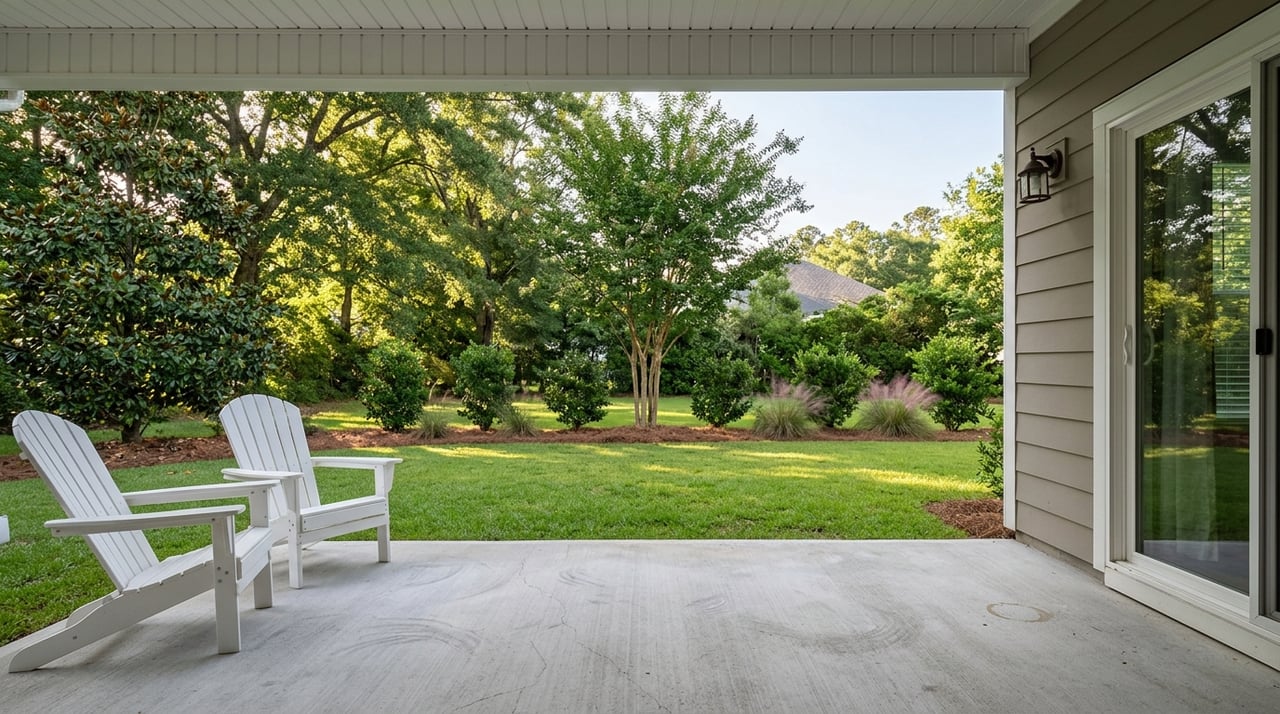
Scotland County offers lower overall housing costs and more room to spread out compared with larger urban areas near Fort Liberty. Many buyers choose it for detached homes on larger lots and a calmer, rural feel.
You also take on trade-offs. Expect a longer vehicle commute and fewer specialty amenities nearby. Commute time varies based on where you live in the county and which gate you use, so smart route planning matters.
Your exact origin and destination drive the outcome. Scotland County spans multiple towns, and Fort Liberty has several gates and facilities. A home a few miles closer to a higher-capacity road can save meaningful time.
Gate hours, vehicle access rules, and morning formations can change your schedule. Have your ID and vehicle documents ready, know your preferred gate’s hours, and keep a backup gate in mind if lines build.
Expect a mix of rural two-lane roads and higher-capacity corridors as you head toward Raeford and Fayetteville. The heaviest queues usually form at gate approaches during morning and evening shift changes, so a small buffer can keep you on time.
Storms can slow rural roads and create detours. Monitor road conditions and plan a few alternate routes in case of flooding, downed trees, or construction.
Every buyer’s situation is unique. Use the towns below as starting points as you compare routes and homes.
Laurinburg is the county seat with the widest range of local services. You can reach higher-capacity roads quickly, which helps during peak times. If you want convenient shopping and healthcare options close to home, this is a strong base of operations.
Wagram sits on the county’s northern side, which can shorten the overall trip toward the Raeford and Fayetteville side of the region. If you prefer a smaller-town feel while aiming for a shorter daily drive, put Wagram on your list.
Maxton offers a rural setting with access to regional corridors. Your commute experience will depend on where you are within town and which connector road you pick. Test both the fastest and most reliable routes during your usual report window.
Laurel Hill is west of Laurinburg with quiet streets and larger parcels. The drive typically includes rural stretches before you merge onto larger roads. If you work a non-peak shift, you may find this location fits well.
Gibson is a small town right on the state line that still ties into key east-west and northbound routes. If you value privacy and a slower pace, Gibson lets you balance space with a manageable plan to get on post.
Run these sample pairs in your mapping app during the time you would normally leave for PT, formation, or your shift. Compare at least two route options for each.
Tip: Save each route in your app, note typical times, and add a 10–15 minute buffer for gate variability. Your unit’s schedule may require an earlier departure.
Fixed-route public transit is limited in rural counties like Scotland County. Most commuters drive, carpool, or join a vanpool if available. If your team has multiple people living nearby, organize a shared schedule and rotate driving. Rideshare can help for occasional trips, but daily costs add up quickly compared with carpooling.
The best way to compare Scotland County to closer-in areas is to weigh your housing savings against the full cost of commuting.
If your mortgage and taxes are lower in Scotland County and you gain a larger lot, the trade-off can be worth it. Running real numbers gives you clarity.
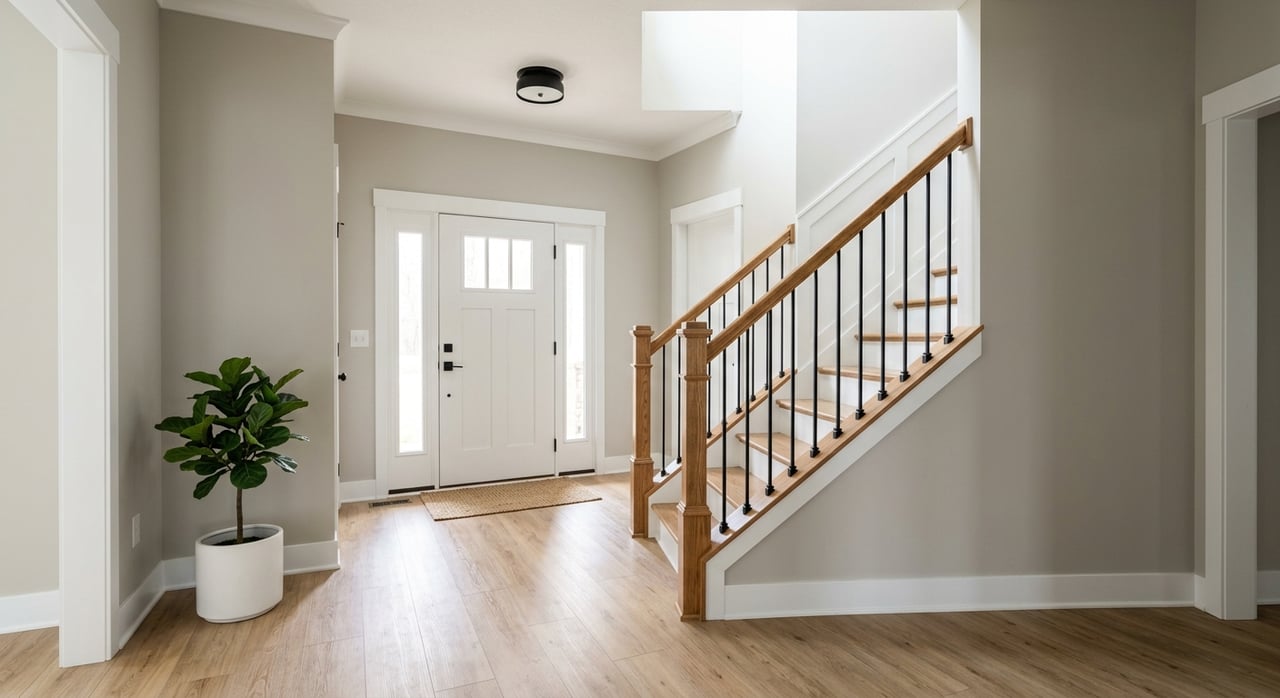
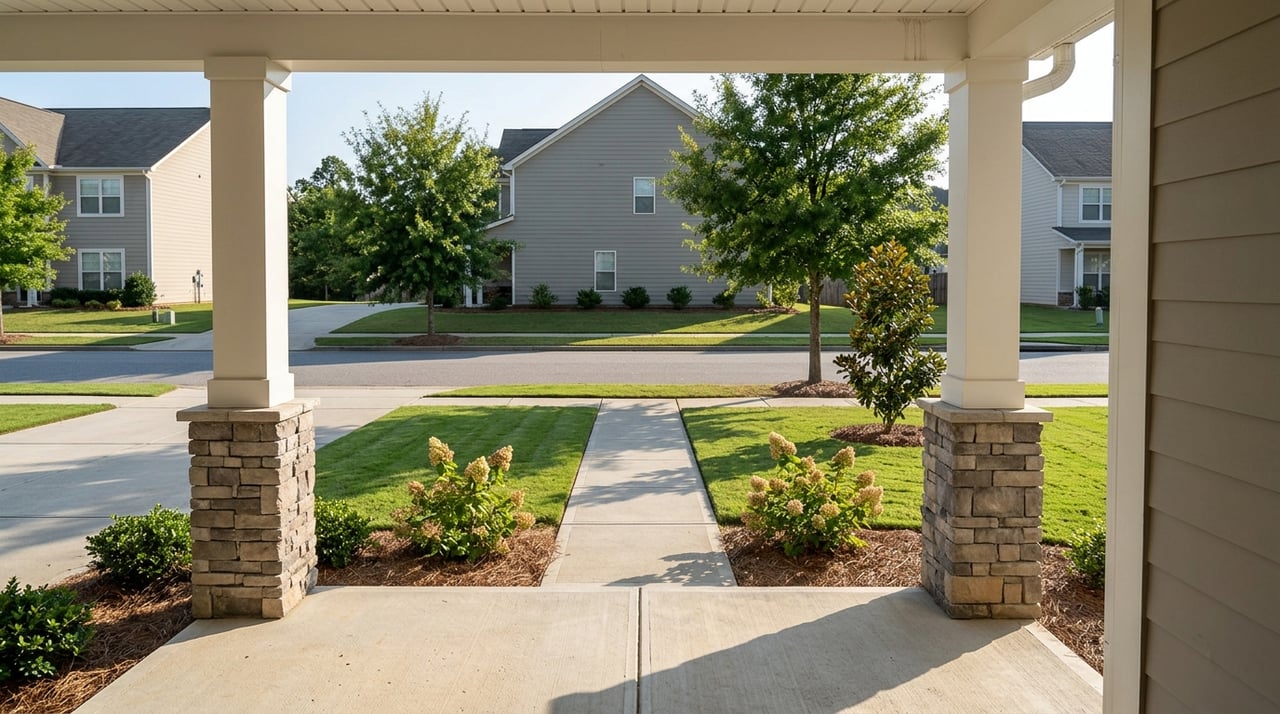
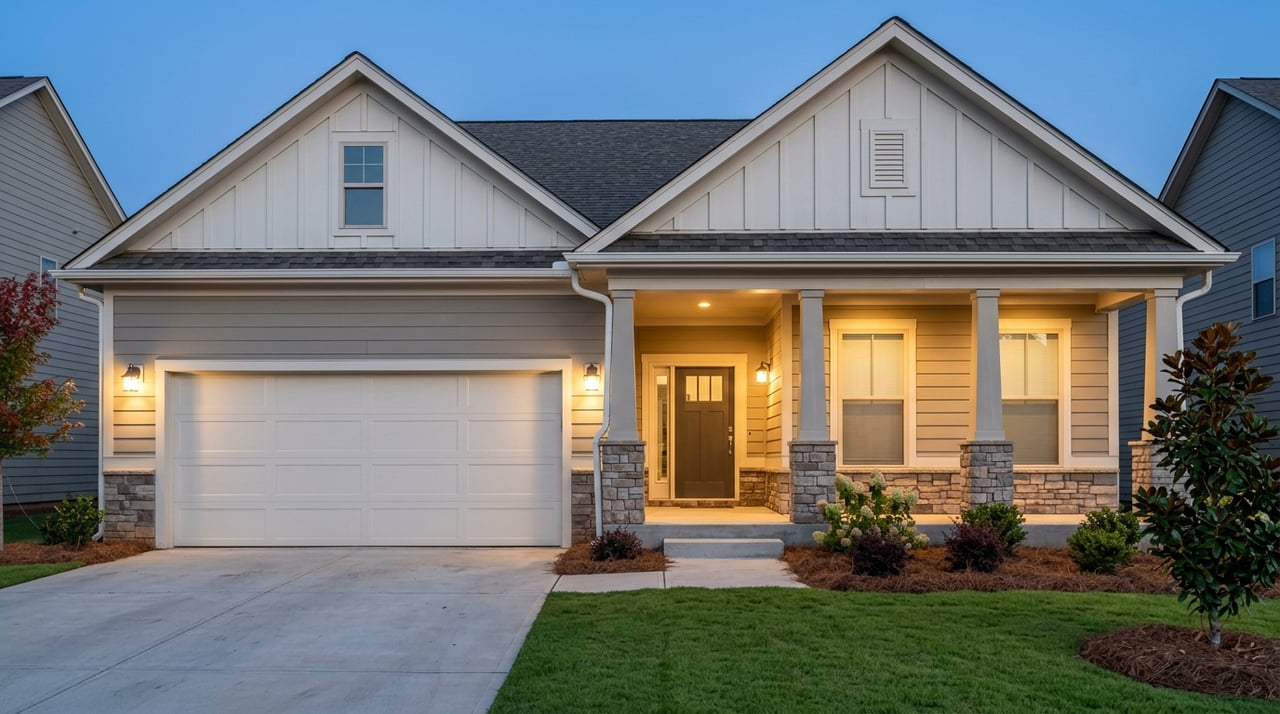
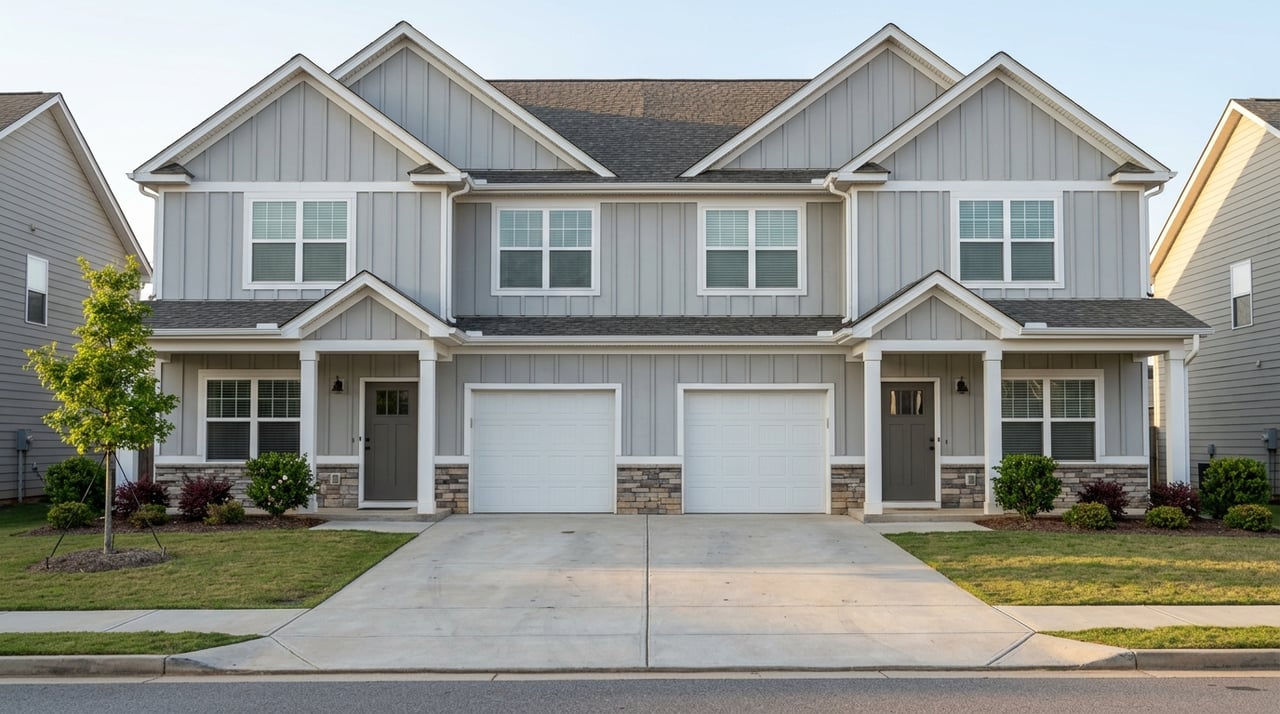
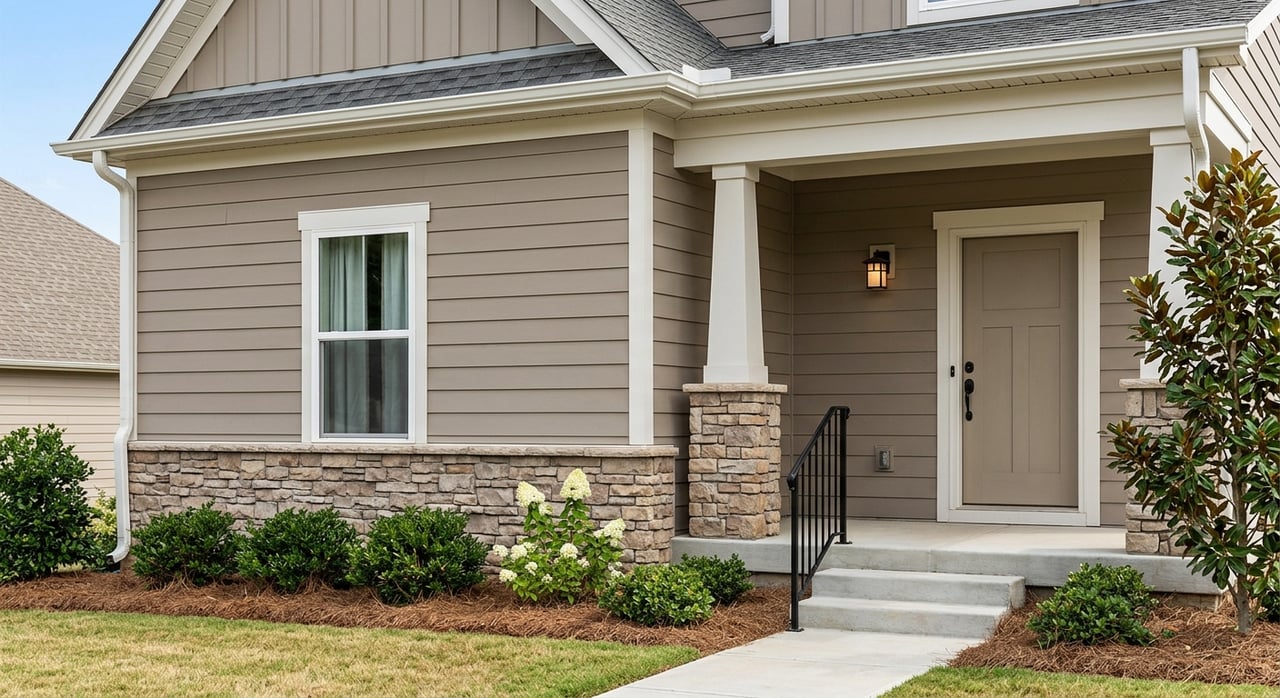
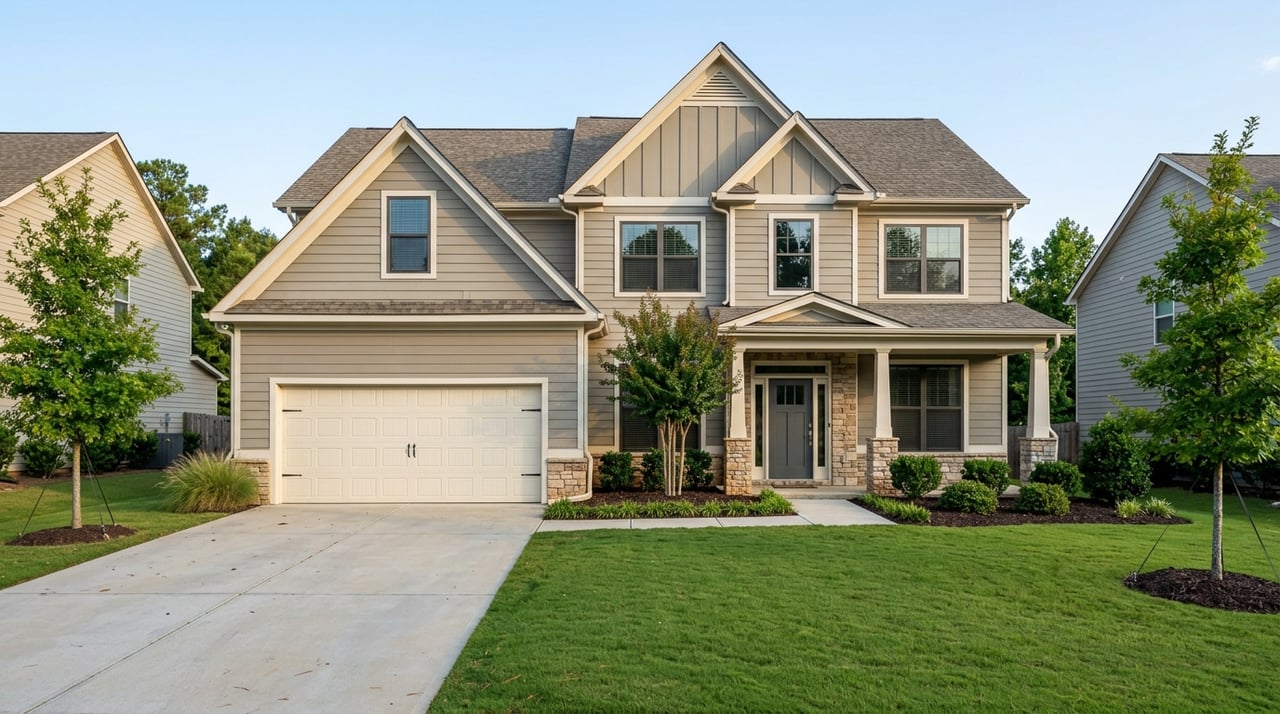
You will find many detached homes, larger lots, and fewer dense subdivisions compared with larger cities. New-construction options exist but are more limited than in bigger markets.
Prioritize features that support your commute and daily rhythm:
Schools, healthcare, and groceries are part of your everyday routine. Review school district maps and state education resources as you compare addresses. For healthcare, check the nearest clinics and hospitals in both Scotland County and larger regional centers.
Bring this list when you tour homes:
As a veteran-led, boutique team rooted in the Raeford–Fayetteville region, we understand the balance you are trying to strike. We help you shortlist commute-friendly homes, map realistic drive windows, and coordinate showings around your schedule. You get clear guidance, disciplined negotiation, and steady communication from start to finish.
If you are weighing Scotland County for space, value, and a workable drive to post, let’s build a plan that fits your timeline. Connect with HIVE Realty Group by LPT Realty to get started.