New Construction vs. Resale In Harnett County
December 25, 2025
December 25, 2025
Thinking about buying in Harnett County but torn between a brand-new build and a resale home? It is a common crossroads, especially if you are balancing budget, commute, and timing. In this guide, you will get a clear, local look at costs, timelines, inspections, and long-term value so you can choose with confidence. Let’s dive in.
Harnett County sits between the Raleigh area and Fayetteville, with towns like Lillington, Dunn, Erwin, Angier, Coats, and Buies Creek. Commuters to Fort Liberty, Fayetteville, Sanford, and Raleigh drive steady demand and shape where new neighborhoods appear. For current population and household trends, review the U.S. Census Bureau’s QuickFacts for Harnett County for context on local growth. You will also find county-level planning, tax, and permitting resources on the Harnett County Government website.
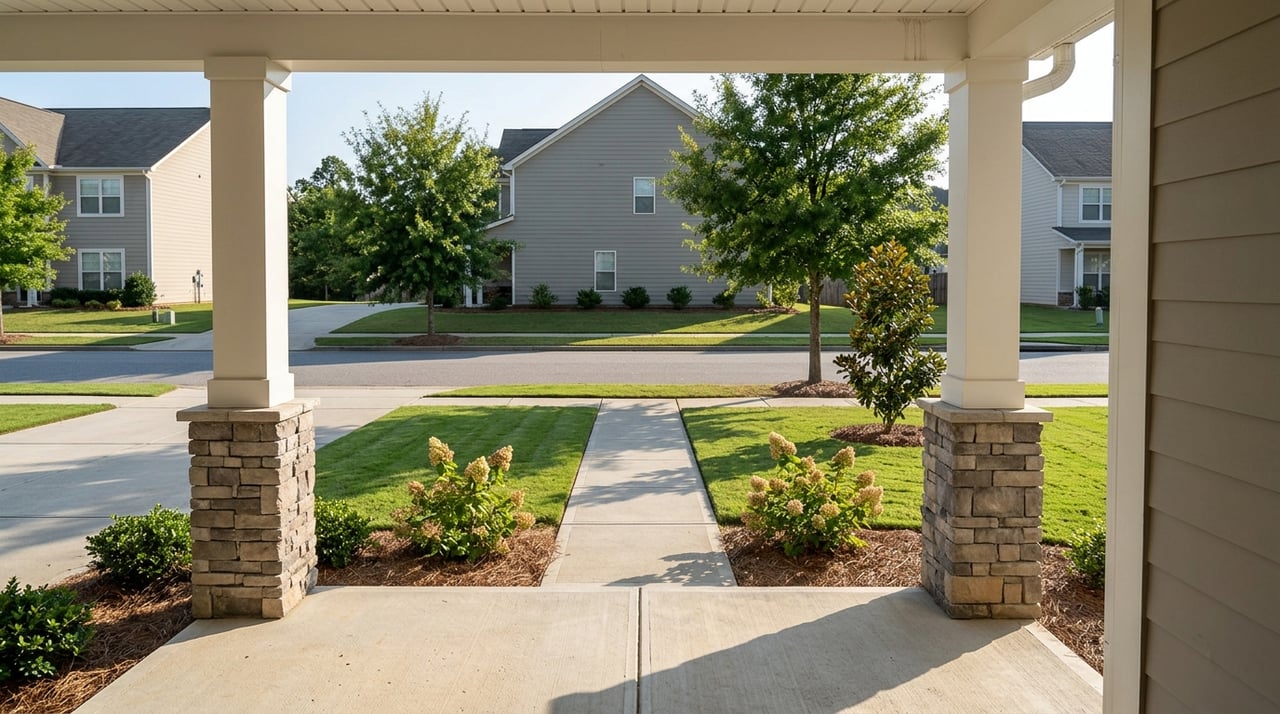
The housing stock is a blend of established neighborhoods and new subdivisions along major corridors that serve commuters. You will also find older single-family homes on larger parcels in rural areas. Some properties use septic systems rather than municipal sewer. That makes inspections and due diligence especially important, whether you buy new or resale.
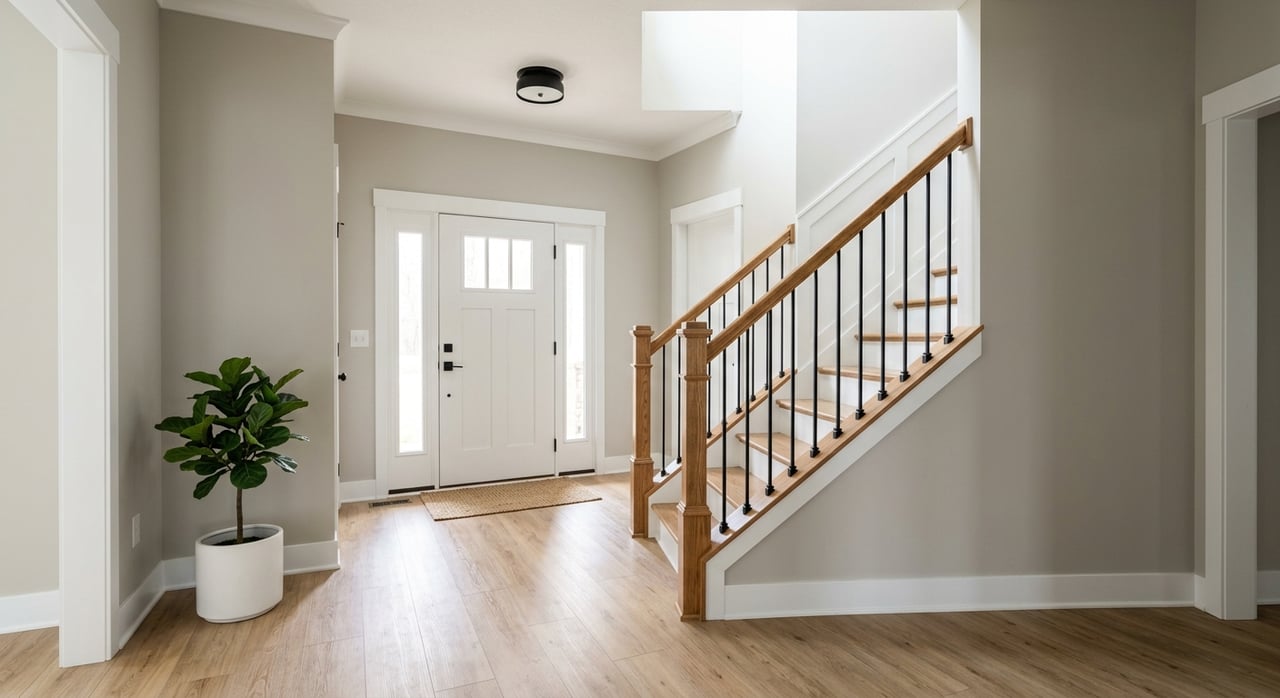
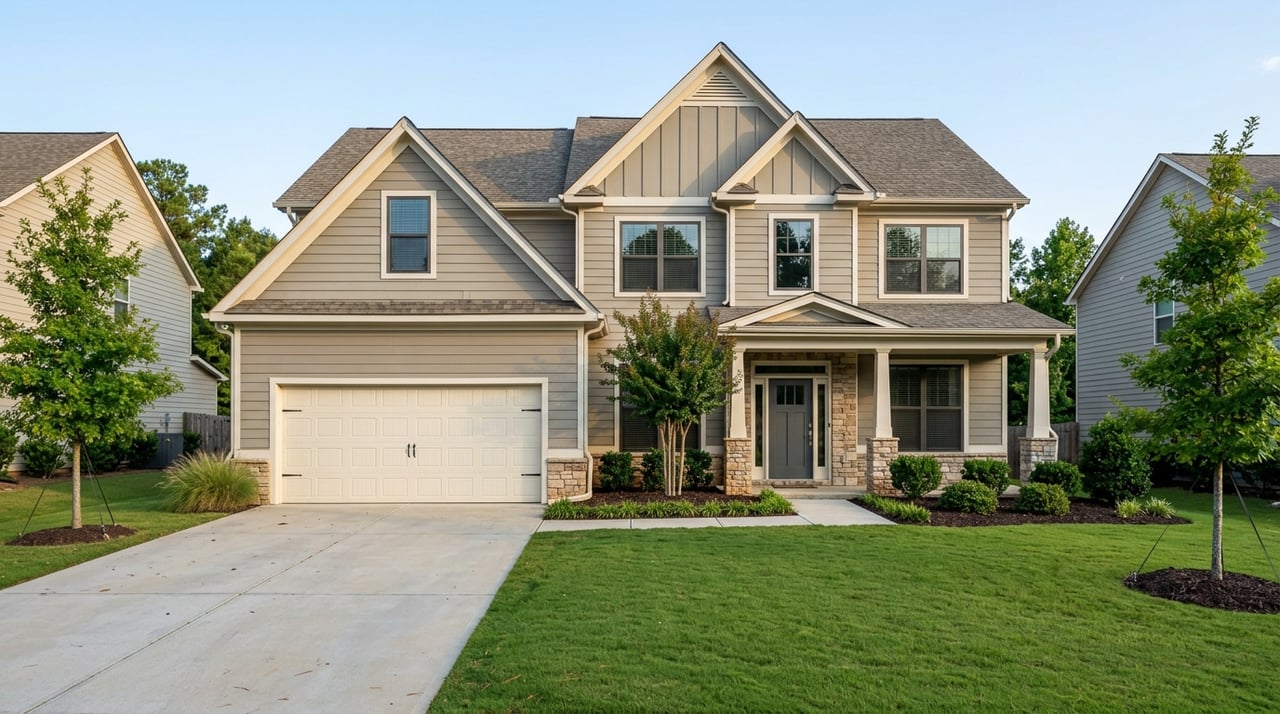
New homes generally offer modern floorplans, energy-efficient features, and current building-code standards. You can often customize finishes and design choices when you enter early in the build cycle. Many builders provide limited warranties that cover workmanship for a period and structural systems for longer. Streets, stormwater systems, and utilities are typically newer, which can support lower maintenance in the first years.
If you want a primer on builder quality and warranty expectations, the National Association of Home Builders provides helpful consumer guidance. You can also browse general new-construction buyer resources on NewHomeSource to understand options and timelines.
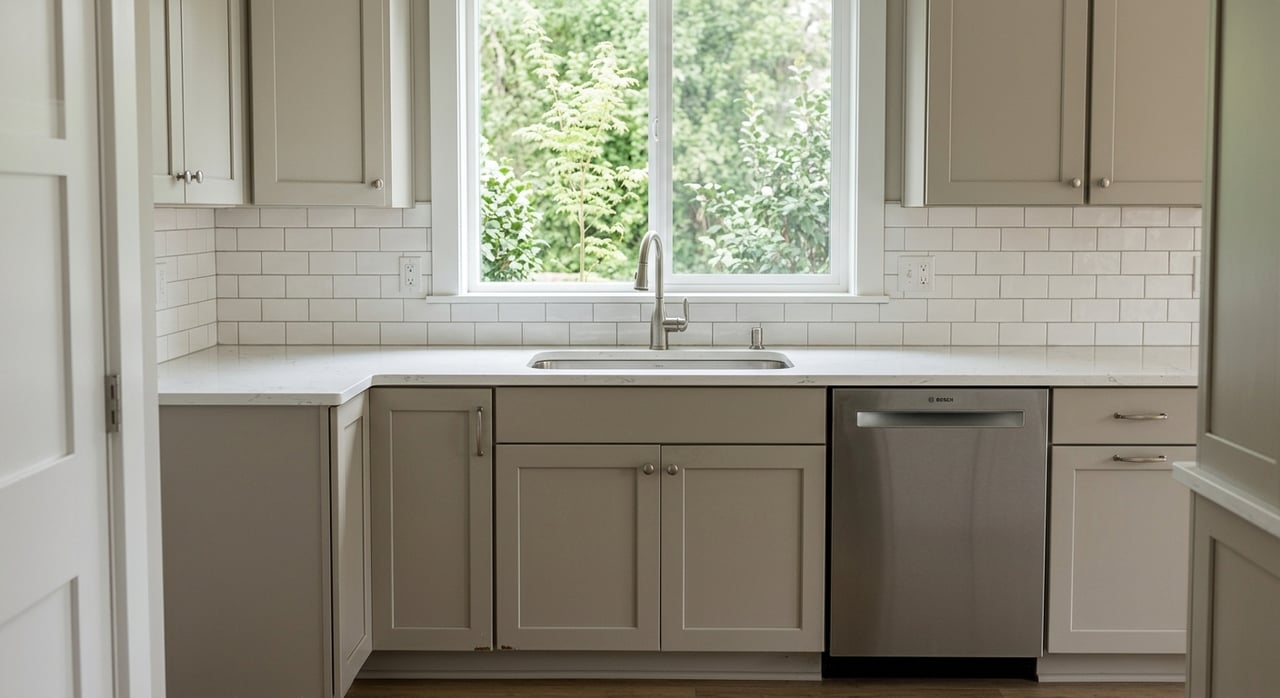
The sticker price is not the full cost. Plan for lot premiums, especially for cul-de-sac or larger lots. Upgrades can add up quickly. Appliances, counters, lighting, and flooring beyond the standard package often carry separate prices.
Budget for HOA dues and any amenity assessments if the community offers a pool, clubhouse, or trails. In some areas you may see connection or impact fees for water and sewer. Builders may offer incentives like rate buydowns or closing-cost help. Compare the total cost and long-term loan terms before you decide.
You will typically use one of two paths. If you are buying a completed or near-complete home, you can use a standard mortgage. If you are building from the ground up, a construction-to-permanent loan funds draws during construction then converts to a traditional mortgage at completion. The Consumer Financial Protection Bureau explains your mortgage rights, disclosures, and protections so you know what to expect.
Government-backed loans such as FHA, VA, and USDA can be options for new construction, but rules and availability vary by lender and builder. Ask early and get written confirmations of what is permitted. Timelines can range from several months to more than a year depending on permits, weather, and supply chains. Independent inspections at key milestones help you stay on track.
Do not skip private inspections because a home is new. Schedule checks at pre-drywall, during mechanical rough-ins, and before the final walkthrough. Create a punch list for items that need attention. Get warranty terms in writing and keep copies of all documents.
For clarity on typical warranty structures and what is commonly covered, review consumer materials from the National Association of Home Builders. Keep in mind that warranty claims have processes and timelines. Document issues with photos and written requests so you have a clear record.
Construction delays and change orders can shift your timeline and budget. Builder quality varies by company and crew. Research the builder’s track record and visit completed communities nearby. You can also check building and permit records through Harnett County resources to confirm completion dates and approvals.
In high-demand moments, negotiation leverage on spec homes can be limited. Early buyers often have more options to personalize. If you need scheduling certainty, ask the builder for a realistic completion window and what happens if they miss it.
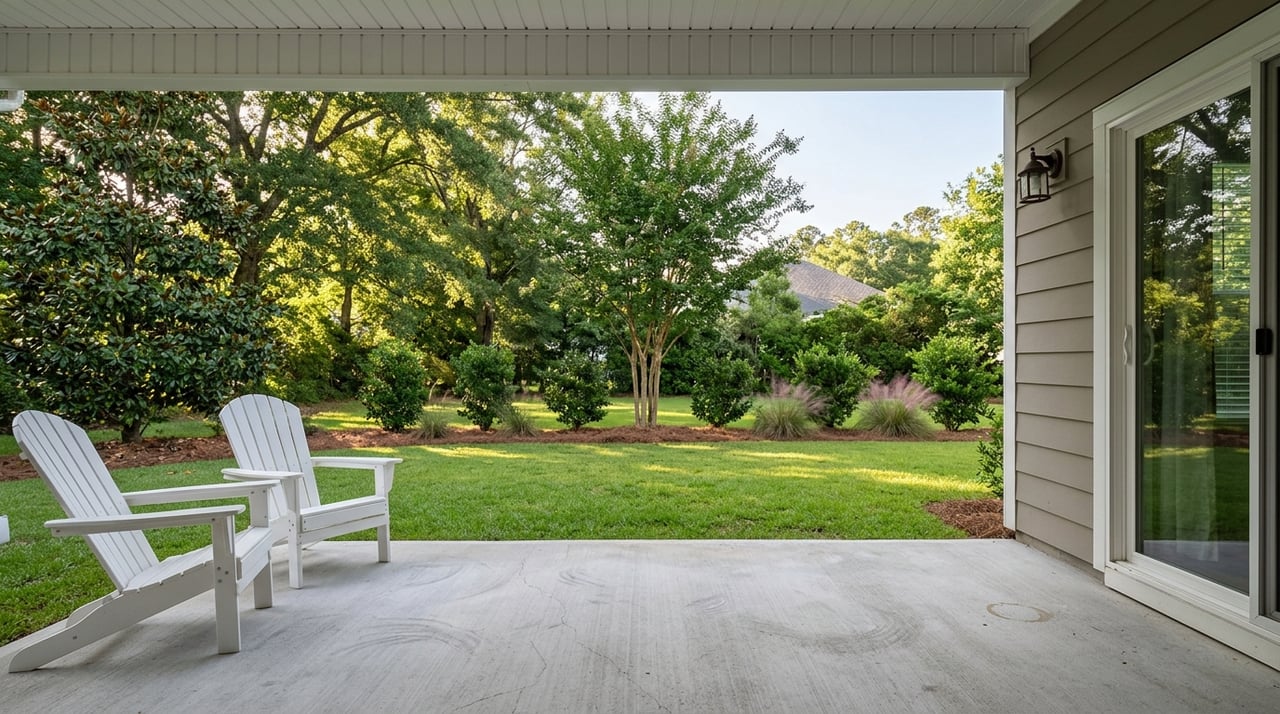
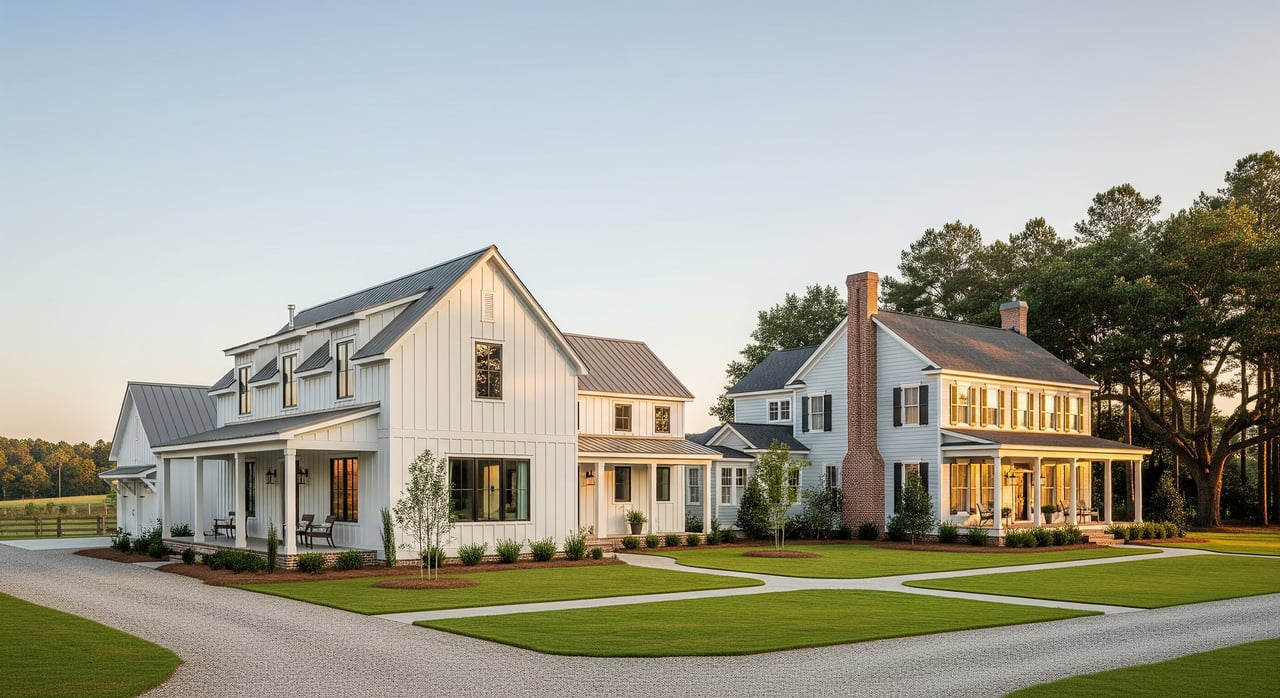
Resale homes can offer more price flexibility, especially when inventory is higher. Mature neighborhoods tend to have established trees and landscaping, and some may have lower HOA dues or none at all. You can often move sooner because you are not waiting for construction. You can also review past utility costs, repair histories, and permits to see how the home has performed.
A standard home inspection is step one. In Harnett County, many properties use septic systems and some use private wells. Plan for a septic inspection and, if applicable, a percolation test. If a property is on a private well, arrange water-quality testing through qualified providers. You can find guidance and contacts through Harnett County Environmental Health and other county departments.
Also consider pest and termite inspections, HVAC and roof evaluations, and radon testing. Review permit history to confirm additions or renovations were properly approved. The Harnett County Government site is the starting point for property records, permits, and planning.
Older systems like roofs, HVAC, plumbing, and electrical may require near-term replacement. Plan for potential hidden issues such as outdated wiring, moisture intrusion, or termite damage. If you want a modern layout, budget for renovation to open rooms or update finishes.
Inspection findings often drive repairs, credits, or price adjustments. Appraisals rely on comparable sales, which means recent new-home sales and upgraded resales can influence value. If you are selling a resale home, providing recent inspections and service records builds buyer confidence.
New construction often has a higher purchase price when you include lot premiums and upgrades. The upside is lower near-term maintenance and potential energy savings. Builder incentives can help with closing costs or interest rates. Confirm the math and the fine print.
Resale homes may have a lower purchase price, but you should factor in repairs, appliance replacements, and possible energy inefficiencies. If you plan a renovation, build in a realistic cost and timeline. A side-by-side budget for your first year of ownership can make the tradeoffs clear.
New homes generally have fewer maintenance surprises during the first years. Insurance costs can vary by age and systems. For property tax assessments and how values are set, use the Harnett County Government site to find the Tax Assessor and related resources.
Appreciation depends on location, lot, nearby amenities, and local demand more than whether the home is new or resale. Think about long-term fit and how the home supports your daily life.
If you need to move on a set date, resale often provides more certainty because you can close shortly after inspections and appraisal. New construction can meet a target date if the home is already near completion. If you are building from scratch, build in buffer time for permits and weather.
Military relocations have unique timing needs. If you are on orders to Fort Liberty or another nearby installation, consider your possession date, travel windows, and school-year timing. Match your housing plan to your mission timeline so you can settle in without stress.
Use county and national resources to verify details and make a confident choice:
Ready to compare specific neighborhoods, builders, or resale options that fit your budget and timeline? Connect with a local team that understands military moves, first-time buyers, and investor goals. Reach out to HIVE Realty Group for one-to-one guidance and disciplined negotiation that puts your needs first. When you are ready, contact HIVE Realty Group by LPT Realty to get started.