Moore County Rental Investing Strategies for 2026
February 19, 2026
February 19, 2026
Thinking about building rental income in Moore County, NC? You’re in good company. The county blends stable year-round demand with tourism spikes, which can create dependable cash flow if you buy right and manage well. In this guide, you’ll learn where the demand comes from, what typical rents look like, which property types work best, and how to underwrite deals with local guardrails. Let’s dive in.
Moore County is growing and largely owner-occupied, which supports single-family rental demand. The county counts about 108,417 residents and 52,046 housing units, with an owner-occupancy rate near 76.4 percent, according to the latest QuickFacts data from the U.S. Census Bureau. You can review the baseline figures in the Census profile for Moore County to understand the size and structure of the local housing market.
Healthcare is the largest private industry locally, which means steady, non-seasonal tenant demand from clinicians, nurses, and support staff. The county’s economic development profile highlights leading employers like FirstHealth of the Carolinas and Pinehurst Medical Clinic, underscoring a solid employment base that rents year-round. You can see more context in the county’s healthcare sector overview.
Golf and tourism also play a major role. The USGA selected Pinehurst for Golf House Pinehurst and has committed significant championship events to the area, which lifts regional visibility and drives short-term and corporate housing demand during tournaments. That event energy can help mid-term and furnished strategies near amenities when local rules allow.
Connectivity adds another layer. Southern Pines has an Amtrak station, and US highways connect Moore County to the Fayetteville and Raleigh-Durham job markets. That access helps attract relocating households and regional commuters.
Rents vary widely by town and property type. As a countywide signal, the Zillow Observed Rent Index placed average asking rent near 1,834 dollars as of January 31, 2026. Apartment-focused data shows Southern Pines around 1,598 dollars on average, per RentCafe, which is typical for multifamily averages. Listings-based medians often run higher for single-family rentals. In late 2025, Realtor.com showed county-level medians near 2,100 dollars, with Pinehurst around 2,200 dollars and Southern Pines near 2,025 dollars.
Federal Fair Market Rents sit well below market listings because they reflect the 40th percentile. For FY2025, the HUD 2-bedroom FMR for Moore County was roughly 1,135 dollars. Taken together, a practical planning range looks like this:
On the acquisition side, county-level price indices put average home values near 403,900 dollars (ZHVI, January 2026) while late-2025 median sale prices in several reports ranged from about 460,000 to 480,000 dollars. Always underwrite with up-to-the-minute MLS comps at the neighborhood level, since pricing varies sharply between Pinehurst, Southern Pines, Aberdeen, and outlying towns.
These are the higher-tier rental submarkets with strong amenity appeal, a walkable downtown vibe in Southern Pines, and golf-driven visibility in Pinehurst. Short-term rental rules are strict, especially in Pinehurst. New whole-home STRs are limited to specific zoning districts, with prior operators needing certification as nonconforming uses. If a short-term strategy is part of your plan, confirm what is allowed for the exact parcel before you buy.
These areas typically offer more accessible price points for single-family buy-and-hold. You can often find solid 3-bedroom homes that attract longer-term tenants seeking yard space and quick access to services. These towns can be a good match for 12-month leases with steady renewal potential.
There are fewer purpose-built small apartment buildings than in denser metros, but duplexes and quadplexes exist. Regional commentary suggests many secondary market multifamily properties traded in the mid-5 to mid-7 percent cap-rate range in 2024–2025, depending on class and value-add. Local trade comps will tell the real story street by street, so ask for recent rent rolls and expense statements when you evaluate a deal.
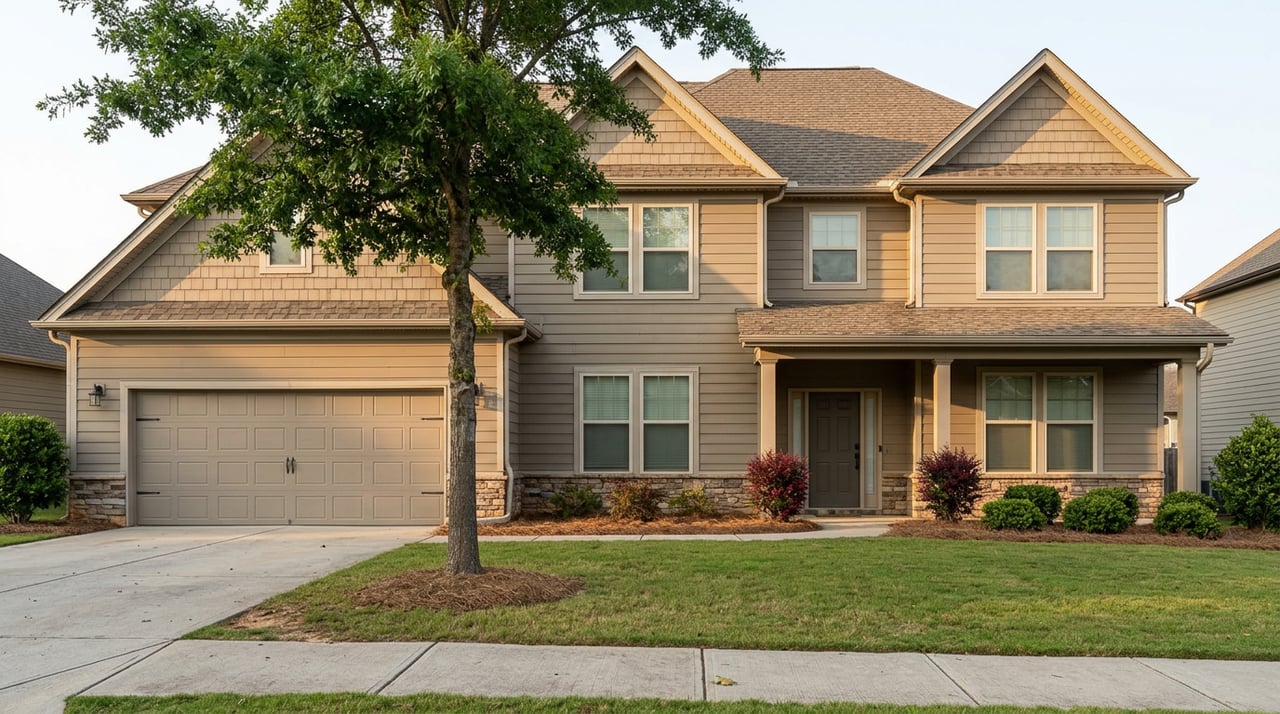
Focus on well-located 3-bedroom, 2-bath homes near daily amenities and employment centers. Expect tenant interest from medical staff, service workers connected to tourism, regional commuters, and relocating households. Typical single-family marketing and turn times run 2 to 8 weeks depending on season and rent competitiveness.
Consider 3 to 6-month furnished leases for clinicians on assignment or households in transition. Proximity to medical facilities and Southern Pines station can help occupancy. During major golf events, furnished mid-term units can capture temporary premium demand if local rules permit.
In Pinehurst and Southern Pines, STRs are regulated by district and permit. Verify short-term eligibility for your parcel, understand any registration steps, and plan for state and local occupancy tax compliance. If a property does not qualify for whole-home STR, consider a mid-term or traditional 12-month strategy instead.
Target properties where you can improve unit finishes, address deferred maintenance, and optimize operations. Modest upgrades, resident-friendly policies, and better marketing can lift effective gross income while controlling expenses. Underwrite with local cap-rate comps and verify each line item with historicals, not assumptions.
Use conservative, local inputs so your deal still works if conditions shift. Start with these ranges and refine with property-level quotes and comps:
Helpful references:
Use this quick process before you offer:
Resources for the checklist:
Plan for a leasing window of several weeks for single-family homes when you price at market and show well. Inventory can feel tight at times, but seasonality still matters. Activity tends to pick up ahead of major golf events and during common relocation windows. Set expectations with your manager on showing cadence, application processing, and how you will handle minor concessions to speed quality lease-ups.
You deserve clear numbers, local context, and a steady hand from offer to first lease. Our team brings disciplined negotiation, on-the-ground market knowledge, and a client-first service model that fits busy investors. We support buyer representation, investor listings, leasing and off-market sourcing, and time-sensitive solutions when you need speed and certainty.
If you are weighing two properties, want help pressure-testing a pro forma, or need a plan to position a rental for fast occupancy, let’s talk. Connect with HIVE Realty Group by LPT Realty to get local guidance, data-backed pricing, and a streamlined path from purchase to placement.