Living in Cumberland County NC: What Daily Life Feels Like
May 7, 2026
May 7, 2026
If you are thinking about a move to Cumberland County, you probably want more than a map and a home search. You want to know what daily life actually feels like, how far you might drive, what housing looks like, and whether the area fits your routine. Cumberland County offers a mix of military influence, steady growth, practical commute times, and a wide range of neighborhoods and housing choices. Let’s dive in.
Cumberland County is a large and growing county with an estimated 338,473 residents in 2025. It has a 55.0% owner-occupied housing rate, a median household income of $61,291, and a mean commute time of 21.6 minutes. Those numbers point to a place where many people put down roots, while many others arrive for new jobs, military orders, or life changes.
You can also see that range in the county’s age mix and background. About 25.3% of residents are under 18, 13.7% are 65 or older, 40,226 residents are veterans, and 6.8% of residents are foreign-born. Broadband internet is available in 91.1% of households, which matters for remote work, school, and day-to-day convenience.
Fort Bragg is one of the biggest reasons Cumberland County feels different from many other North Carolina counties. The installation reports about 53,700 troops, 14,000 civilians, and a supported population of roughly 260,000. It is home to the Airborne and Special Operations Forces, and its size affects everything from housing demand to school enrollment to the pace of local moves.
That military presence gives the area a relocation-oriented rhythm. Cumberland County’s 2025 consolidated plan notes that 6.4% of residents moved from another state and 1.6% moved from abroad. In practical terms, that means you will meet plenty of people who are new to the area, settling in on a deadline, or preparing for another move down the road.
For military households, that can make the county feel easier to step into. For non-military buyers and sellers, it helps explain why the market often includes a steady mix of rentals, resale homes, and people working on tight timelines.
Cumberland County has a broad mix of backgrounds, experiences, and household types. Cumberland County Schools reports 48,434 students across 86 schools, with 15,413 military or federally connected students. The district also reports 118 native languages and more than 75 countries represented.
That diversity shapes everyday life in a real way. It can influence the kinds of events, services, and community connections you find across the county. It also means many residents understand what it is like to be new, which can make the transition feel a little more manageable if you are relocating.
One of the biggest things you will notice about living in Cumberland County is that housing does not have a one-size-fits-all feel. Countywide, there are 145,475 housing units, with a median home value of $199,200. Median monthly owner costs are $1,508 with a mortgage, and median gross rent is $1,222.
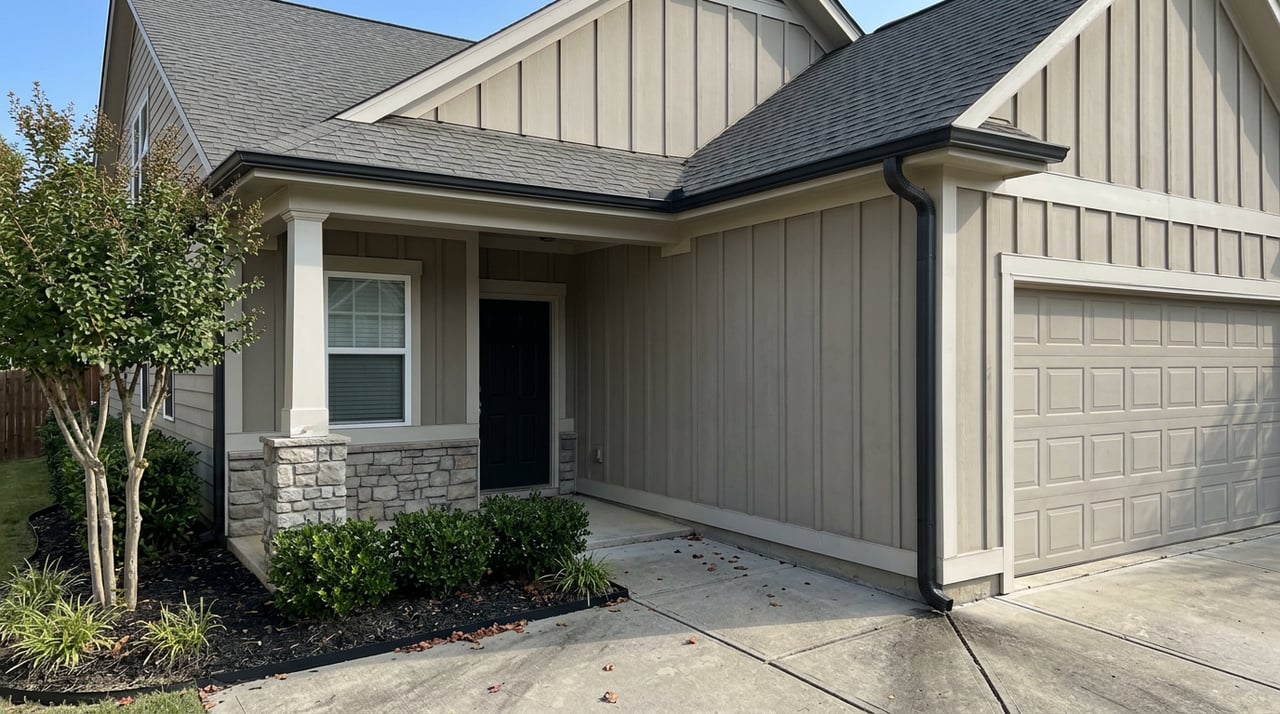
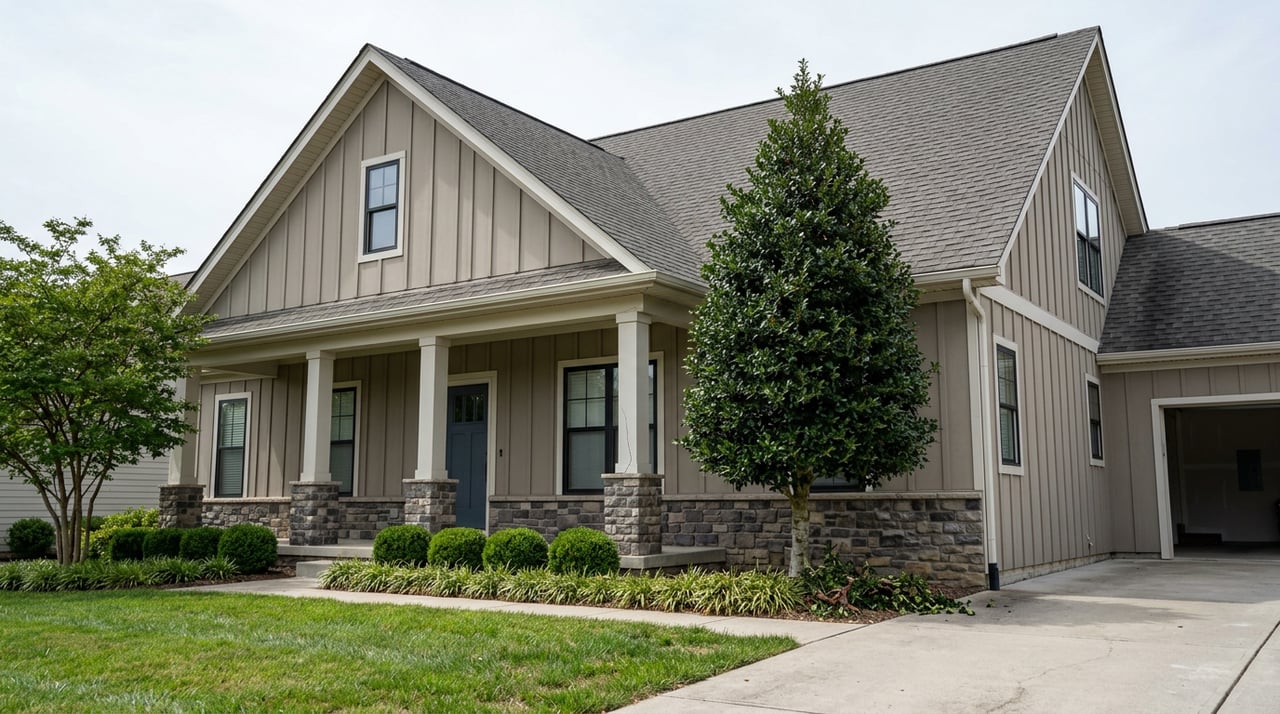
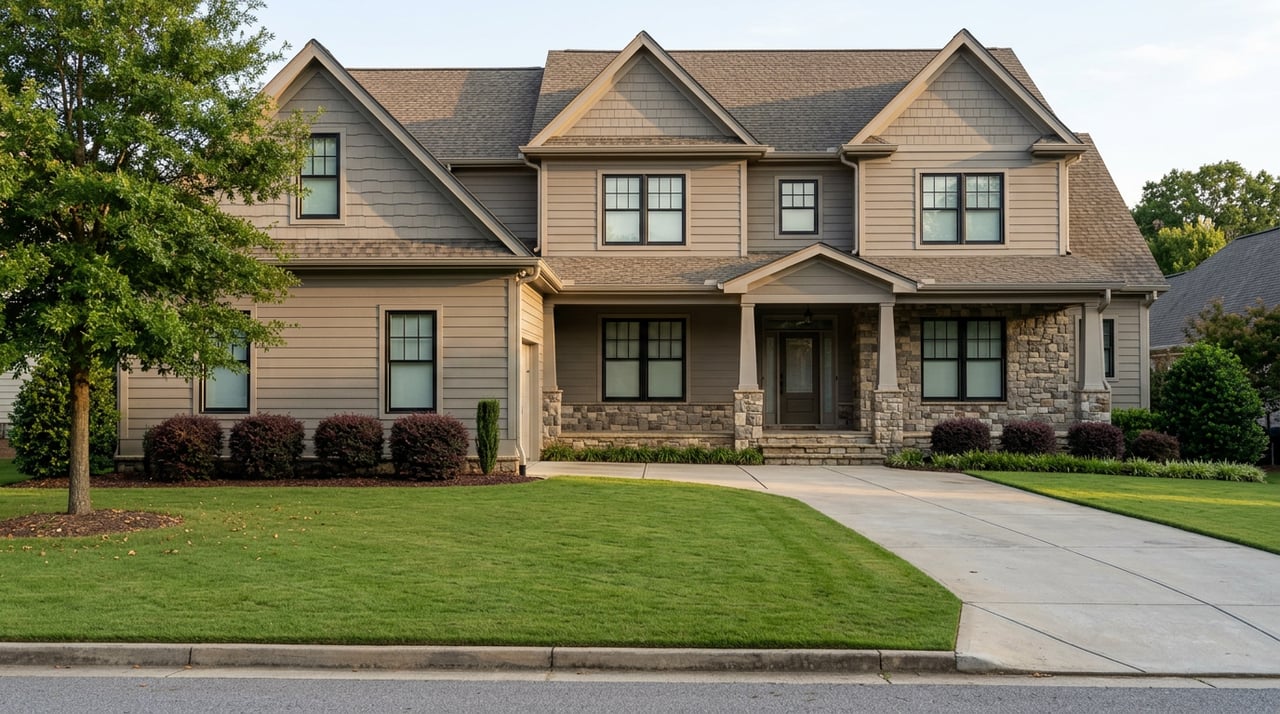
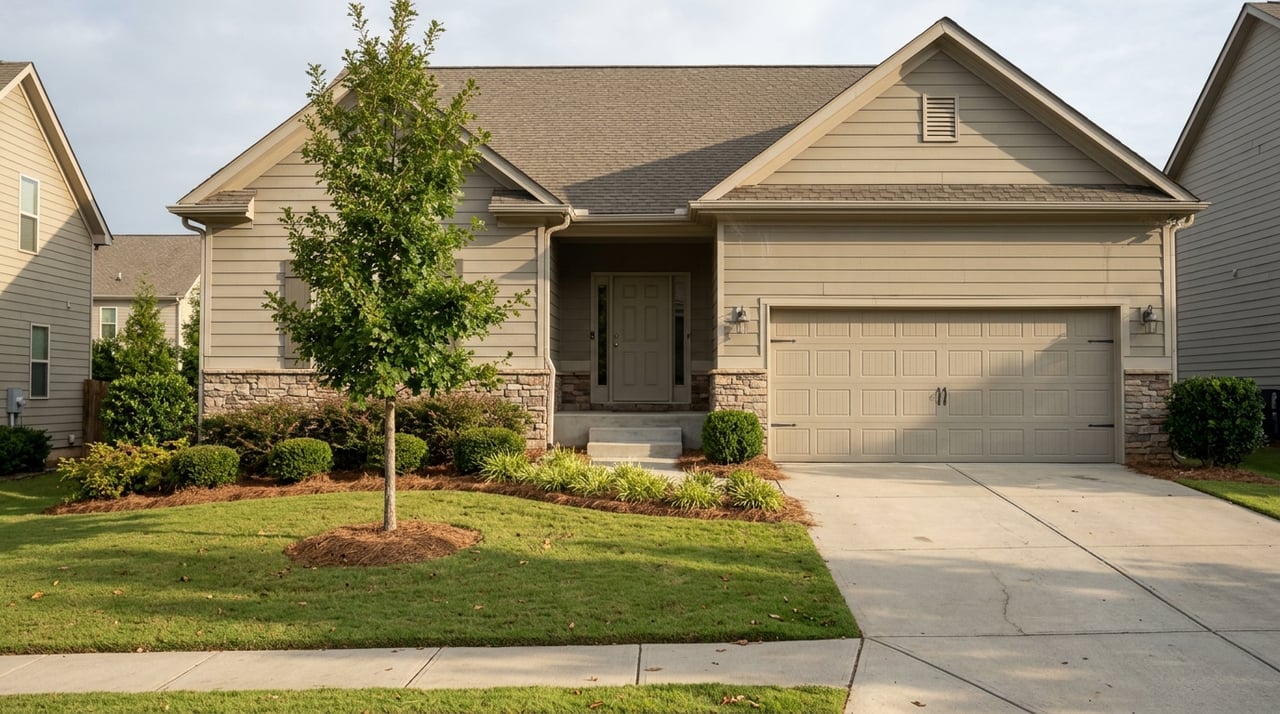
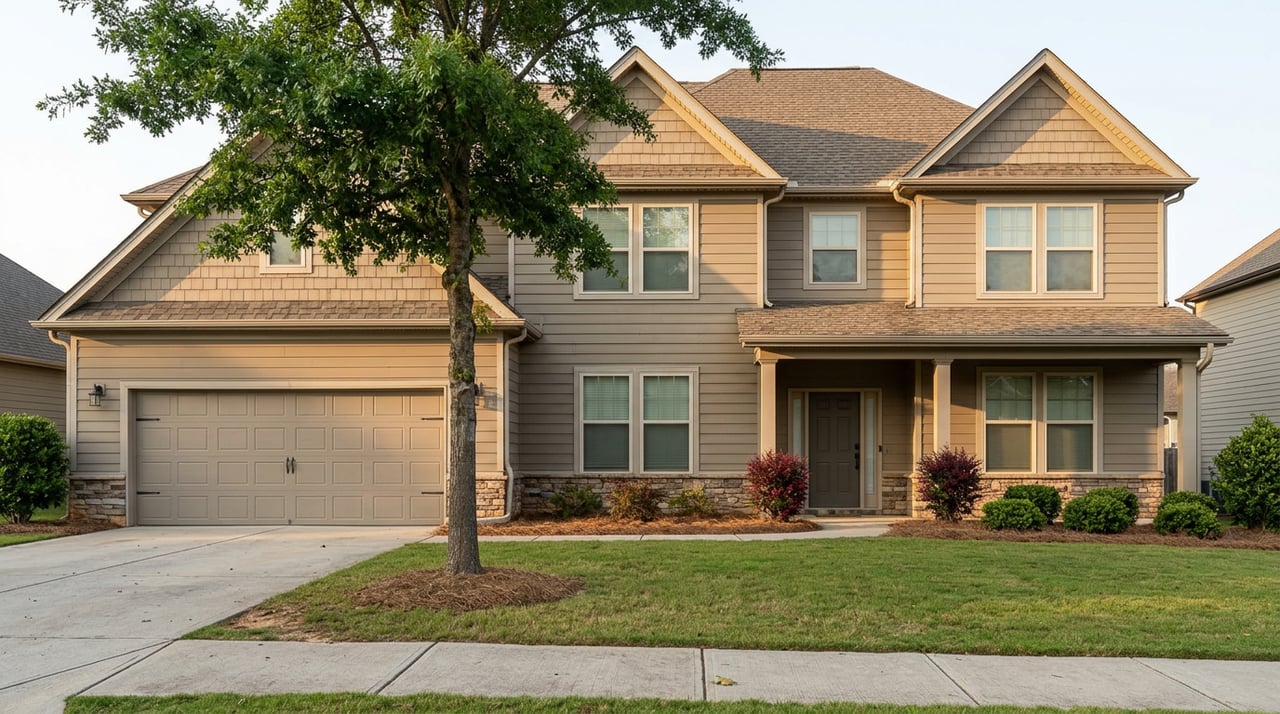
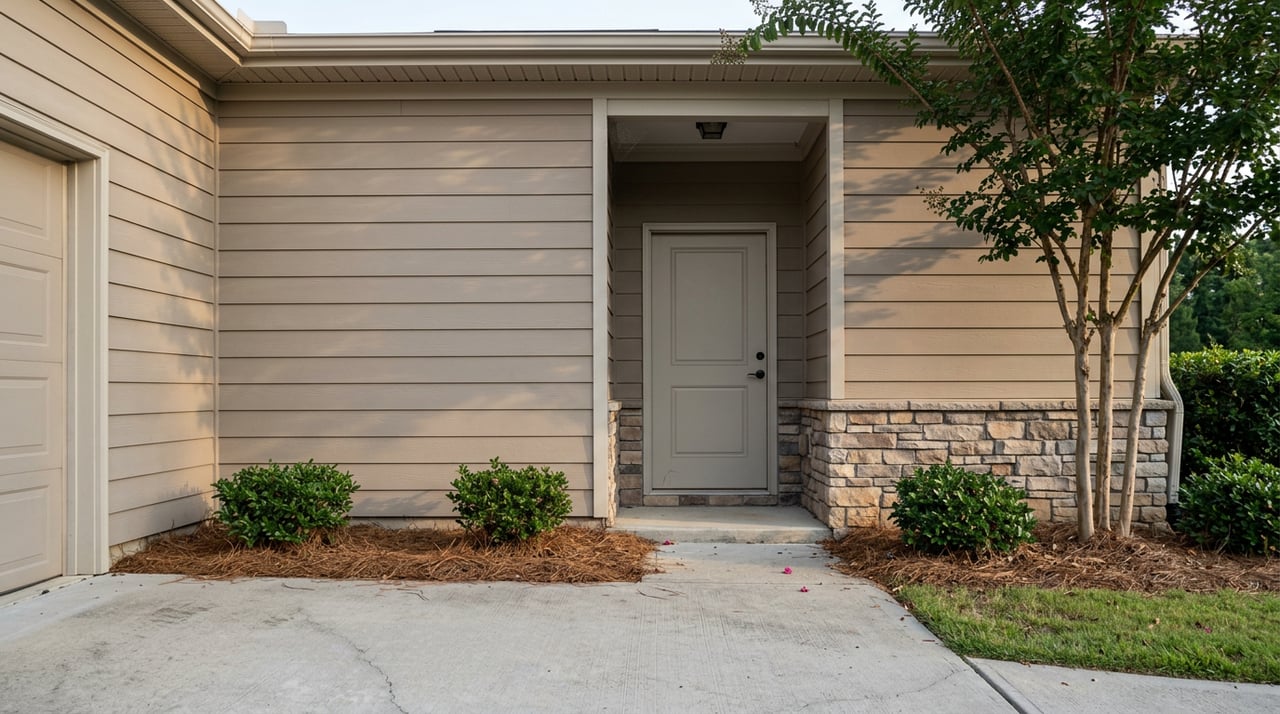
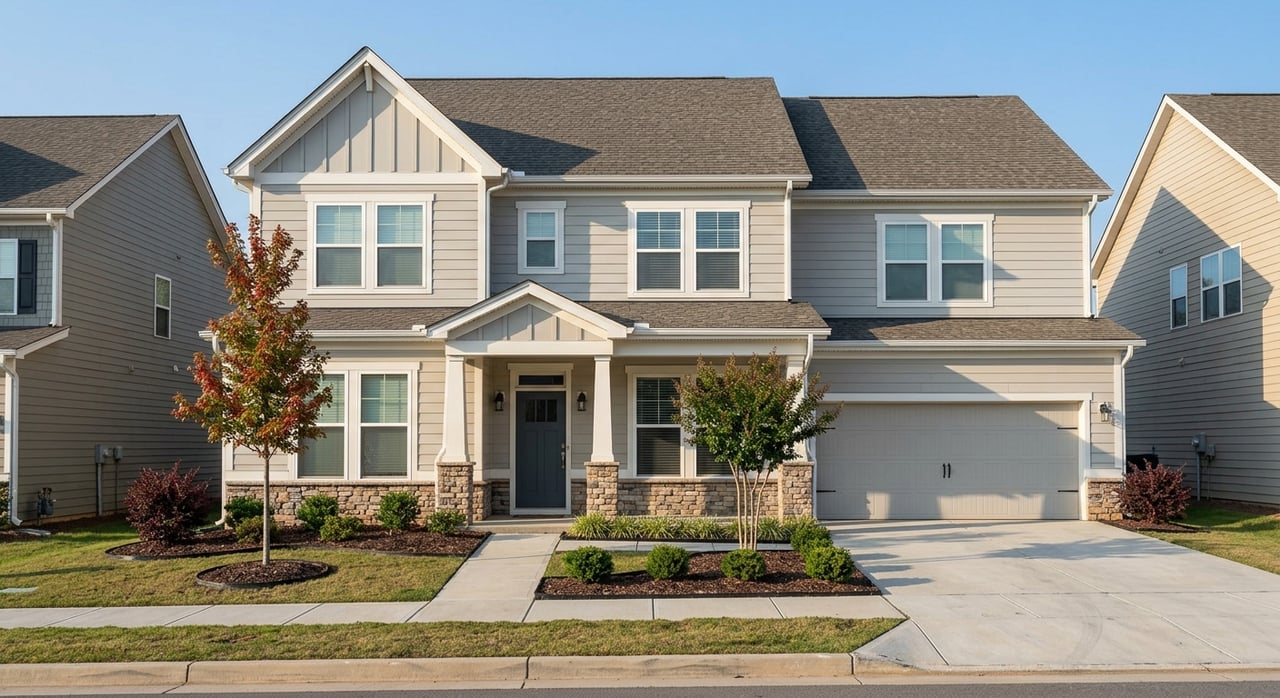
In the county’s unincorporated areas, the housing mix leans heavily toward detached homes. About 68% of residential properties are 1-unit detached homes, while mobile homes and other non-traditional units make up 11%. Smaller multifamily buildings and larger apartment-style properties are part of the mix too, but the overall feel is more suburban and rural than urban.
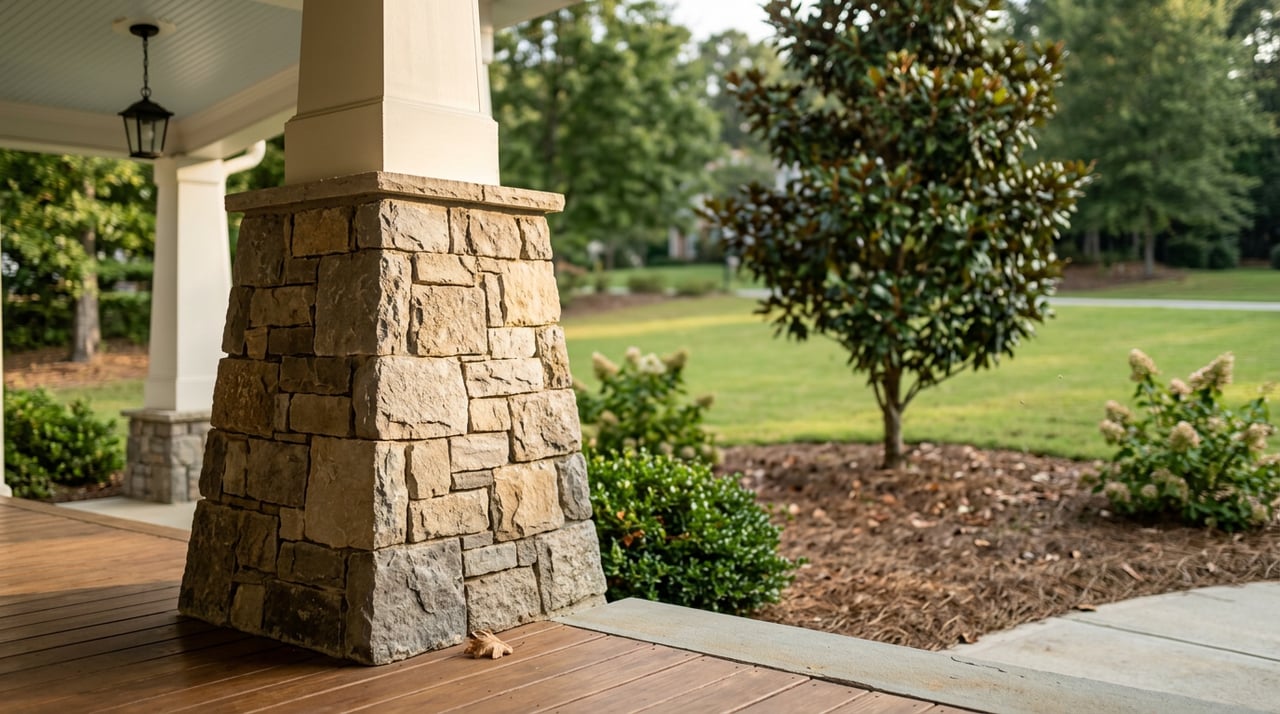
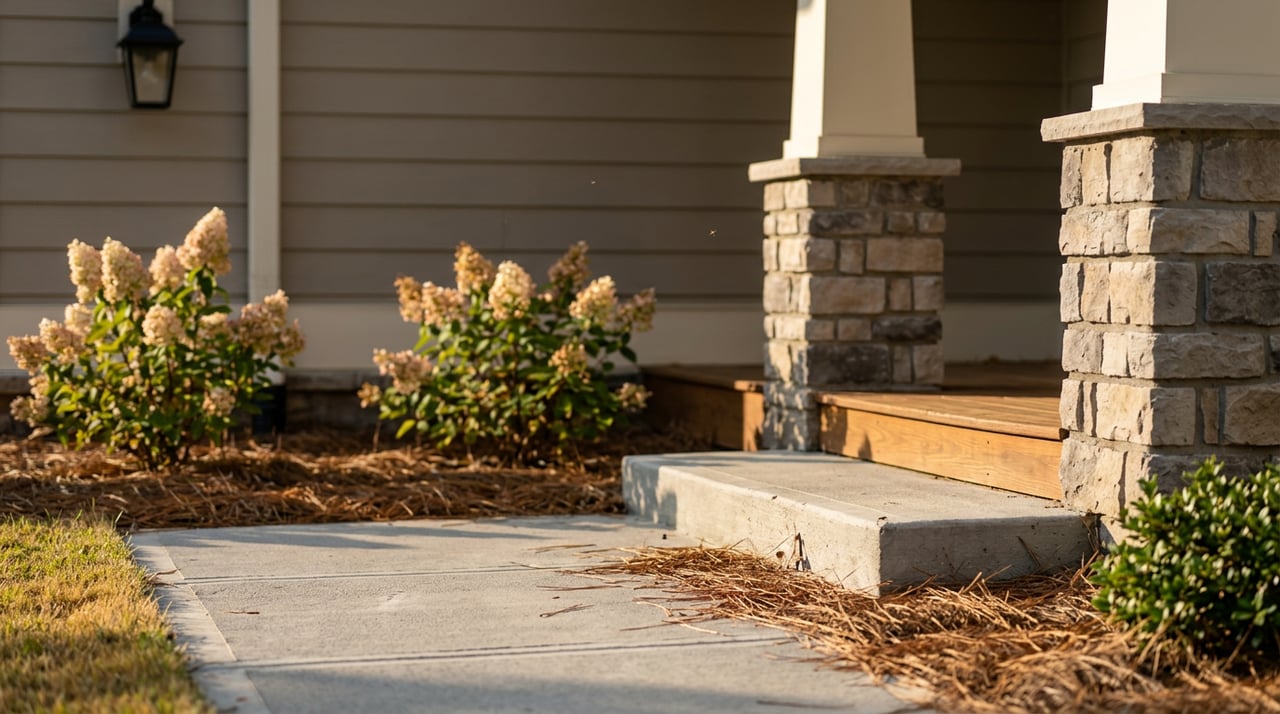
That can be appealing if you want options. Some parts of the county offer established subdivisions and neighborhood-style living, while other areas feel more spread out and rural. The county plan specifically notes that unincorporated Cumberland County includes everything from fully developed subdivisions to rural communities accessible by dirt roads.
If you expect most homes to be new construction, Cumberland County may surprise you. In the unincorporated county, only 5.3% of owner-occupied homes were built in 2010 or later, while 57.2% were built between 1980 and 2009. That means much of the housing stock falls into the established-home category.
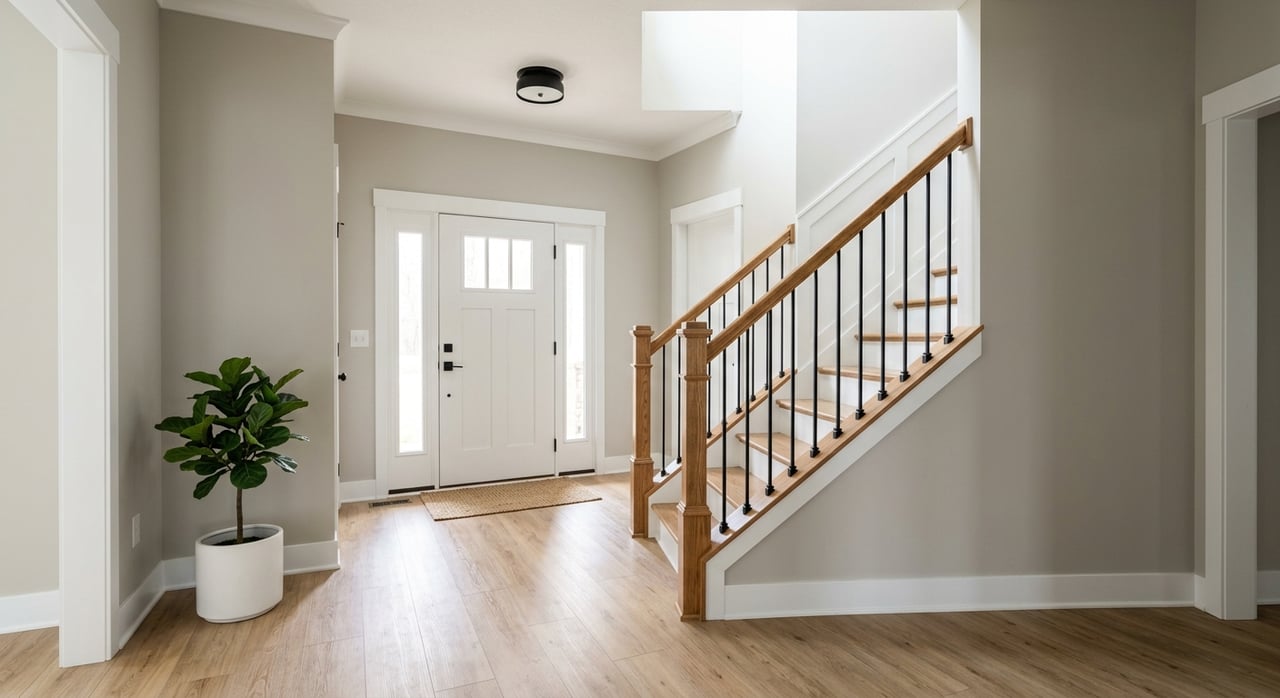
For you, that can create a few advantages. Established homes may offer mature lots, more varied floor plans, and neighborhoods with a lived-in feel. It also means you should be ready to compare age, upkeep, and updates carefully when you are deciding between homes.
Home size is another part of the local housing picture. In the unincorporated area, 91% of owner-occupied homes have three or more bedrooms, compared with 57% of renter-occupied homes. That suggests a market where many owned homes are designed around extra living space, whether you need room for family, guests, work-from-home needs, or storage.
If you are looking for a more flexible layout, Cumberland County may give you more choices than a denser market would. At the same time, renters can still find a range of options, especially with the county’s steady demand from relocations and military-connected moves.
Traffic is always local and route-specific, but the countywide numbers suggest that getting around is often manageable. QuickFacts lists a mean travel time to work of 21.6 minutes. The county plan says 65% of workers commute under 30 minutes, 28% commute 30 to 59 minutes, and 7% commute 60 minutes or more.
Road access has improved with I-295, the 39-mile Fayetteville Outer Loop, which fully opened in November 2025 and carries more than 40,000 vehicles a day. Inside Fayetteville, the city maintains about 740 miles of roads, while major corridors like Bragg Boulevard, Skibo Road, Raeford Road, Morganton Road, Ramsey Street, and Owen Drive are important parts of many residents’ daily drives.
If commute time matters to you, where you live within Cumberland County can make a big difference. Buyers often want to think through work, school, base access, shopping, and routine errands together rather than looking at home price alone.
Public transit is available, especially in and around Fayetteville. FAST operates 33 fixed-route buses on 18 routes with seven-day service, along with 21 paratransit vehicles for riders who cannot use the fixed-route system. Cumberland County also operates a Community Transportation Program for residents who need dependable and accessible transportation support.
Health care is another major part of the county’s daily-life picture. Cape Fear Valley Medical Center serves as the county’s flagship hospital within a larger regional health system. The Cumberland County Department of Public Health also provides local services from Fayetteville.
These kinds of services may not be the first thing you think about when you start a home search, but they often become part of what makes a place workable long term. Access, convenience, and routine support matter once the boxes are unpacked.
Schools are a major part of life in Cumberland County, especially for families and military households. Cumberland County Schools serves 48,434 students across 86 schools with an operating budget of $673,008,301. The district says 28% of students are military or federally connected, which highlights how important school continuity can be for families moving in and out of the area.
The district’s size and student diversity are a meaningful part of the county’s identity. If schools are a key factor in your move, it helps to look closely at attendance zones, commute patterns, and the practical day-to-day fit for your household.
Cumberland County gives you a solid mix of everyday conveniences and low-key recreation. The Cumberland County Public Library system serves residents through eight locations, offering access to books, computers, meeting space, local history, and community programming. For many households, that adds a useful layer of free resources close to home.
Shopping and community events also play a role in local routine. Cross Creek Mall remains a major retail center, and Festival Park is a 14-acre downtown venue used for concerts and community events. Those places can shape everything from school shopping to weekend plans to seasonal outings.
If you like getting outside, Cumberland County has a lot going for it. Fayetteville’s Cape Fear River Trail is a 7-mile paved greenway, which gives residents a practical option for walking, running, and biking. Lake Rim Park adds a one-mile border trail through wetlands, while J. Bayard Clark Park connects into the trail network as both a nature center and trailhead.
Carvers Creek State Park, about 13 miles northwest of Fayetteville, adds another layer of outdoor access. The park offers hiking, biking, fishing, and horseback riding, and most day-use activities have no fee. On top of that, a county hazard-mitigation document says Fayetteville-Cumberland Parks and Recreation includes more than 1,200 acres of public park land across more than 100 park sites.
For many buyers, that outdoor access is part of what makes the area feel balanced. You can have suburban convenience while still being close to trails, parks, and more natural spaces.
Like many parts of North Carolina, Cumberland County comes with practical weather considerations. The county participates in the National Flood Insurance Program and administers local floodplain rules. It specifically highlights flash flooding, hurricanes, severe storms, winter weather, and power outages as local hazards.
That does not mean every property carries the same level of risk, but it does mean buyers should pay attention to floodplain status, drainage, and possible insurance costs. This is especially important in lower-lying areas or near creeks. Cumberland Alerts and other county preparedness tools are also part of how residents stay informed during weather events and evacuations.
Living in Cumberland County often means being in a place that is practical, connected, and always a little in motion. You get a strong military presence, a diverse population, moderate commute times, established neighborhoods, and a housing market with both ownership and rental options. You also get everyday essentials like health care, libraries, shopping, parks, and transportation support woven into the county’s routine.
For some people, the biggest draw is proximity to Fort Bragg and the flexibility that comes with a relocation-friendly market. For others, it is the mix of suburban neighborhoods, rural pockets, reasonable commute patterns, and access to outdoor space. If you are looking for a county that blends convenience, mobility, and room to find the right fit for your lifestyle, Cumberland County has a lot to offer.
If you are planning a move in or around Cumberland County, HIVE Realty Group by LPT Realty can help you find the right neighborhood, home, or sale strategy with local guidance that fits your timeline.