Buying Near Fort Liberty From Out Of State
March 12, 2026
March 12, 2026
Buying a home from another state while you prepare for a PCS or job move can feel like a lot to manage. You want the right house near the right gate, a smooth closing you can do remotely, and no surprises when you finally arrive. This guide simplifies the process and shows you how to buy confidently near the installation, from neighborhood fit to remote signings and PCS timing. Let’s dive in.
Name note: Many locals still say “Fort Bragg.” The installation was renamed Fort Liberty in 2023, as reported by the Department of Defense. If you see both names in listings or conversations, they refer to the same post. Read the DoD update.
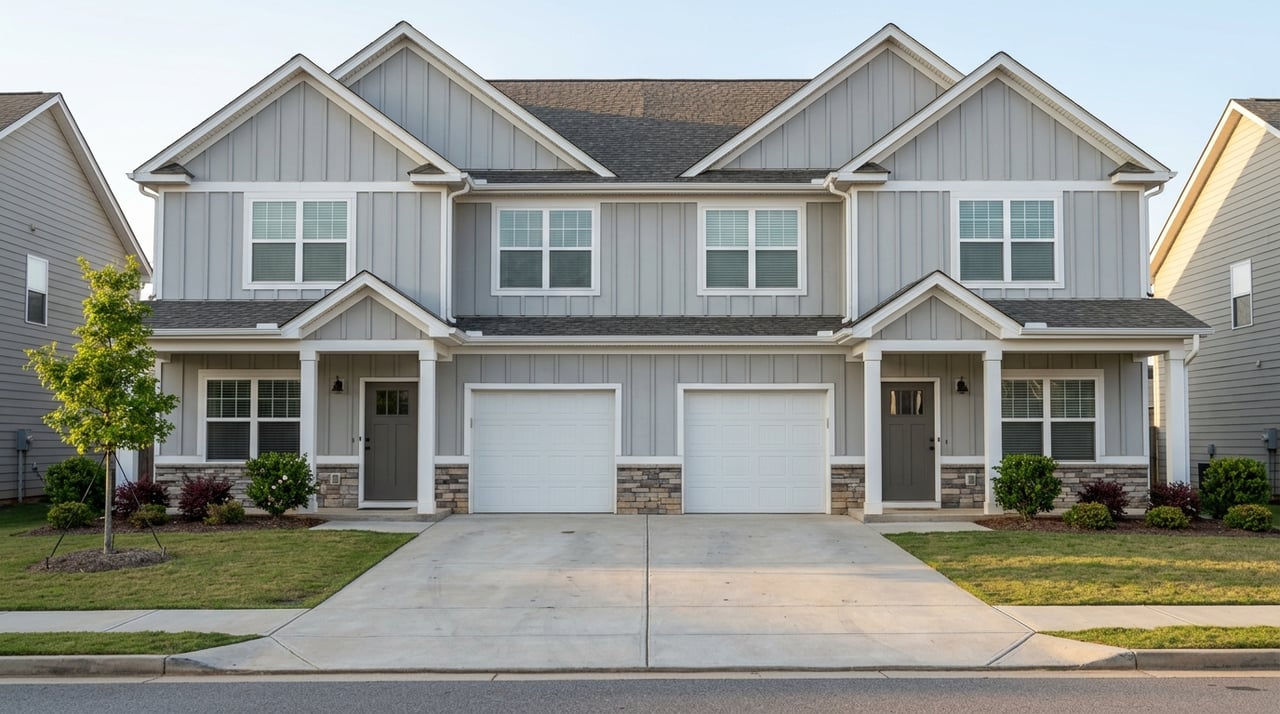
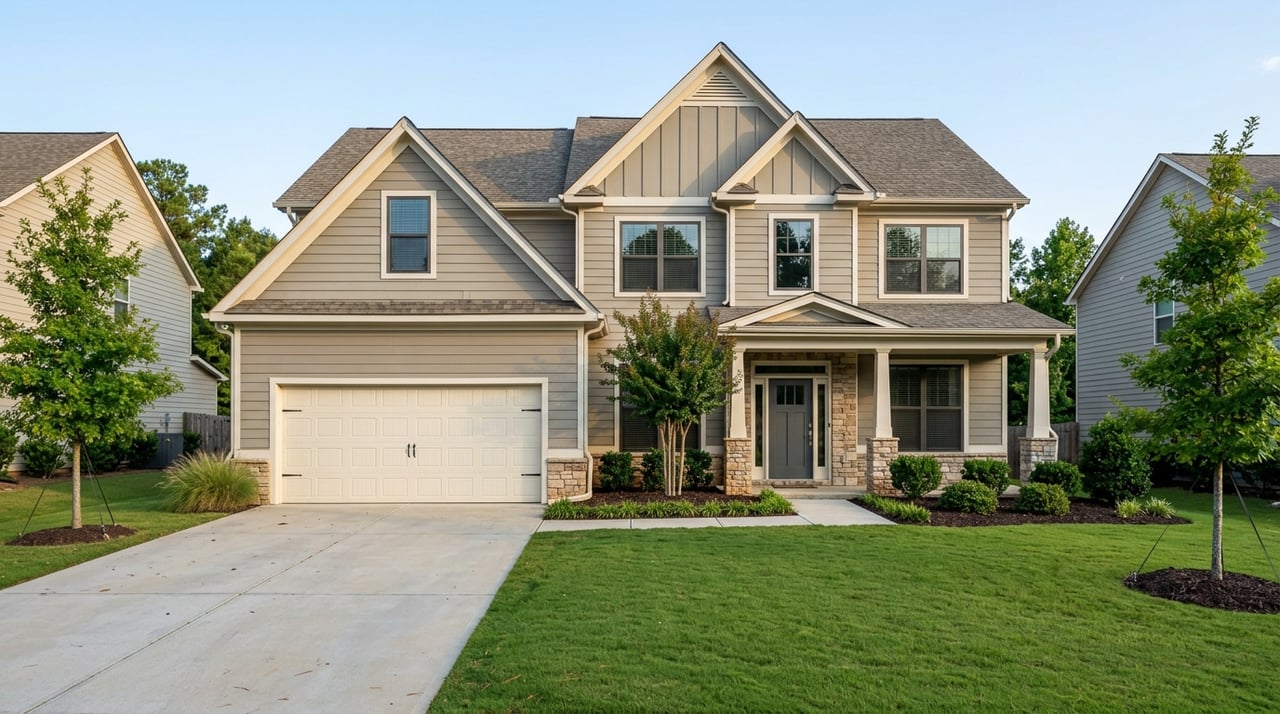
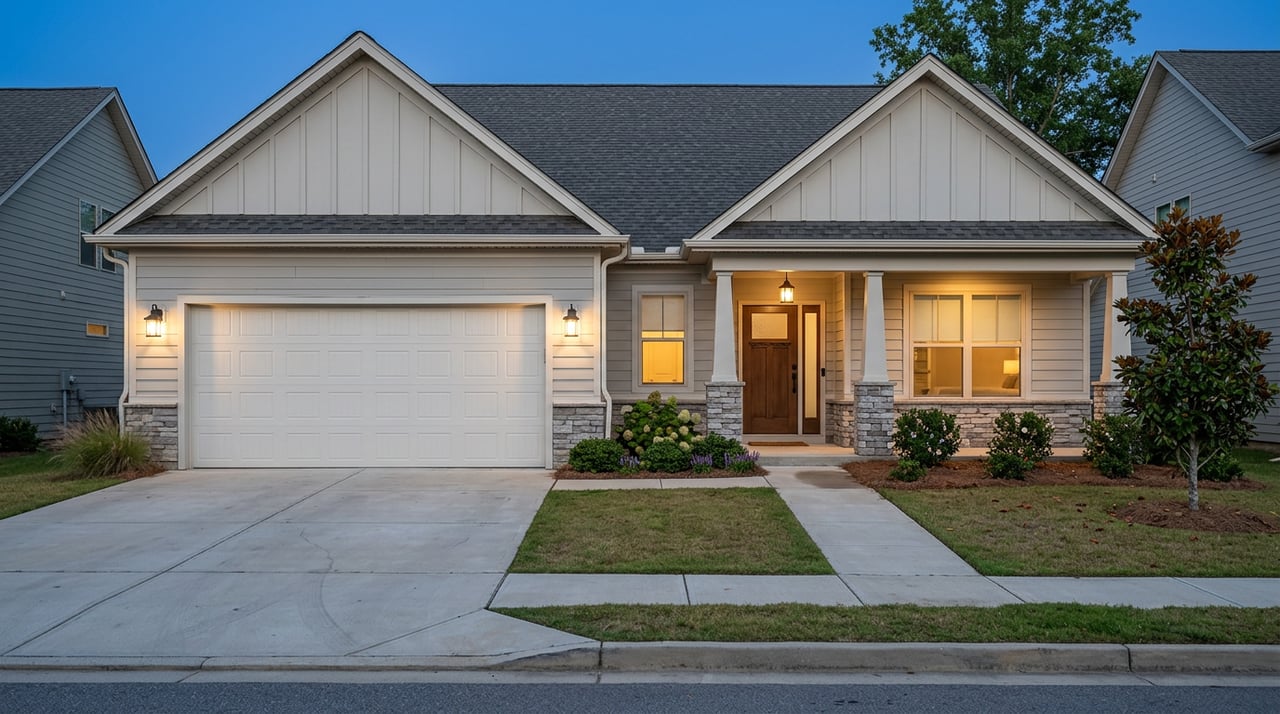
Cumberland County is the primary off-post market for service members and civilian staff assigned to the installation. You will find a wide range of homes, from established neighborhoods close to gates to newer subdivisions a bit farther out. Prices are generally moderate compared with larger metros, which helps out-of-state buyers compete even when they cannot tour in person. The key is focusing on commute gates, resale potential, and a plan for remote closing logistics.
Gate selection matters. Traffic builds during PT hours and shift changes, so a route that is 10 minutes at noon can be 30 minutes at 0700. Use these examples to frame your search, then confirm drive times to your expected gate during likely commute windows.
Most of your purchase can happen from anywhere with a solid plan and a local team. Offers and disclosures are commonly signed electronically with secure platforms, which is legally supported by federal E‑SIGN and state UETA principles when all parties consent. For documents that require notarization, North Carolina has a remote electronic notarization framework that allows registered notaries to notarize documents online if specific identity and security steps are followed. Review the state’s framework in the enacted law on remote electronic notarization and electronic notaries. See the statute summary at the North Carolina General Assembly site.
Cumberland County’s Register of Deeds sets recording standards and accepts documents that meet its requirements. Confirm early whether your title company and the county will accept electronically notarized deeds or require a wet‑ink original. Title companies regularly guide this, but it is smart to verify. Review local recording rules at the Cumberland County Register of Deeds.
If a fully remote closing is not possible for a specific document, your title company can often arrange a mail‑away closing or a limited in‑person signing near you. Many buyers also use a power of attorney when travel is not possible. Lender and title policies vary, so build that conversation into your timeline. For a helpful overview of remote notarization practices, read this legal summary of remote electronic notarization in North Carolina from JD Supra.
Schedule your standard inspections during the due‑diligence period. For well and septic homes, ask for separate septic evaluations and water testing where appropriate. If you cannot be present, have your inspector or agent conduct a live video walk of the property so you can see details in real time. For any negotiated repairs, arrange an independent re‑inspection before closing to confirm completion.
Consider escrow holdbacks for critical repairs that cannot be completed before closing, or require contractor receipts and proof of completion. Videotaped final walkthroughs within 24 to 48 hours of closing help catch last‑minute issues and protect your move‑in timeline. For added background on remote purchase practices for military families, see this guide from AHRN.
Your orders and report date drive everything. Align your home search, offer, and closing targets with your unit and the gaining‑station housing and finance offices. Temporary Lodging Expense or Allowance and other PCS entitlements can help bridge short gaps between closing and household goods delivery. For complete rules and definitions, consult the Joint Travel Regulations from the Department of Defense. Access the current JTR here: Joint Travel Regulations PDF.
VA loans are widely used in this market. Start with a lender experienced in VA closings and remote signings. Ask early about power‑of‑attorney requirements, identity checks, and any limits on remote notarization. If you do not already have your Certificate of Eligibility, many VA‑approved lenders can retrieve it quickly once you apply. For a concise overview of considerations specific to military moves, review the AHRN guide.
90 to 120 days out
60 to 90 days out
30 to 45 days out
0 to 14 days before closing
Depending on your lender and title company, you may be able to sign all documents remotely through a registered NC electronic notary. In some cases, a few documents will still require in‑person or wet‑ink signatures that you complete via a mail‑away package or at a partner office near you. If you plan to use a power of attorney, provide it to your lender and title company early so they can review the form and confirm acceptance. Keep open lines with the Register of Deeds to ensure recording day goes smoothly. You can review local recording standards anytime at the Cumberland County Register of Deeds.
The Fayetteville and Cumberland County area typically sees moderate price points compared with larger metros. That opens the door to competitive offers without extreme escalation. Because many buyers shop from out of state, sight‑unseen contracts are common, but the best outcomes come from strong inspection plans and clear repair expectations. Focus on commute fit, resale potential, and a home that meets your timeline rather than stretching for features you can add later.
Buying from another state is easier when your agent runs point like a trusted teammate. You get live video tours that focus on commute routes and practical details, clear pricing context, and disciplined negotiation. We connect you with lenders, title partners, and inspectors who are comfortable with VA loans and remote closings, and we coordinate everything from offer through recording so your arrival is smooth. When you are ready to start, reach out to HIVE Realty Group by LPT Realty for a focused, one‑to‑one plan tailored to your orders and timeline.