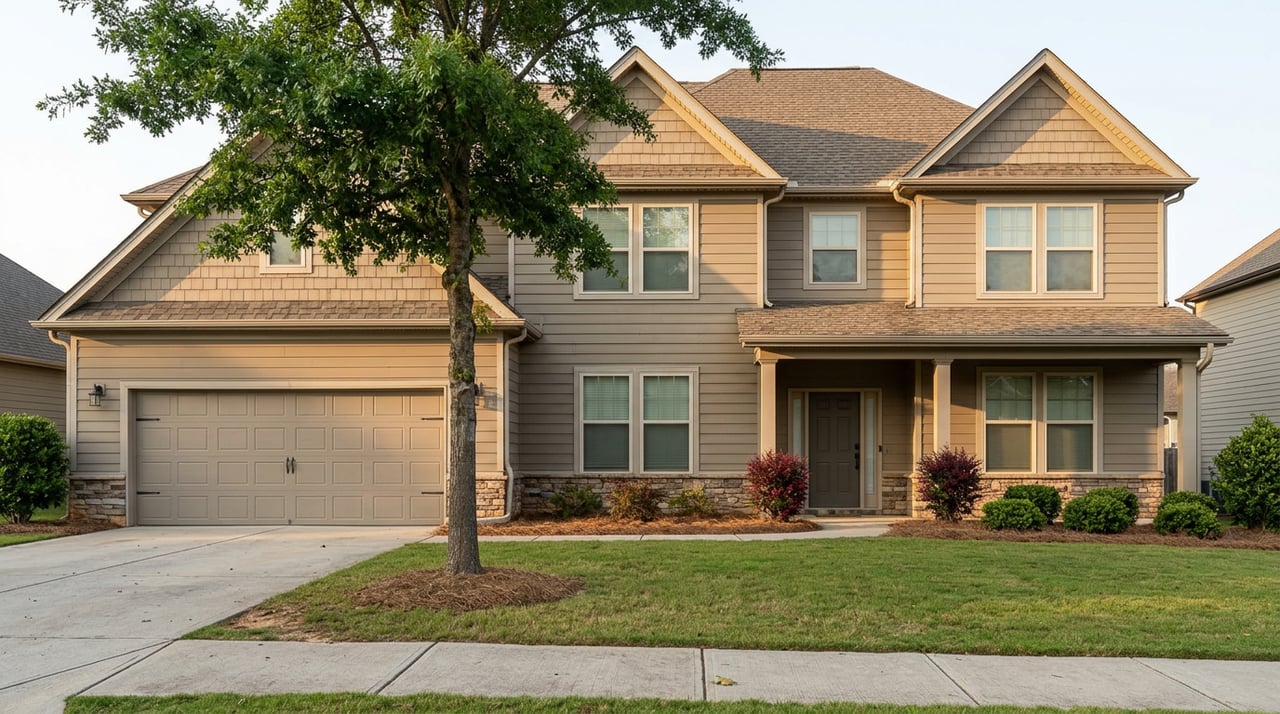
When To Sell Your Home In Harnett County
March 5, 2026
March 5, 2026
Thinking about selling your home in Harnett County but not sure when to make your move? Timing affects how fast you sell, how many buyers show up, and how smoothly you close. You also have your own timeline to consider, whether that is a PCS date, a school-year shift, or a new job. In this guide, you will get a clear plan for the best listing windows, how interest rates change buyer demand, and what a North Carolina sale timeline really looks like. Let’s dive in.
Recent local reports put typical home values in the low to mid 300s, with some sources showing medians around the upper 200s to low 300s depending on methodology. Days on market commonly range from about 61 to 105 days. The takeaway is simple: you should price from neighborhood comparables rather than county-wide averages.
Different data vendors count listings and prices in different ways. Some include new construction and land, others focus on recent closed sales only. These methods create ranges instead of one fixed number. Use a local CMA that compares homes like yours in your exact area.
Harnett is not one uniform market. Areas around Angier, Lillington, Dunn, and Anderson Creek can perform differently based on proximity to Fort Liberty, commute corridors, and local housing stock. The Campbell University area in Buies Creek also shapes demand for some property types, especially rentals and smaller homes. You want pricing and marketing built for your micro-market, not the whole county. For context on the Buies Creek area, review the local profile on DataUSA.
National studies show the strongest buyer activity in spring, with many markets seeing their best seller outcomes from late March through May. ATTOM’s multi-year analysis points to spring as a consistent high-demand window. Harnett County typically follows this pattern. More daylight, better weather for touring, and families planning a summer move all support stronger spring traffic.
The local school year usually begins in mid August, which matters for many buyers who prefer to move before classes start. You can check a recent calendar reference for Harnett County school-year timing here. If moving before the school year is your goal, aim to list in spring so you have time to market, go under contract, and close before August.
If you have flexibility, plan your prep so you can launch in late March, April, or May. Listings in that window tend to attract more showings and, in many cases, sell closer to list price. Condition, price, and marketing still drive outcomes, so use the extra time to line up staging, light repairs, and great photography.
Life happens. If you have a fixed date due to PCS orders, a job transfer, or a new build nearing completion, you can still win. Focus on clean pricing that reflects current competition, strategic staging of key rooms, and a marketing plan that signals a willingness to close quickly. You can also consider a cash-offer path for speed if needed.
Mortgage rates directly affect monthly payments, which changes how many buyers qualify at a given price. When rates improve, more buyers often enter the market. In early 2026, Freddie Mac’s weekly PMMS showed 30-year averages moving toward the high 5 to low 6 percent range, a level that can re-energize demand. Track the latest averages with Freddie Mac’s weekly survey. Broader forecasts also point to a gradually improving environment, with regional affordability differences to watch, as noted by NAR’s recent outlook.
What to do with this: if rates are trending lower and your timeline is flexible, preparing to hit the spring window can help you capture stronger buyer traffic. If your move date is fixed, prioritize a plan that guarantees your timing first, then optimize price within that plan.
A predictable, full-path timeline from planning to keys is often 8 to 12 weeks. Here is how that usually breaks down in Harnett County and across North Carolina.
If you have orders or a known reporting date, work backward and plan to absorb 8 to 12 weeks if possible. For a tighter window, be open to faster paths like a well-priced listing that targets quick-close buyers or a vetted cash offer. For PCS context and area information near Fort Liberty, see PCSgrades’ local guide.
30-day plan:
60-day plan:
90-day plan:
If you plan to buy first, talk with a lender early about options like a bridge loan or a HELOC, and weigh costs against the risk of missing the right home. You can also negotiate a post-closing occupancy (rent-back) on your sale, subject to buyer, lender, and insurance approval.
If you must be out by a certain date, list earlier than ideal and prepare for tradeoffs between price and timing. Consider a pre-listing inspection, transparent disclosures, and clean timelines. A short rent-back can provide buffer days if both sides agree.
Use this simple exercise to decide whether to list now or wait for a stronger season.
Estimate your monthly carrying cost. Include mortgage, taxes, insurance, utilities, HOA, and lawn care. Example: $2,150 per month.
Estimate your likely seasonal benefit if you wait. Use your agent’s CMA and current competition. Example: if you believe waiting could add about 1 percent to a $330,000 sale price, that is $3,300. This is a hypothetical example, not a guarantee.
Compare the two. If waiting two months costs $4,300 in carry and your expected seasonal benefit is $3,300, it may make more sense to list now. If your expected benefit is larger than your carry, and your timeline allows, a spring launch could be worth it.
Add your personal timing. If you have a hard move date, timing wins. If you are flexible, optimize for price and convenience.
Get a neighborhood-level CMA and pick a target window. Spring works well for non-urgent sellers.
Clarify urgency vs. price. Run the carrying cost exercise above and decide whether to wait or list now.
Order a pre-listing inspection if you have older systems or a tight timeline. It helps reduce surprise repairs and keeps deals on track.
Stage the high-impact rooms. Focus on the living room, kitchen, and primary bedroom. See NAR’s staging insights here.
Prepare your North Carolina disclosures early. The Residential Property and Owners’ Association Disclosure and Mineral and Oil and Gas Rights Disclosure must be delivered by the time a buyer makes an offer. If anything changes before closing, update them. Learn more about NC disclosure obligations here.
Align financing with your timing. Cash and strong conventional buyers can often close sooner. VA and FHA loans may add appraisal or property-condition steps, which can extend timelines. See typical VA timelines here.
Consider a rent-back if you need a few days after closing. Put the agreement in writing and confirm lender and insurance rules. Review general guidance on contingencies and occupancy from NAR here.
Use a closing-ready team. Pair your listing agent with a responsive local lender and a reliable NC closing attorney. Typical financed deals close in 30 to 45 days, as outlined here.
Maximize first impressions. Schedule pro photos, keep the yard tidy, and set flexible showing windows in week one to build momentum.
If speed is essential, explore a cash-offer path. A vetted instant offer can deliver certainty and an earlier closing date, which is helpful for PCS or deadline-driven moves.
If you have flexibility, aim for a polished spring launch and price from neighborhood comps. If you are on a deadline, build a timeline that protects your date first, then optimize price and terms. Watch weekly mortgage-rate trends, prep thoroughly, and stay proactive about disclosures and logistics. With the right plan, you can sell on your schedule and with confidence.
Ready to map your best timeline and explore both traditional and instant-offer options? Connect with HIVE Realty Group by LPT Realty for a neighborhood-level strategy and a clear path to your next move.