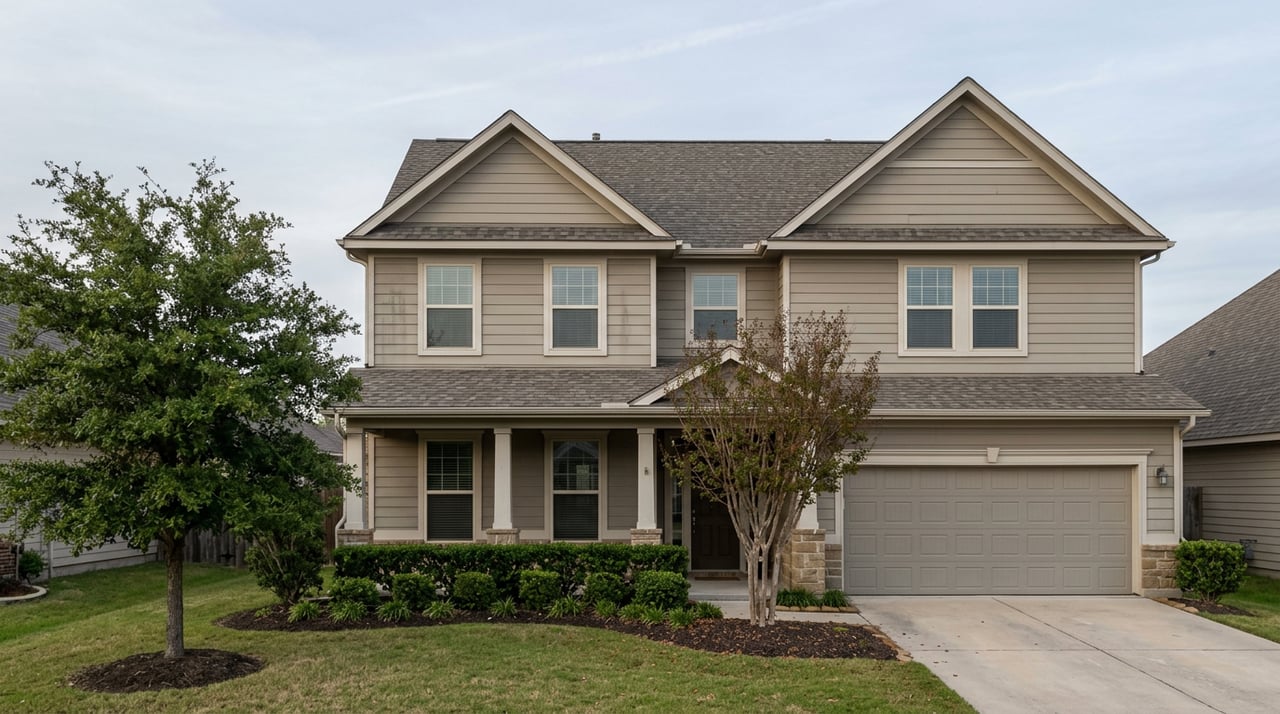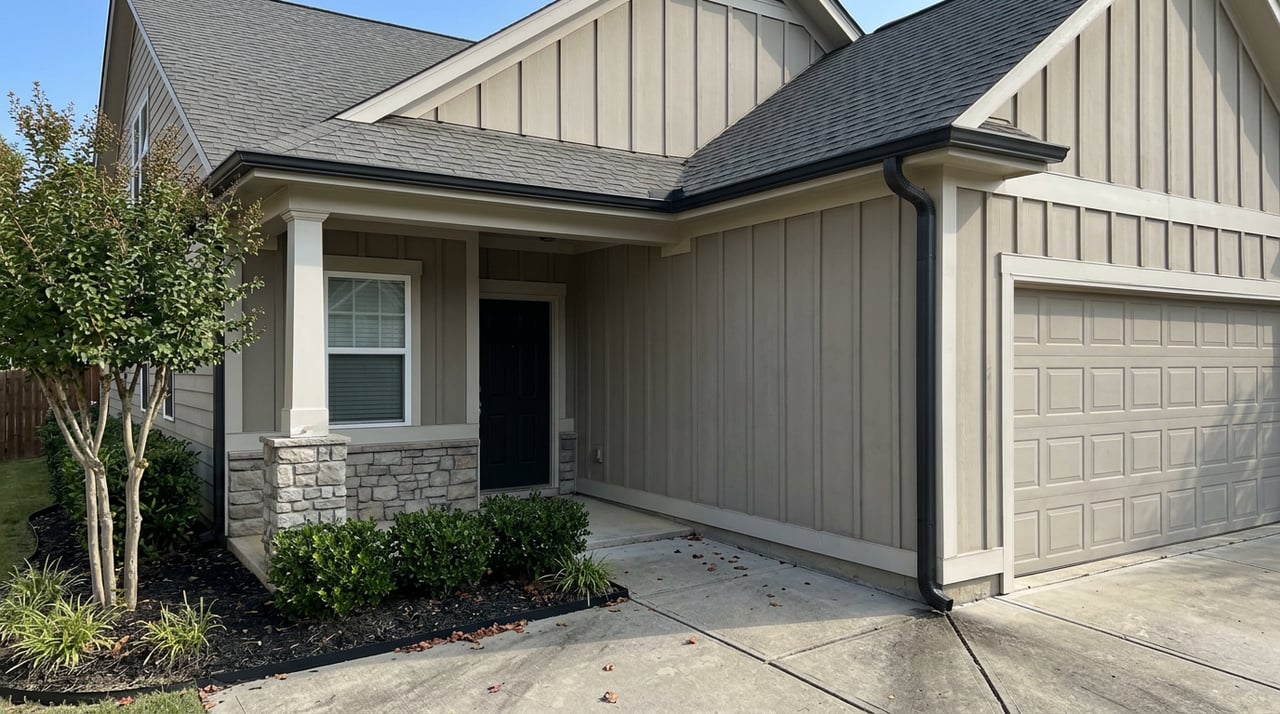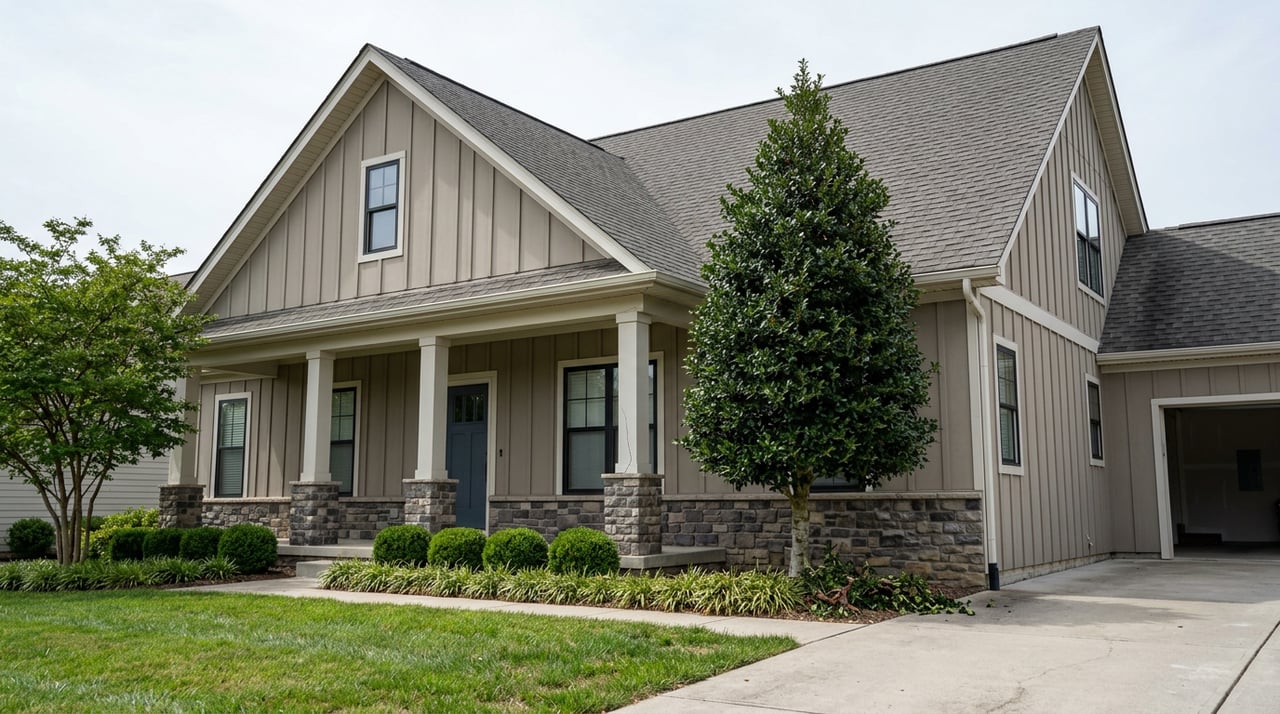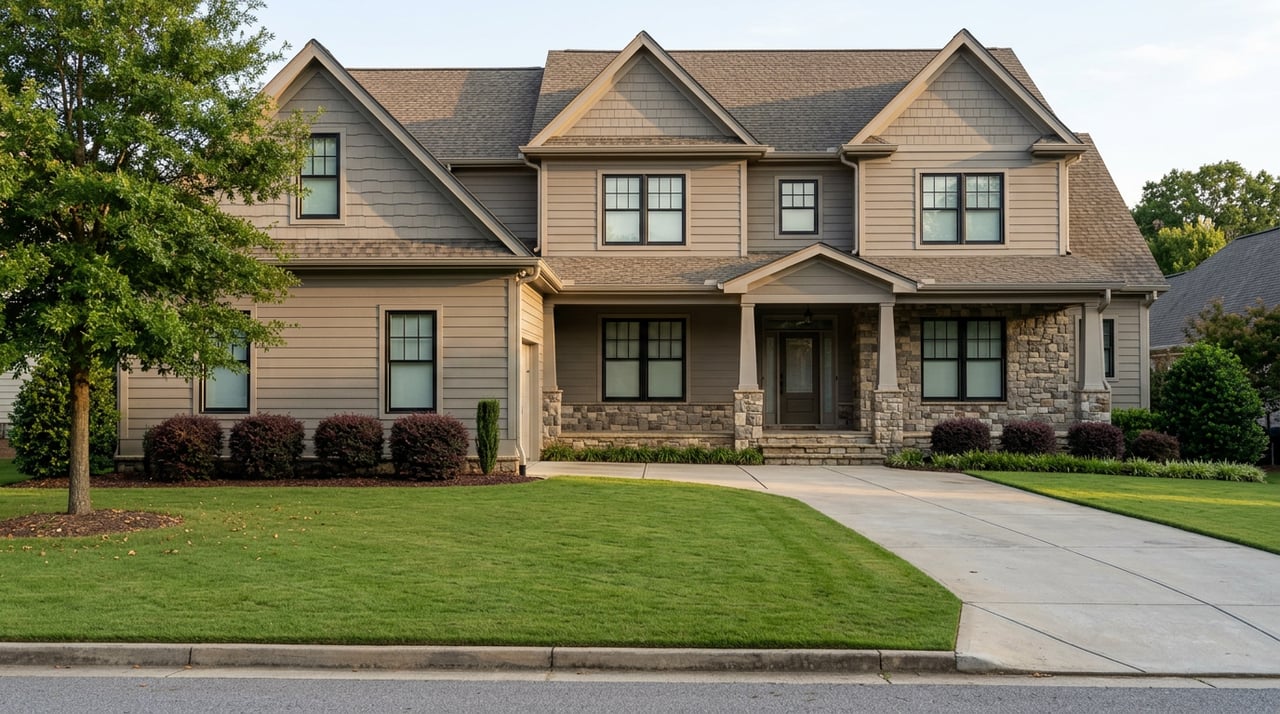
New Construction in Moore County NC: What to Know
March 26, 2026
March 26, 2026
Building a home in Moore County sounds exciting until you hit your first decision: do you buy new construction or go resale and renovate later? You want a clear plan, real local details, and a partner who can keep things on schedule. In this guide, you’ll learn how new builds work here, what permits and timelines to expect, how builder contracts and upgrades impact your budget, and how to protect your investment with inspections and warranties. Let’s dive in.
Moore County’s growth centers on the Pinehurst–Southern Pines–Aberdeen area, with many new neighborhoods designed for the Sandhills lifestyle. You’ll find a mix of production communities, semi-custom offerings, and custom homes on individual lots. Expect added layers of review in planned communities and private associations that use architectural guidelines and recorded covenants.
Before you commit to a lot, verify who has jurisdiction. Some addresses fall under village or town rules, while others are in unincorporated county areas. That affects permits, inspections, and timelines. Start by confirming requirements with the county Planning and Inspections office and the municipality where the lot sits, then request any HOA or architectural review board documents early so you know the rules before you design.
Most projects follow a predictable sequence:
County checklists outline what is typically required at each stage, including site plans and lien agent details. Review the county’s residential permit packet to understand documents and milestones upfront. You can find the packet and process details in the county’s published resources on permits and inspections.
If your lot needs a septic system or a private well, you will work with Environmental Health for site evaluation and an improvement permit before certain building permits can be issued. Budget time and fees for soil work and design. For the full permit and inspection process, including plan review steps and scheduling requirements, use the county’s official permit application packet and follow its checklists closely. Those documents spell out prerequisites such as erosion control approvals and flood elevation certificates.
Timelines vary by builder type and site conditions. National industry medians suggest production or spec homes usually take about 4 to 8 months after permits are issued. Semi-custom builds often add a month or two. Fully custom homes commonly run 9 to 15 months or more, depending on scope and selections. Local factors that can extend schedules include septic design and approval, clearing and grading on wooded lots, community architectural review cycles, and seasonal weather.
Ask every builder for two dates in writing: permit-to-foundation and foundation-to-certificate of occupancy. Add a buffer for weather, inspections, and selection delays.
Builders often use their own purchase agreements rather than the standard North Carolina resale form. Expect staged deposits, deadlines for mortgage approval, and detailed language about options, allowances, and change orders. Some communities require an initial earnest or reservation deposit and a separate options deposit when you make selections. Change orders after you sign usually cost more and can delay the schedule, so know the cutoff dates for locking in choices.
Tip: Get every incentive and deadline in writing on the contract addenda. Clarify which incentives require using the builder’s preferred lender and what happens if closing dates shift.
Lender appraisals rely on comparable recent sales. If your home has upgrades beyond what nearby buyers expect, the appraisal may not reflect the full cost of those choices. To protect resale value and budget, prioritize structural or systems items that are costly to retrofit later, like additional electrical capacity, larger HVAC, or a third garage bay. Save purely aesthetic upgrades for later if you need flexibility.
Spec or quick-move-in homes typically finance like a standard resale at closing. For custom or owner-built projects, many buyers use a construction-to-permanent loan, which combines the build phase and final mortgage into one closing. Lenders usually release funds in draws after staged inspections. Get pre-approved for the exact construction product you plan to use, and confirm that your builder meets lender requirements.
County inspectors focus on code compliance, not cosmetic quality. Hiring a third-party home inspector at key milestones helps you catch issues early and document them for warranty claims. Recommended stages include:
Pre-slab or pre-pour for foundations
Pre-drywall during framing and rough-ins
Final inspection before closing
An 11-month inspection before the one-year workmanship warranty ends
For a practical outline of multi-phase new-construction inspections, review this guide: Recommended inspection stages
Many builders offer a “1-2-10” style warranty: one year on workmanship, two years on major systems, and up to ten years of limited structural coverage. Coverage limits, claim steps, and response timelines vary, so read your warranty carefully and keep dated photos, emails, and inspection reports.
Follow the builder’s warranty claim process to the letter and keep a record of all communications. If you do not receive a response or resolution, you can verify the builder’s license and submit a complaint with the North Carolina Licensing Board for General Contractors. County inspections staff can also help when code or permit items are involved.
Use this quick framework to decide if new construction fits your budget and timeline:
If a new build in Moore County is on your radar, get your timeline, budget, and contract terms locked in before you fall in love with a floor plan. You deserve a clear path from permit to punch list with no surprises. When you are ready, we will walk you through communities, builder options, and negotiation points that protect your time and money.
Reach out to HIVE Realty Group by LPT Realty to compare new construction and resale options, map your build timeline, and start smart.