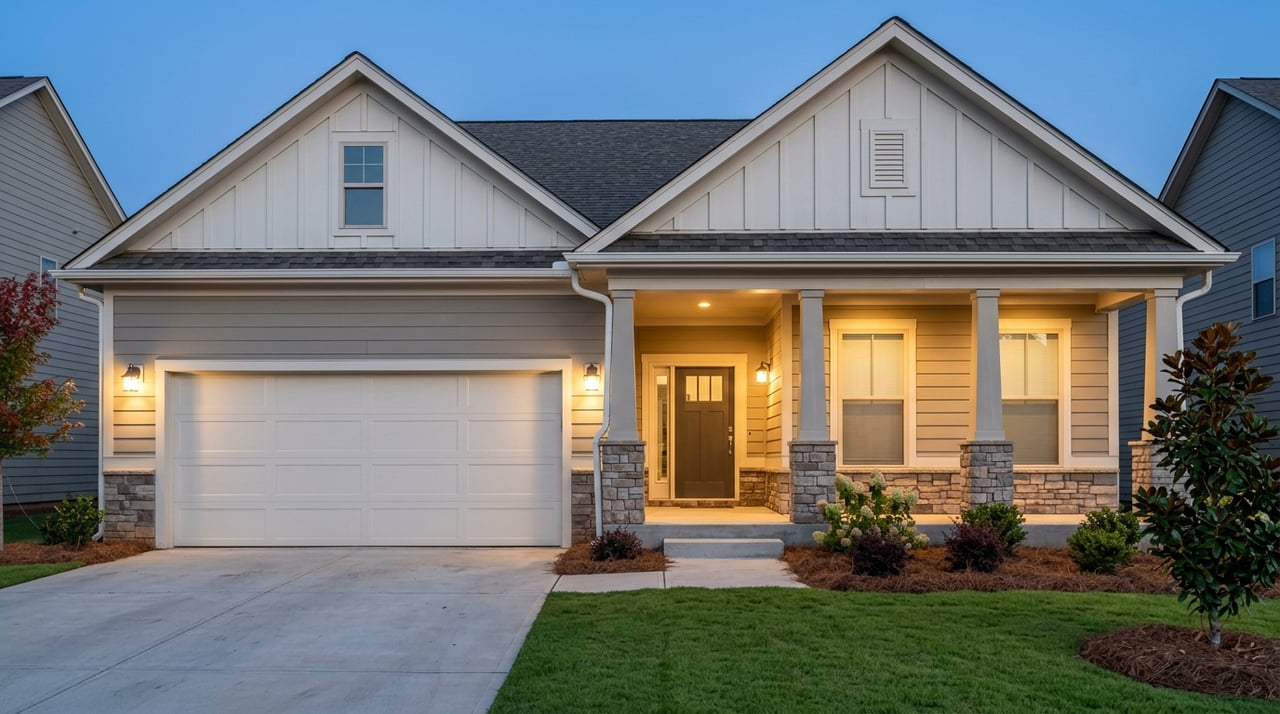
Offer To Closing Timeline In Harnett County
June 25, 2026
June 25, 2026
Buying or selling a home in Harnett County can feel like a race against the calendar once your offer is accepted. You want clear deadlines, fewer surprises, and a realistic sense of when you might actually get to the closing table. The good news is that most North Carolina transactions follow a familiar path, and when you understand that path, you can plan with more confidence. Let’s walk through what the offer-to-closing timeline usually looks like in Harnett County.
In many financed home purchases in North Carolina, a common planning range is about 30 to 45 days from accepted offer to closing. Some transactions move faster, while others can stretch closer to 60 days depending on financing, repairs, appraisal timing, and contract terms.
In Harnett County, that general timeline still applies, but your exact dates will depend on the contract you sign. The biggest thing to know is that the first half of the transaction tends to be front-loaded with inspections, lender steps, and title work, while the last stretch becomes more document-heavy.
North Carolina handles contracts a little differently than some other states. In most residential transactions, the standard contract uses a due diligence period instead of a traditional inspection contingency.
That means you, as the buyer, usually have a negotiated window of time to investigate the property, complete inspections, review financing, and decide whether to move forward. During that period, a buyer may terminate for any reason or no reason, based on the contract terms.
The due diligence fee is typically paid directly to the seller by the effective date. If the sale closes, that fee is usually credited to the buyer at closing. If the contract ends before the due diligence period expires, earnest money is usually returned, but the due diligence fee is generally not.
This structure makes the early part of the transaction especially important. If you wait too long to schedule inspections or review issues, you can run out of time before key deadlines arrive.
Once both sides sign and the contract becomes effective, the timeline starts. This is the day when the due diligence fee is delivered to the seller, earnest money is placed in escrow, and the closing attorney is typically engaged.
Because North Carolina closings are attorney-supervised, the attorney plays a major role from the start. A North Carolina-licensed attorney generally handles title review, closing documents, recording, and disbursement.
For buyers and sellers alike, this first day sets the tone. Fast communication and clean paperwork can help keep everything on schedule.
The first week is often the busiest part of the deal. Buyers usually begin scheduling the home inspection and any specialty inspections that may be needed based on the property.
At the same time, the lender starts processing the loan and appraisal steps. The closing attorney begins title review to look for issues that need to be cleared before closing.
This is why a well-planned due diligence period matters. It should be long enough to cover inspections, repair talks, appraisal timing, and loan qualification.
After inspections are completed, buyers review the findings and decide what to do next. Depending on the results, you may ask for repairs, request a credit, or move forward as-is.
This part of the timeline often involves negotiation. If new issues come up and more time is needed, a written extension can be requested, but the seller does not have to agree.
Meanwhile, the lender is moving the file through underwriting. The appraisal may be completed during this period, and the lender may ask for more documents or explanations before issuing final approval.
Some Harnett County properties need extra attention, especially when private wells or septic systems are involved. County environmental health and permitting processes show that these systems are common enough locally to require dedicated applications and documentation.
If inspection results point to repairs, missing permits, or follow-up questions about private water or wastewater systems, your timeline may need more coordination. That does not mean the deal is in trouble, but it can mean more moving parts.
Harnett County permitting hours also matter if repair work needs county follow-up. Central Permitting handles permits and payments Monday through Friday from 8:00 a.m. to 4:30 p.m., inspections run Monday through Friday from 7:30 a.m. to 4:00 p.m., and next-day inspections must be scheduled by 3:00 p.m. the day before.
That schedule can affect how quickly a repair or permit issue is resolved. In a tight transaction, even one missed scheduling window can push the closing date.
As closing gets closer, the lender must provide the Closing Disclosure at least three business days before closing. This document outlines the final loan terms, projected payments, and closing costs.
You should compare it carefully with the earlier Loan Estimate and ask about any changes. If a major loan term changes, a new Closing Disclosure may restart that review period and delay closing.
This is one reason the final week can feel paperwork-heavy. Even when the major decisions are already made, the file still needs careful review.
A final walkthrough is typically done about 24 to 48 hours before closing. This gives the buyer a chance to confirm the property is in the agreed condition.
It is also the time to verify that any agreed repairs were completed and that the seller has moved out if the contract calls for possession at closing. This step is simple, but it matters.
Closing day usually involves a signing appointment that can take a few hours. The buyer signs loan documents and transfer paperwork, and the attorney handles recordation and disbursement.
In Harnett County, the deed is recorded with the Harnett County Register of Deeds in Lillington. Because recording and local office hours can affect same-day timing, it helps when everyone is prepared and responsive before the appointment begins.
For most buyers, the home purchase closing and mortgage closing happen at the same time. Once documents are signed, recorded, and funds are disbursed, the transaction is complete.
If you are buying in Harnett County, your best move is to treat the due diligence period like a working deadline, not extra breathing room. The earlier you schedule inspections and respond to lender requests, the more options you keep open.
Here are a few smart ways to protect your timeline:
Sellers also play a major role in keeping a transaction on schedule. Quick responses to repair requests, document requests, and attorney questions can help prevent unnecessary delays.
If your property has a well, septic system, or permit history that may need clarification, gathering that information early can save valuable time. A delay is not always caused by one big problem. Often, it is a series of small unanswered questions.
For time-sensitive sellers, especially those trying to line up a move or close quickly, a disciplined timeline matters. That is where clear communication and strong transaction management can make a real difference.
The easiest way to understand the Harnett County closing timeline is this: the first half is about investigation and approval, and the second half is about documentation and execution. If the early steps are handled quickly, the final stretch is usually much smoother.
Most deals do not fall apart because 30 to 45 days is too short. They get stressed when inspections, repair talks, lender conditions, or county-related follow-up are delayed during the due diligence window.
If you want a steady hand through the process, local guidance matters. Whether you are buying your first home, relocating on a tight schedule, or selling with timing in mind, HIVE Realty Group can help you move through each step with clarity and confidence.