Why Your Closing Date in Hoke County Might Depend on a Phone Call You Haven't Made Yet
September 17, 2026
September 17, 2026
You signed a contract on a new build in Hoke County. Your lender quoted a closing window. Your loan officer talked you through the appraisal timeline. Nobody mentioned the other clock running underneath all of it, the one that starts with a soil scientist walking your lot and doesn't care what date is printed on your purchase agreement.
That clock belongs to the septic permit. And in a county where most new construction still runs on well and septic rather than public sewer, it is often the thing that actually decides when you get your keys, not your financing.
North Carolina overhauled its septic rules on January 1, 2024, replacing decades-old standards with a unified code that every county health department now enforces the same way, at least on paper. Under that framework, no septic system in the state gets built without three separate permits issued in sequence.
The Improvement Permit comes first. A licensed soil scientist or county environmental health officer evaluates the lot, and the permit confirms the ground can support a system and specifies what kind. It's good for five years, which matters if you're buying raw land and not building right away.
The Construction Authorization comes next. This is the actual building permit for the septic system itself, tank size, drain field layout, every component specified against the soil data from the Improvement Permit. Nothing gets installed before this is issued.
The Operation Permit closes the loop. A county inspector confirms the finished system matches what was authorized, and for standard systems that permit never expires. Only advanced treatment systems need renewal, and that's typically every five years.
Three permits, one sequence, no skipping steps. That part is the same whether you're building in Hoke County or anywhere else in the state.
Here's where it gets local. Hoke County's Environmental Health division handles wells and septic tanks through Central Permitting, and the process is refreshingly analog. You place an orange card issued by the county on the property where it's visible from the road, then you call a specific line to confirm you're ready for the soil evaluation. If the site isn't prepped when the inspector shows up, a re-inspection costs sixty dollars, and you're back in the queue.
What Hoke County doesn't do, unlike some of its neighbors, is publish a current wait time. Johnston County posts its septic and well response time right on its environmental health page, five weeks or less as of July 2026. Hoke County gives you a phone number and asks you to call between 8 a.m. and 5 p.m. That difference sounds small. For a buyer on a contract with a due diligence deadline, it is the difference between a known variable and a guess.
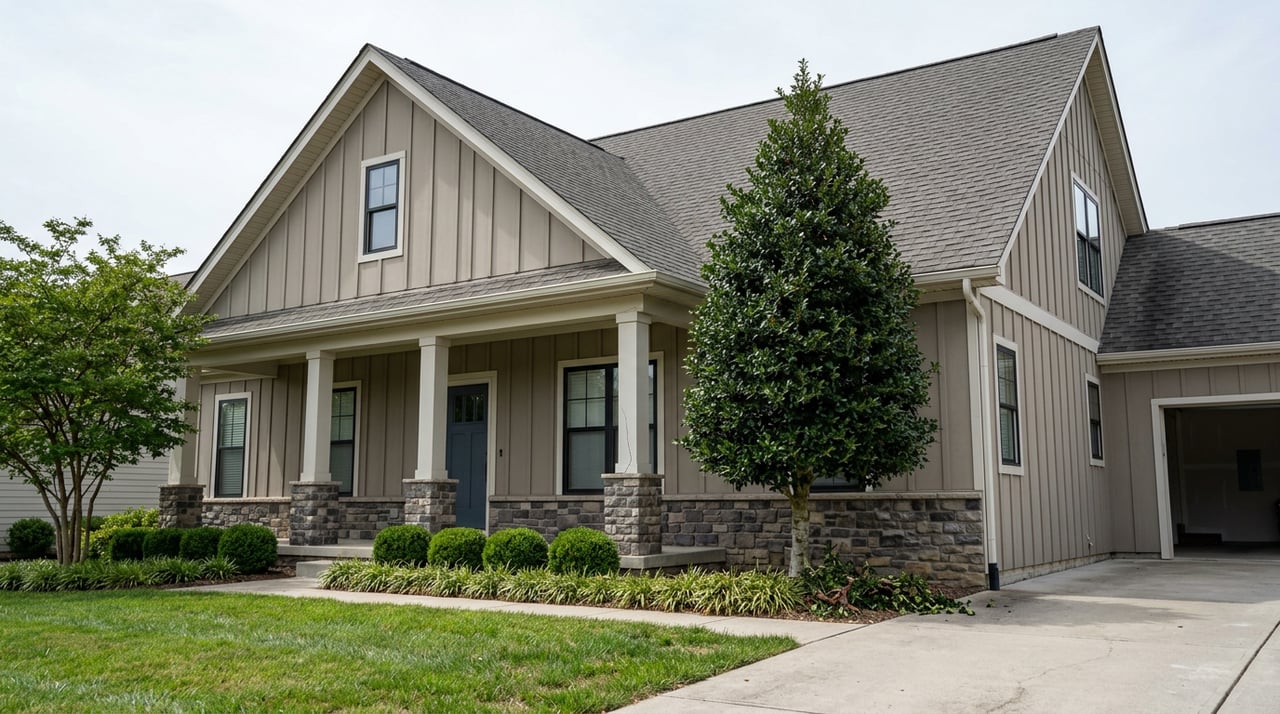
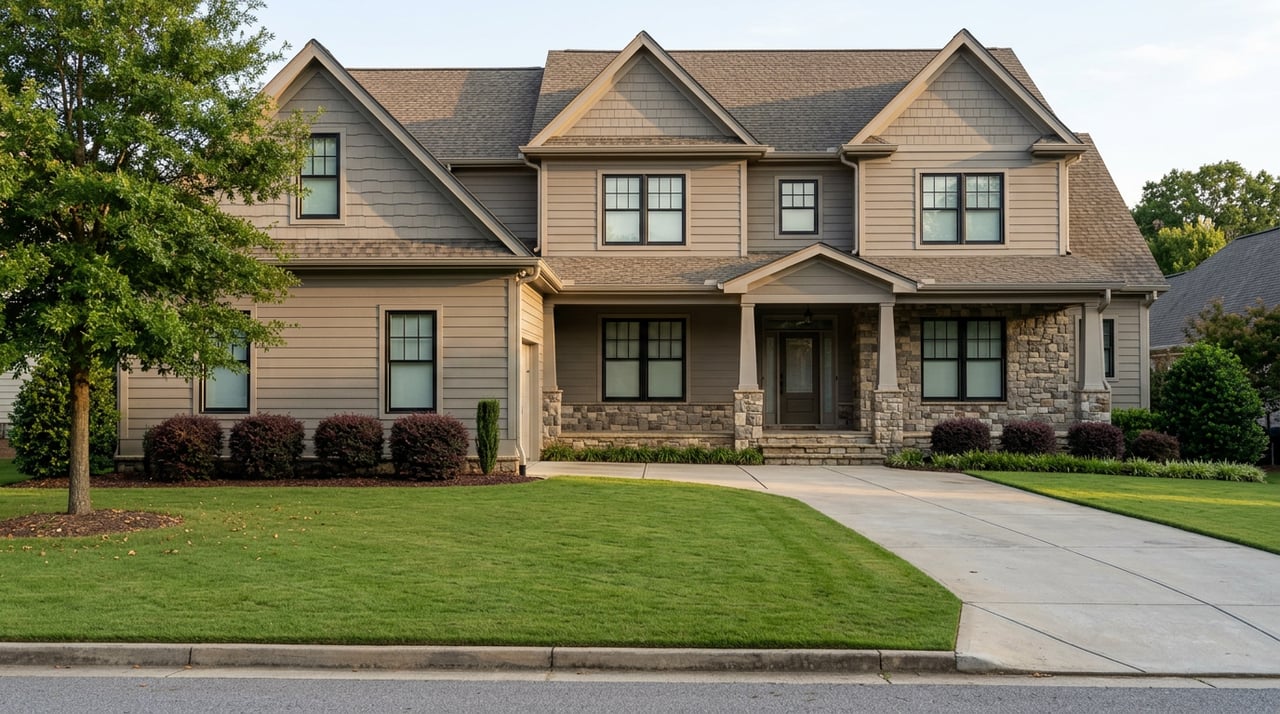
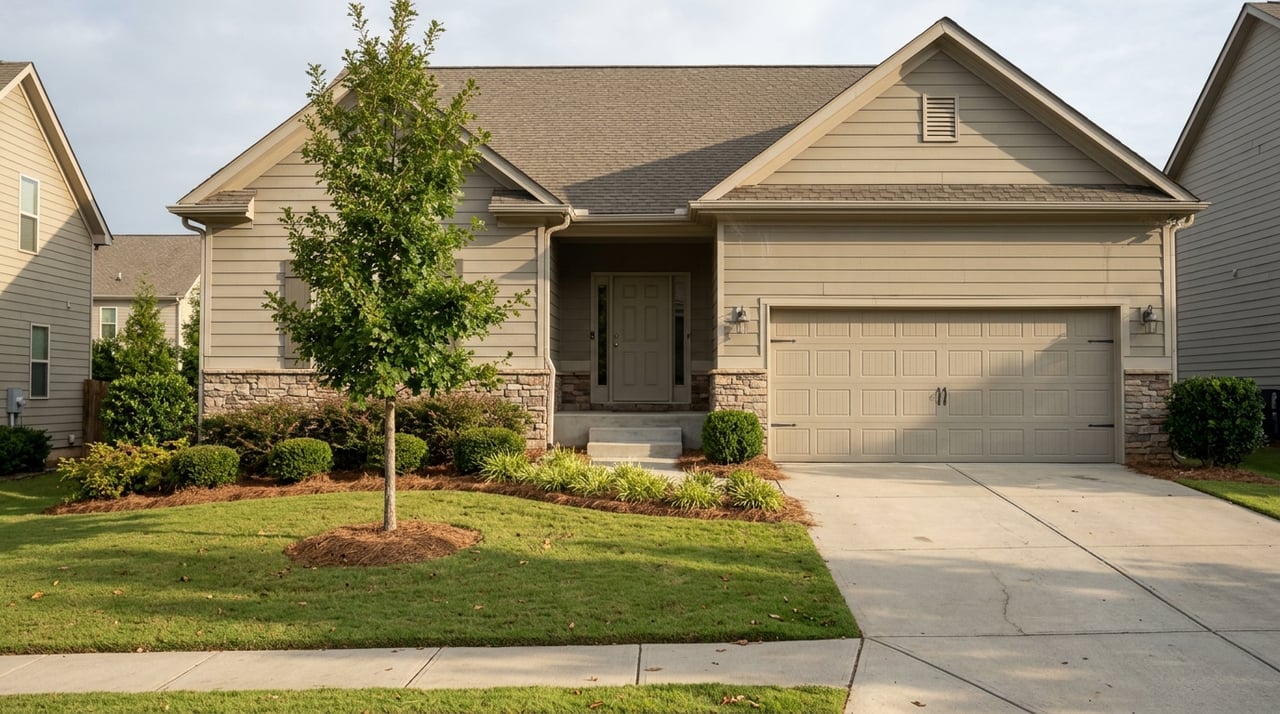
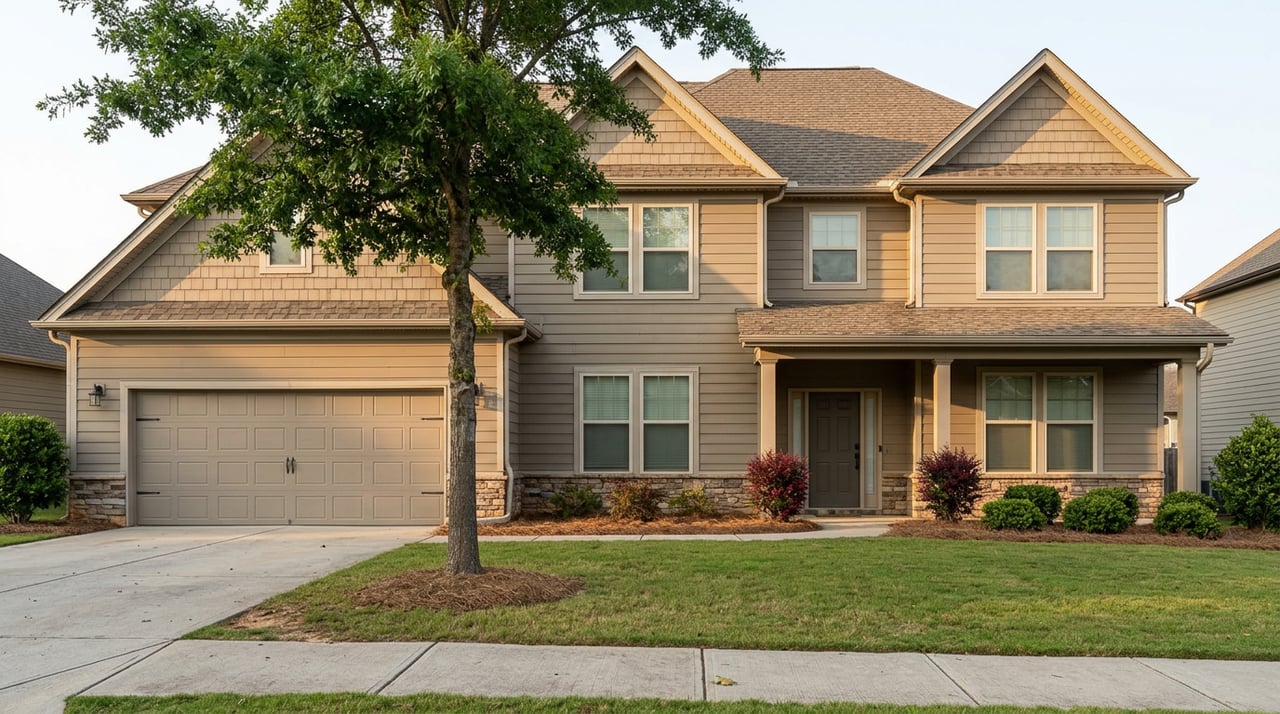
This matters more in Hoke than in a lot of counties because of scale. The county's own sewer system serves just over 1,400 residential and commercial customers total. That's a small number for a county with active new construction happening right now, at Shahbain Reserve in Raeford, where D.R. Horton is building floorplans like the 2,804-square-foot Hanover and the 2,511-square-foot Hayden, and at Wood Lake II, where JK Builders is offering a 2,100-square-foot Serenity plan. If you're touring either of those communities, or any new subdivision outside Raeford's town limits, the honest first question isn't the school district or the granite. It's whether the lot is on county sewer or on a private septic system, because that answer determines which clock you're actually racing.
| Step | Who handles it | What can slow it down |
|---|---|---|
| Improvement Permit | County soil evaluation, or a private Authorized On-Site Wastewater Evaluator | Waiting in the county's queue versus paying $300 to $800 for a private AOWE, which can shave four to six weeks off the front end |
| Construction Authorization | Licensed onsite wastewater system designer, county reviews | Design has to match the soil conditions from the Improvement Permit exactly, or it needs a new review |
| Operation Permit | County inspector, final sign-off | Re-inspection fees if the site wasn't ready for the first visit |
If you're using VA financing, and a meaningful share of Hoke County buyers are, the well and septic add a second layer that runs parallel to the permit sequence.
VA loans always require a water quality test on a private well, checking for bacteria and coliform, and that result is only good for 90 days. The VA appraiser also does a visual check of the septic area, looking for surfacing effluent, standing water over the drain field, or unusually lush vegetation. A full septic inspection isn't automatic, it only gets triggered if the appraiser sees something concerning, though many lenders require one anyway on rural properties regardless of what the appraisal turns up.
On distance, there's a detail worth getting right rather than repeating loosely. The VA does not publish its own fixed separation requirement between a well and a septic system. It defers to whatever the state or county health department requires. North Carolina's standard generally falls in the 50 to 100 foot range depending on soil conditions and system type, and older properties built before current rules existed sometimes fall short of it, which can mean a variance request or, in rare cases, relocating a well. If you hear someone state a flat 100 foot VA rule as federal law, treat that as shorthand for the common local standard, not a national mandate.
None of this should scare you off a well-and-septic property. Most of Hoke County runs this way, and the systems work fine when they're sized and installed correctly. It just means the smart move happens before you write the offer, not after.
Ask whether the lot already has an active Improvement Permit. If it does, you've skipped the longest and least predictable part of the process. Ask whether the builder used a private AOWE for the soil evaluation or is waiting on the county, since that answer alone can be a four to six week swing. And build your due diligence period around the honest answer, not the optimistic one. North Carolina's due diligence period starts on your contract's effective date and covers your inspections, appraisal, title work, and financing. If you terminate before closing without a seller breach, your due diligence fee is usually at risk. Getting the septic timeline into that conversation early, alongside your water test and appraisal, protects both your earnest money and your move-in date.
Does a VA loan require a septic inspection on every property? No. The VA appraiser does a visual check, and a full inspection only happens if that check raises a concern. Many lenders require one anyway on properties without public sewer.
What if my well and septic are closer together than current code allows? This shows up on older properties built before modern separation standards existed. Options include a variance from the local health department, additional water testing, or in some cases relocating a component, all of which take time you'll want to know about before you're under contract.
How do I actually find out Hoke County's current wait time? Call Central Permitting directly rather than assuming a number from a general online guide. The county doesn't post a queue time the way some neighboring counties do, so a phone call is the only current answer that exists.
If you're weighing a lot in Hoke County right now, whether it's a resale on a few acres or a new build at Shahbain Reserve or Wood Lake II, the permit sequence is worth mapping before you fall in love with a floorplan. HIVE Realty Group works these closings across Hoke, Cumberland, and the surrounding counties every week, and we're glad to walk through what your specific lot's timeline actually looks like before you sign anything. Reach out and let's talk through your closing date, the real one.