Renovate Or Sell As Is In Cumberland County
July 16, 2026
July 16, 2026
Wondering whether you should fix up your home or just sell it as is in Cumberland County? You are not alone. In a market where buyers compare price and condition closely, the right choice can affect how fast your home sells and how much stress you carry along the way. This guide will help you weigh both options with local context so you can make a smart, confident plan. Let’s dive in.
Cumberland County is sitting in the mid-$200,000s, but the exact number varies depending on how the data is measured. Recent public snapshots show a median sale price around $255,234, a typical home value near $234,978, and a median listing price around $269,900. Homes are moving anywhere from about 19 days to pending to roughly 49 days on market, depending on the source.
That range tells you something important. This is not a market where every home sells the same way. Pricing matters, and visible condition matters too.
Recent market data also shows some negotiation pressure. The sale-to-list ratio is 98.5%, and 22.6% of homes sold above list price in May 2026. In a balanced, price-sensitive market like this, buyers often compare homes based on how move-in ready they feel.
Local price bands also matter when you decide whether to renovate. Median asking prices have been reported around $180,000 in East Fayetteville, $259,950 in Fayetteville, $298,750 in Hope Mills, and $343,445 in Spring Lake. That means a project that may make sense in one area may be harder to recoup in another.
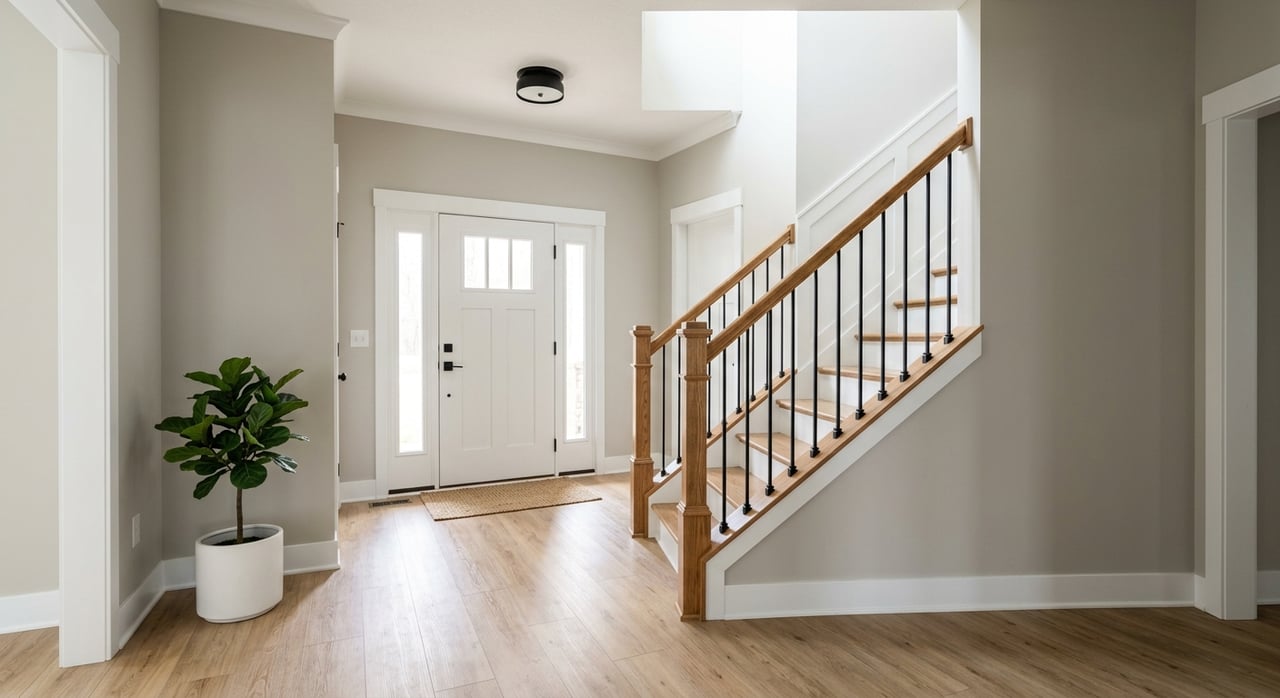
If your home is mostly in good shape and needs cosmetic work more than major repairs, limited updates often make the most sense. In many cases, buyers notice fresh, visible improvements faster than expensive behind-the-scenes upgrades. That can make smaller projects a more practical use of your time and money.
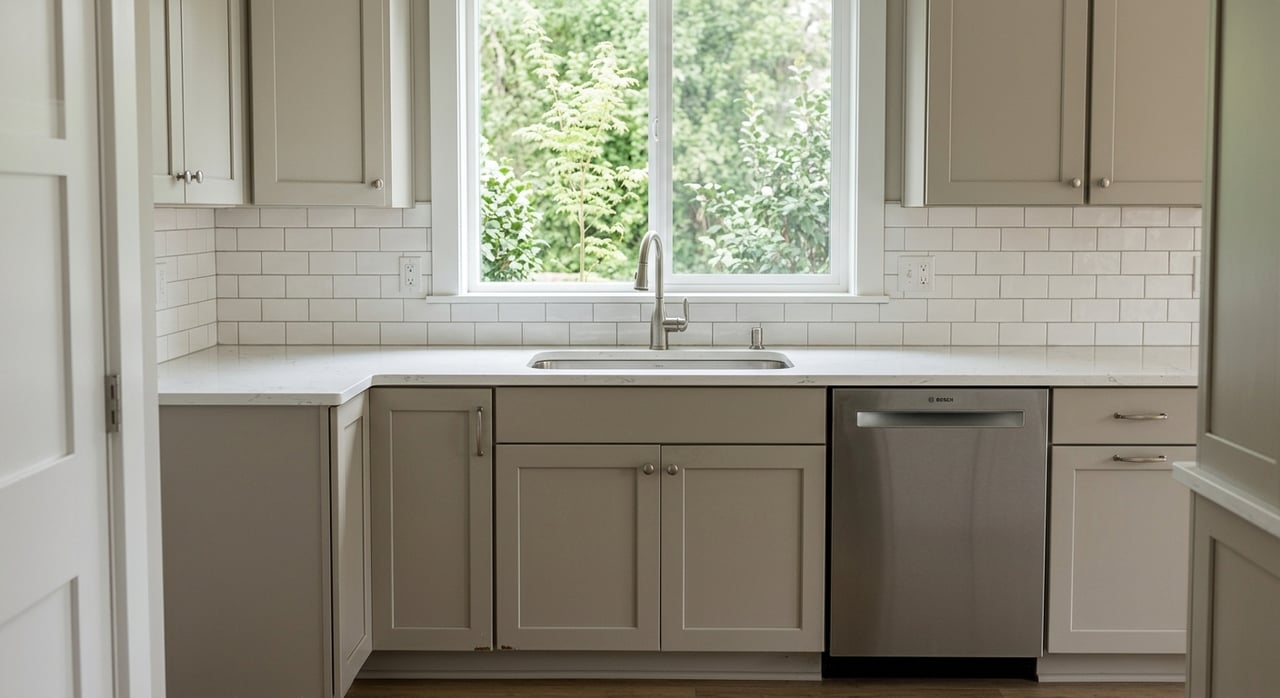
National remodeling data also supports a targeted approach. Projects with stronger resale cost recovery include a new steel front door, vinyl windows, and some minor kitchen improvements, while full kitchen and bathroom remodels tend to return less of the cost. In plain terms, that often means simple, visible updates are the better bet if you plan to list soon.
If you are leaning toward renovation, focus on updates buyers can see right away:
These projects usually help your home feel cared for without pushing you into a long, expensive remodel. They also tend to support stronger first impressions, which matters when buyers are comparing several homes in the same price band.
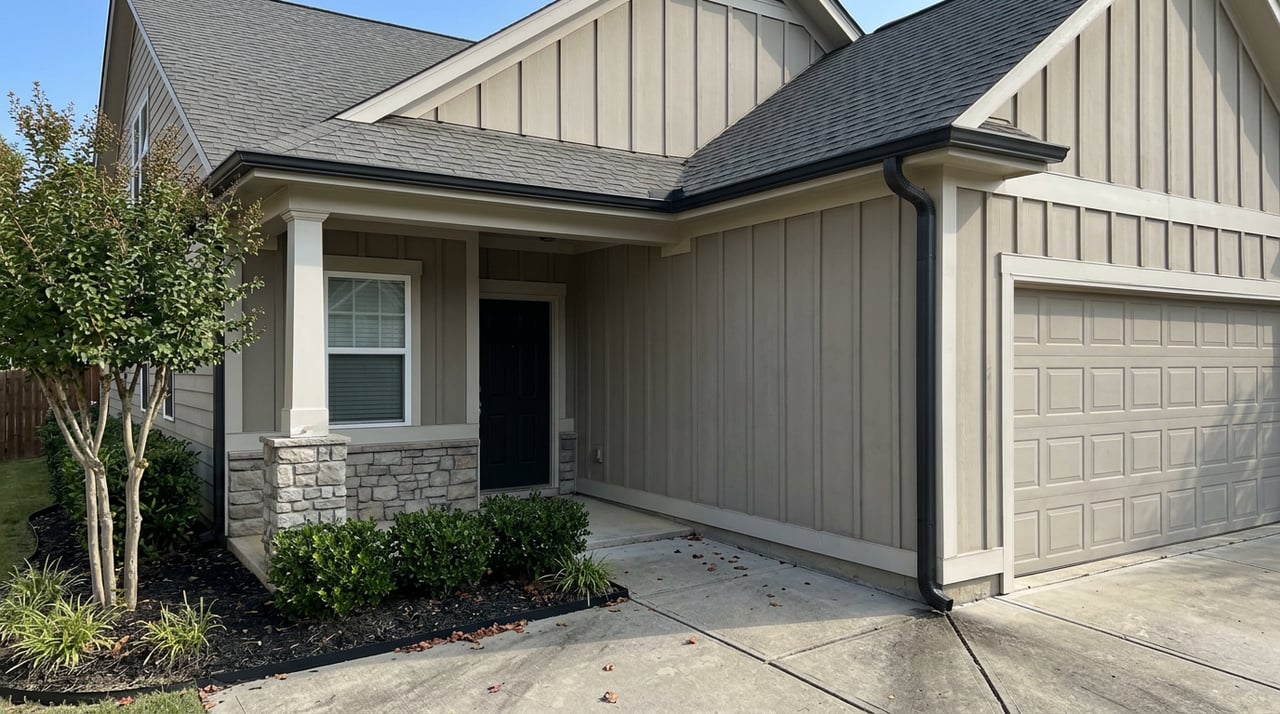
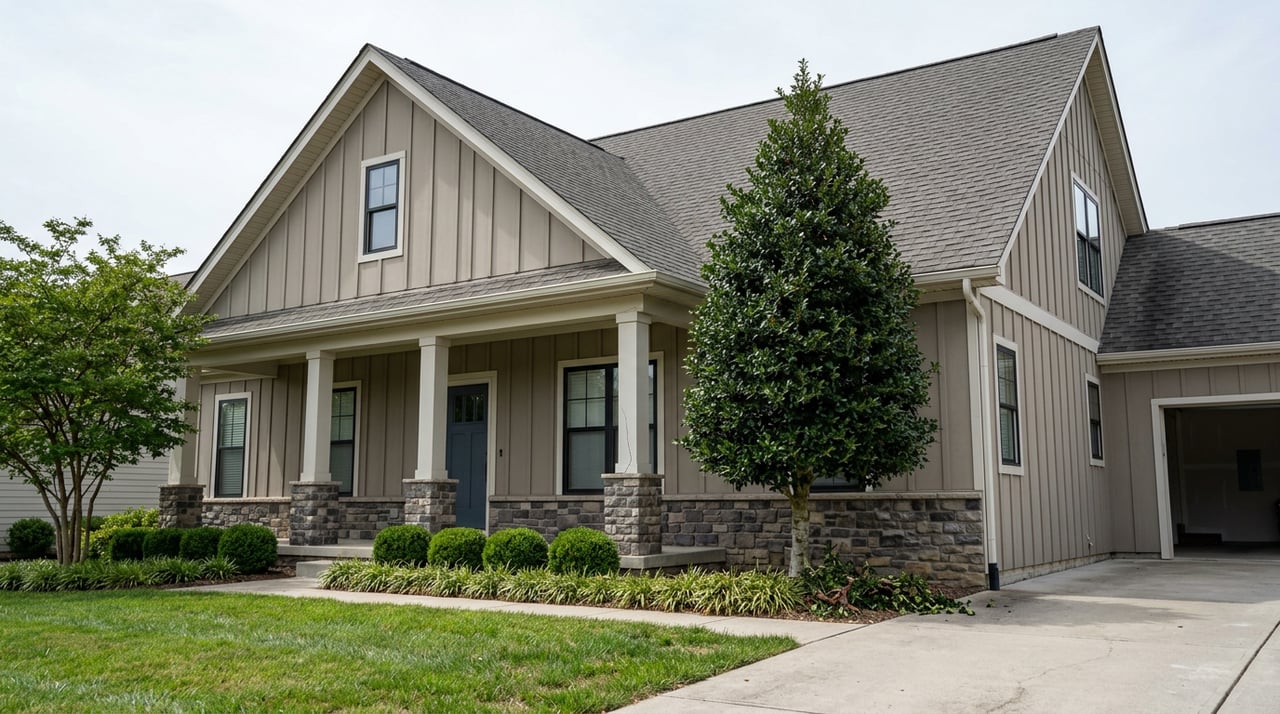
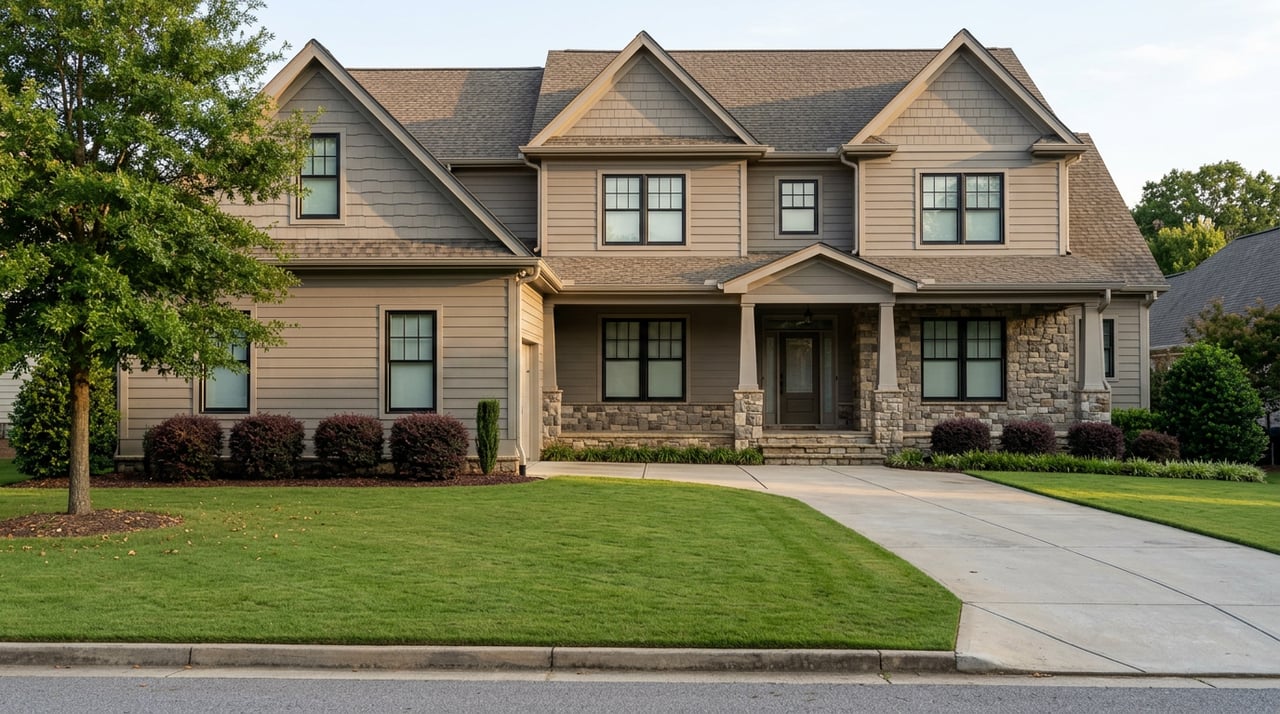
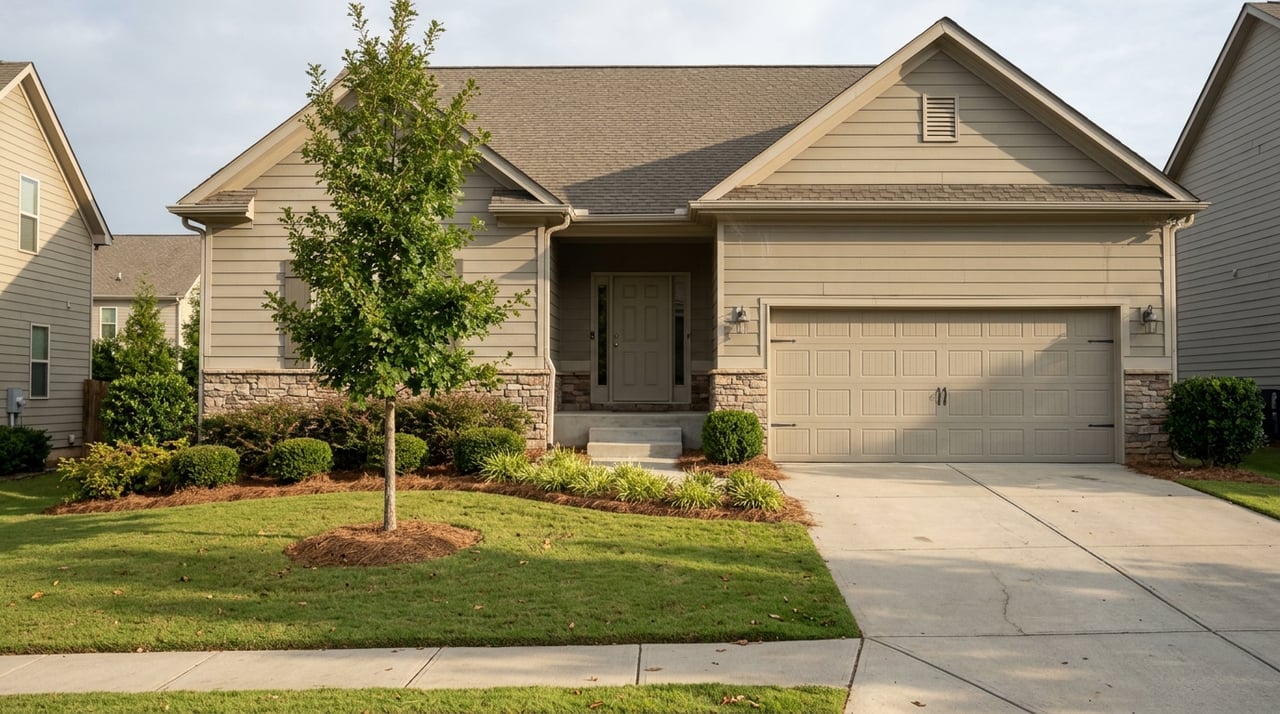
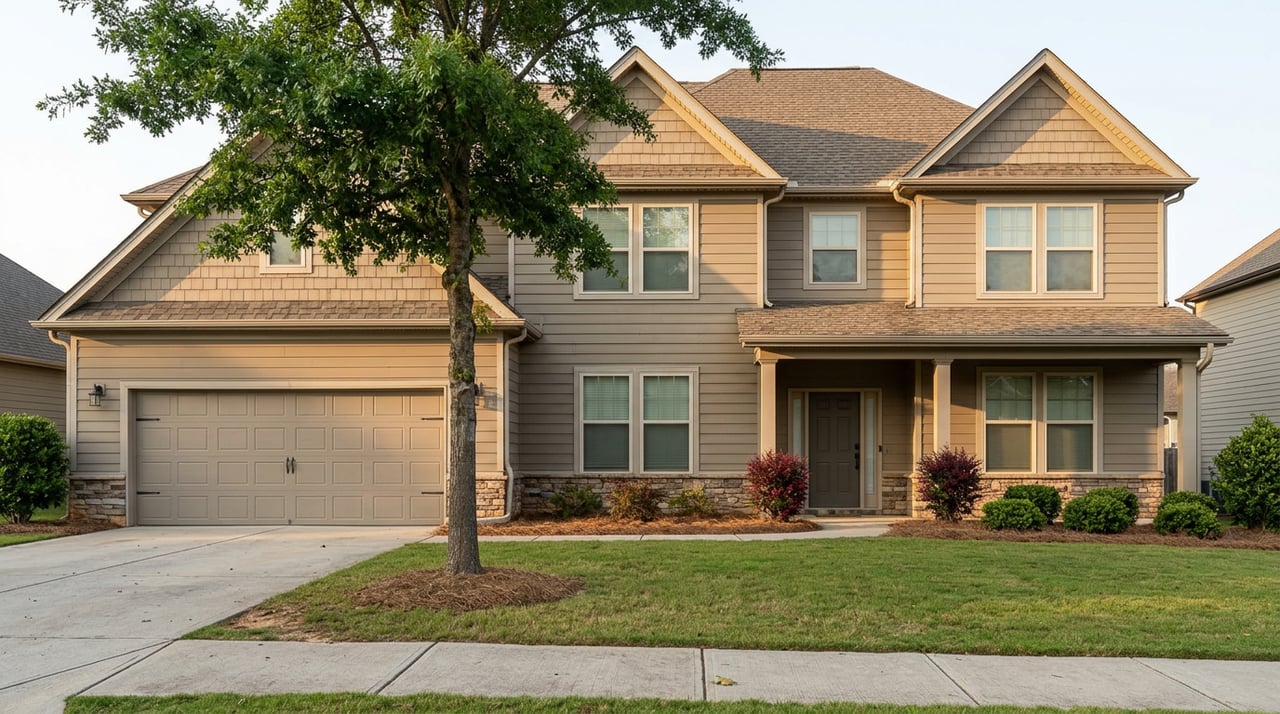
Curb appeal matters because buyers start forming opinions before they even walk through the front door. Industry research shows it is one of the most commonly recommended seller-prep priorities. In a market like Cumberland County, that outside-first impression can shape whether buyers see your home as move-in ready or as another project on their list.
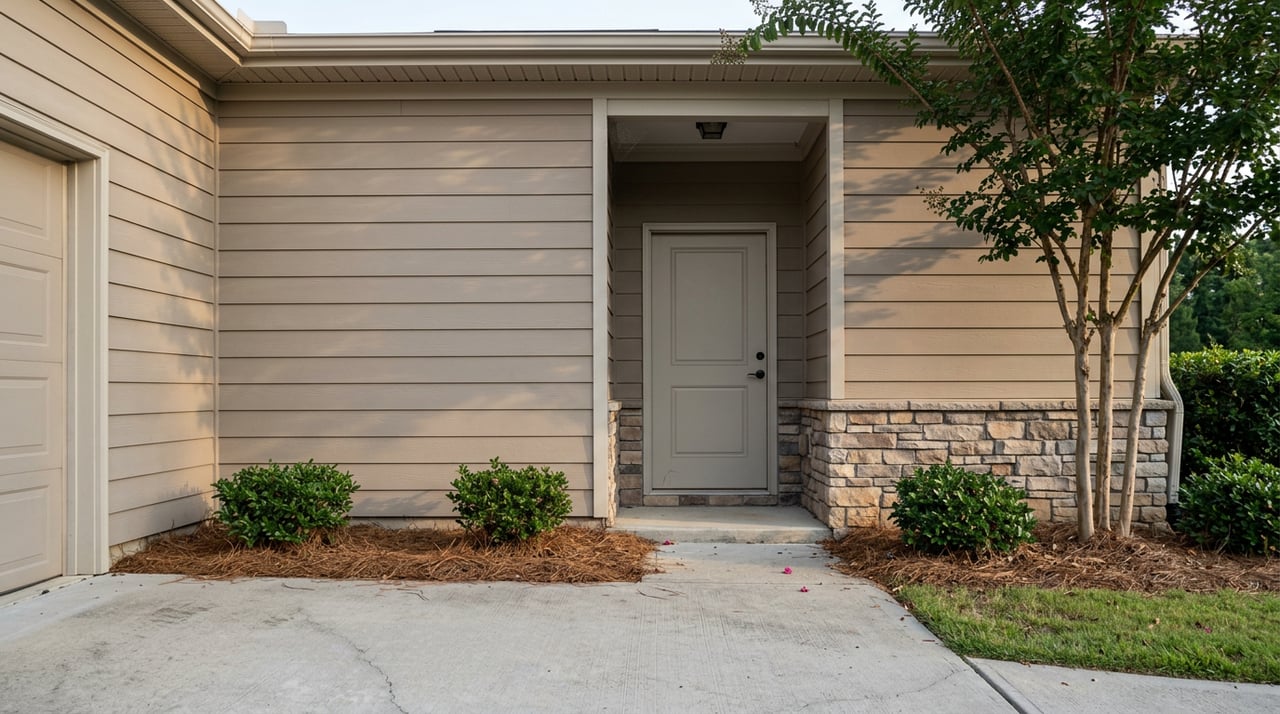
Simple exterior improvements can go a long way. Cleaning up landscaping, painting the front door, replacing worn hardware, and handling visible exterior maintenance can make your home feel more polished without a major budget.
Selling as is can be the better strategy when your home needs major work, has long-deferred maintenance, or comes with repair issues you do not want to take on before listing. It can also make sense if your biggest goal is speed, certainty, or reducing upfront costs.
In North Carolina, selling as is means you are not agreeing to make repairs or representations about the property’s condition. But it does not mean you can skip disclosures. Sellers still must provide the required disclosure statement no later than the time a buyer makes an offer, and material facts still must be disclosed.
That is an important point. As is is a pricing and repair strategy, not a way to hide known problems.
Selling as is may be the stronger option if your home has:
If that sounds like your situation, putting money into cosmetic work while leaving larger issues unresolved may not give you the result you want. In those cases, pricing the home appropriately and marketing it honestly is often the cleaner strategy.
In the Fayetteville area, many buyers may use VA-backed financing. That matters when you are deciding whether to renovate or sell as is.
A VA-approved appraiser checks minimum property requirements, and the loan amount is limited by the appraised value or purchase price, whichever is lower. If your home has visible condition problems or major defects, that may affect how smoothly a VA-backed sale moves forward.
This does not mean you cannot sell an as-is home to a VA buyer. It does mean condition issues can carry more weight, especially if they raise questions about safety, livability, or value. If you expect your likely buyer pool to include military or veteran buyers, it is smart to factor that into your decision early.
If you are unsure which direction to take, a pre-listing inspection can help bring clarity. It gives you a better picture of what needs attention before buyers start flagging issues during due diligence.
You do not have to fix everything an inspection uncovers. But it can help you separate small, worthwhile fixes from larger issues that should be priced into the sale instead. It can also reduce surprises that lead to renegotiation or canceled contracts.
A pre-listing inspection can help you answer questions like:
For many sellers, that information makes the renovate-versus-as-is decision much easier.
Before you start major work, check local permit requirements. Cumberland County requires building, zoning, and renovation permits to be applied for through its permit portal, and county guidance says additions, remodels, repairs, roofing, siding, and window or door replacement may trigger permit requirements.
This matters because permit-heavy work can add time, cost, and complication to your sale timeline. If you are already on a tight schedule, a project that sounds simple at first can turn into a bigger commitment than expected.
For most Cumberland County sellers, the real question is not whether to renovate everything or do nothing. The better question is whether the work is mostly cosmetic and high-visibility, or whether it is structural, safety-related, or permit-heavy.
A mostly updated home with cosmetic flaws is often a good candidate for limited prep before listing. A home with larger repair problems may be better sold as is with a clear pricing strategy. The goal is to match your investment to what the local market is likely to reward.
Before you decide, ask yourself:
Those questions help keep your decision grounded in local reality instead of guesswork.
In Cumberland County, limited renovations often make the most sense when your home is already functional and only needs visible improvements. Selling as is often makes more sense when the home has major deferred maintenance, system issues, permit complications, or when speed matters more than squeezing out every possible dollar.
The clearest path usually comes from three things: a targeted inspection, a contractor estimate, and a pricing conversation built around your specific neighborhood and goals. If you want a plan that balances value, timing, and certainty, HIVE Realty Group can help you map out the right next step for your sale.